What Women Should Know About Periods (But Feel Too Embarrassed to Ask)
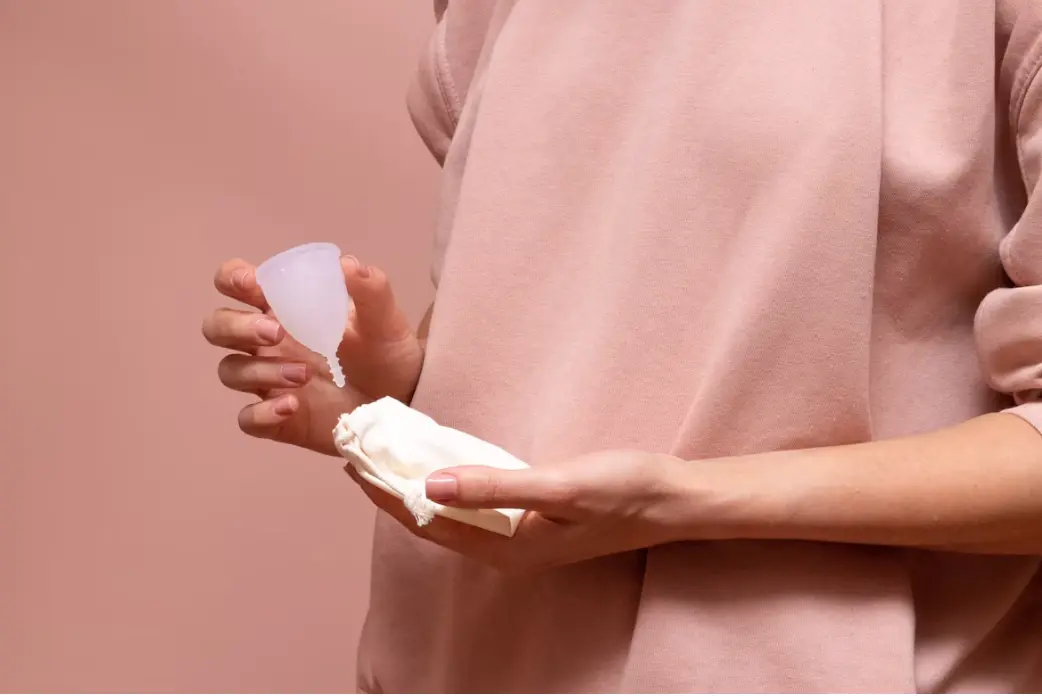
Believe it or not, even in 2026, talking openly about a natural physiological process can still make brows furrow. Much of that discomfort comes down to a simple lack of awareness.
Only two in five schools worldwide provide menstrual health education, according to a 2024 WHO-UNICEF report. It is not surprising that so many women still hesitate to ask perfectly normal questions about their periods.
Some assume this hesitation only shows up in conservative or underprivileged corners of the world. This assumption misses the bigger picture entirely. Even in societies where periods are discussed fairly openly, many women still feel uneasy around them. Per a 2025 UK survey, period stigma is widespread, with 53% of women and girls saying they have been shamed over their symptoms.
You cannot undo years of stigma overnight, but there should always be a safe space to ask what is happening in your own body. This article is not a substitute for medical advice. However, it can help you understand some common period concerns and recognize when a conversation with your doctor may be worthwhile.
How Much Period Pain is Considered Normal
This is by far the most common question women ask. More than two-thirds of women and girls worldwide experience pain during menstruation. The reason so many hesitate is simple. Nobody wants to sound dramatic about something so routine.
Cramps happen because the uterus contracts, releasing prostaglandins that help shed its lining. Mild to moderate pain during the first day or two is completely normal. However, pain that stops you from standing, working, or sleeping is not something to simply brush aside or power through.
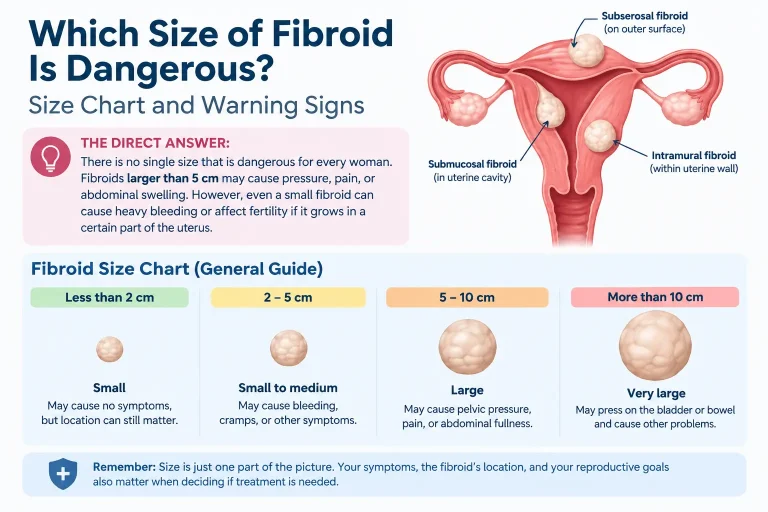
Persistent, severe cramps can sometimes point to an underlying condition such as endometriosis, adenomyosis, or uterine fibroids. Dr Laura Homewood, a gynecologic surgeon at UVA Health, told PBS NewsHour that patients are often dismissed with, “It’s just your period. Take some ibuprofen”. In reality, the problem can be “so much more than that and much more complicated.”
Often, these issues trace back to lifestyle factors. But sometimes, even healthy women face them. If cramps come with heavy spotting or fatigue, please see an OBGYN. Avoid painkillers without medical guidance.
Do Irregular or Unusual Periods Indicate Infertility
It’s not irrational to wonder about this, since irregular cycles are a common risk associated with reduced fertility. However, irregularity does not automatically mean infertility.
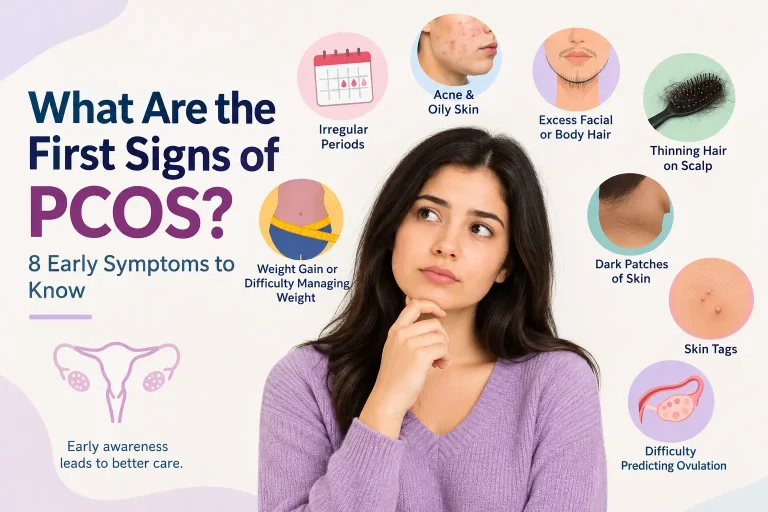
Persistent absent or unpredictable periods deserve attention, but many women, even those with Polycystic Ovary Syndrome (PCOS), have conceived naturally and successfully.
A lot depends on your underlying cause, your age, and how long the irregularity has lasted. If you are dealing with a pre-existing reproductive disorder and trying to conceive, it’s best to consult an expert early rather than waiting things out. Your first stop will obviously be an OBGYN who can run the right tests and guide you toward the next steps.
For general reproductive counseling, you can also speak with a certified nurse-midwife. These professionals support women with menstrual health, contraception, pregnancy, and other reproductive concerns. Make sure to check their education, license, and professional credentials. Most hold a master’s degree in nursing along with specialized clinical training.
Currently, demand for well-credentialed nurse midwives in the country is climbing fast, with a projected 38% employment growth rate. To meet that demand, many registered nurses with a master’s degree are now pursuing a Doctor of Nursing Practice or DNP online degree.
The online, asynchronous format empowers working professionals to advance their qualifications without stepping away from patient care, notes Wilkes University.
In general, maintaining a healthy weight and managing stress increases your chance of regular ovulation. Small, consistent habits often make more difference than people expect.
Is It Safe to Work Out, Swim, or Have Physical Intimacy During Your Period
Short answer, yes to all three, with a few things to keep in mind. Light to moderate exercise can actually ease cramps, since movement boosts blood flow and releases endorphins that work as natural pain relief. Yoga, walking, and swimming are all fine choices during your cycle.
Swimming itself poses no health risk. Tampons or menstrual cups keep things manageable in the water, and modern products are built for exactly this. Water pressure can also temporarily slow visible flow, which many women find reassuring.
Physical intimacy during periods is safe too, as long as both partners are comfortable with it. Some people experience lighter cramps afterward, thanks to the release of oxytocin. Using a towel or trying a shower can ease any hesitation around the mess.
The real deciding factor here is your comfort level, not any medical restrictions holding you back.
Why Does Period Blood Change in Color and Texture
This is one question many women silently Google at 2 a.m., half worried something is wrong with them. There is no need for that worry most of the time.
Color and texture depend mostly on how long blood stays inside before leaving the body, and how much oxygen it meets along the way. Fresh blood that flows out quickly stays bright red. Blood that lingers a little longer inside the uterus oxidizes and turns darker. Texture shifts aren’t unusual either.
Blood mixes with uterine lining, cervical mucus, and natural enzymes your body releases during shedding.
Here is what common shades usually mean.
- Bright red blood: Fresh blood with a quick flow, often seen during heavier days early in your period.
- Dark red or brown blood: Older blood that took longer to exit, common at the start or end of your cycle.
- Pink or watery blood: Blood mixed with cervical mucus, sometimes linked to lighter flow or lower estrogen levels.
- Blackish blood or small clots: Simply older blood exposed to air for longer, seen during slower flow days.
If an unusual color or texture shows up along with a strong or foul smell, that combination is worth paying attention to. Normal period blood has a mild, metallic scent because of its iron content.
A sour, fishy, or rotten smell paired with grey, greenish, or unusually thick discharge can point toward a bacterial infection or retained tampon. In rare cases, it could be a sign of an untreated sexually transmitted infection.
If you notice this pairing, do not wait it out or self-diagnose using the internet. Book an appointment with an OBGYN, who can run a simple pelvic exam or swab test to identify the cause. Most infections clear up quickly with the right treatment once caught early.
FAQs
1. How long should a normal period last?
Most periods last between three and seven days, though this can vary slightly from cycle to cycle without signaling any problem.
2. Can stress actually delay or stop your period?
Yes, stress raises cortisol levels, which can disrupt hormone signals and delay or even temporarily stop ovulation and menstruation.
3. Is it normal to skip a period occasionally?
Occasional skipped periods are common, especially with stress, travel, or weight changes, but frequent skipping deserves a doctor’s opinion.
Key Numbers Behind Period Health
| Data Point | Figure |
| Schools worldwide offering menstrual health education | 2 in 5 |
| Women and girls globally who experience period pain | Over two-thirds |
| Women and girls in the UK shamed over period symptoms | 53% |
Normal Looks Different on Everyone
There is no gold standard period, no matter what internet forums make you believe. Bodies differ, cycles differ, and comfort levels differ too. Some weeks you will want to work out, other weeks a good nap wins. Both choices are valid. If something feels persistently unusual, do not brush it off or wait for it to disappear on its own.
A quick chat with an OBGYN can clear up more confusion than months of googling ever could. Keep your circle close, ask questions freely, and treat your body with the same curiosity you would give a good friend.