Managing Symptoms for Women Living With Endometriosis

Endometriosis affects women in unprecedented ways. According to the Office on Women’s Health, it impacts more than 11% of American women between the ages of 15 and 44. This condition is especially common in women in their 30s and 40s, and it can make getting pregnant more challenging.
Living with endometriosis can feel like a daily challenge, especially when symptoms affect your comfort, energy, and routine. You may experience pain, fatigue, bloating, or emotional ups and downs that make ordinary tasks feel harder than expected.
Understanding your symptoms and learning ways to manage them can help you feel more in control of your health journey. This article focuses on strategies for women to manage the symptoms of living with endometriosis.
Track Symptoms and Understand Your Body’s Patterns
“The Conversation” states that dealing with endometriosis can be quite a challenge. Generally, treatment options revolve around either preventing the lesions from developing or surgically removing them. However, even after surgery to take out the lesions, many people still find that their symptoms linger. So, tracking your symptoms can help you better understand how endometriosis affects your body over time.
Keeping a simple record of your symptoms helps you notice patterns that may not be obvious. You may discover certain activities, foods, stress levels, or times in your cycle that influence how you feel. Having this information can also make medical appointments more productive. Your healthcare provider can better understand your experience and discuss possible management options.
Being in tune with your body is a vital part of self-care. It can make a world of difference when you’re faced with health-related decisions. For women, keeping track of symptoms can reveal specific triggers. Most importantly, understanding your body’s patterns allows you to make choices that support your comfort and well-being.
Use Personalized Pain Management Approaches
Finding a pain management approach that works for you is an important part of living with endometriosis. Since every person experiences symptoms differently, the strategies that help one person may not provide the same relief for another. You can work with your healthcare provider to explore options that match your symptoms, lifestyle, and personal needs.
Open communication with your healthcare provider can help you understand your options and make informed decisions about your care. Nurses can offer accessible support in clinics and community settings. While the nursing shortage in the U.S. is a sad reality, options like the online ABSN program are bridging the gaps.
According to Elmhurst University, people from non-nursing backgrounds can enter the industry through this flexible online learning program. More nurses in the workforce enable patients to get support when they need it. For a woman struggling with endometriosis, a nurse who can provide a personalized pain management solution can be a savior.
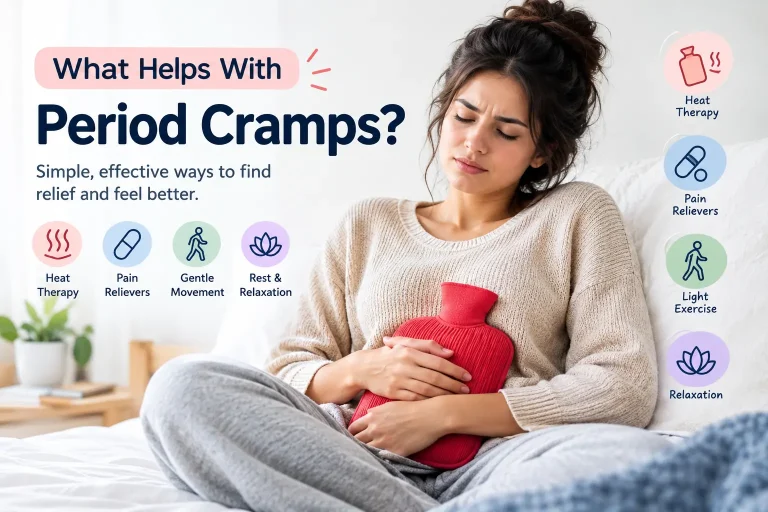
Along with medical treatments, simple self-care strategies may provide additional support when discomfort occurs. Applying heat therapy, practicing relaxation techniques, and prioritizing rest can help ease occasional pain and tension.
Maintain a Balanced Lifestyle
According to Cleveland Clinic, the symptoms of endometriosis can often leave you feeling debilitated. The right lifestyle approach can make a difference. “Endometriosis is exceptionally inflammatory. Anything that’s going to decrease that inflammation is going to be helpful,” Dr. Cara King, gynecological surgeon, says.
Taking care of your body through regular movement, enough sleep, and a nutritious diet can help improve your energy levels and daily comfort. Small, consistent habits can make a difference in how you feel and how you manage everyday challenges. Gentle activities such as walking, stretching, or yoga may help some women reduce discomfort, improve flexibility, and maintain mobility without putting extra stress on the body.
Creating healthy routines can work alongside medical treatments and provide additional support for symptom management. Listening to your body and making adjustments that fit your needs helps you develop a lifestyle approach that feels more balanced. It prepares you to handle the challenges of living with endometriosis.
Focus on Emotional Health and Stress Management
Living with endometriosis can affect more than your physical health. An NIH study highlights that endometriosis and mental health issues are closely linked. The chronic pain associated with this condition can lead to feelings of depression and significant psychological distress. This connection underscores the importance of delving deeper into the mental health implications of endometriosis. It can improve your understanding of how to manage it effectively.
Ongoing pain, fatigue, and unpredictable symptoms may influence your mood, relationships, and overall emotional well-being. Paying attention to your mental health is an important part of managing the condition. You can explore different ways to care for yourself, including mindfulness practices, relaxation techniques, or activities that help you feel calm.
Talking with a counselor or joining a support group can also provide a safe space to share your experiences with others who understand what you are going through. Having emotional support can help you feel less isolated while managing daily challenges. When you explore healthy ways to deal with stress, you can strengthen your coping skills and feel more confident in tackling ongoing symptoms.
FAQs
Can endometriosis symptoms be managed without treatment?
While some lifestyle changes, such as gentle exercise, stress management, and healthy routines, may help ease discomfort, endometriosis symptoms often need medical guidance. Working with a healthcare professional can help you explore suitable options, manage pain, monitor changes, and reduce the risk of complications associated with untreated symptoms over time.
What lifestyle changes may help with endometriosis symptoms?
Regular exercise, balanced nutrition, stress management, and tracking symptoms may support your overall well-being while living with endometriosis. You can also try gentle activities like walking, stretching, or yoga and focus on routines that help you feel comfortable and energized. These changes may complement medical care as well.
When should someone seek medical help for endometriosis symptoms?
You should consider seeking medical help if you experience severe pelvic pain, unusually heavy periods, pain during daily activities, or symptoms that continue to worsen over time. A healthcare provider can evaluate your symptoms, discuss possible causes, and recommend appropriate treatment options. All this helps you manage your condition and improve your quality of life.
Key Takeaways
| Category | Key Data / Insight | Source |
| Prevalence | Endometriosis affects more than 11% of U.S. women aged 15–44 and is most common in women in their 30s and 40s. | Office on Women’s Health |
| Treatment outcomes | Symptoms may persist even after surgery to remove endometriosis lesions, making long-term symptom management important. | The Conversation |
| Inflammation | Endometriosis is highly inflammatory, so lifestyle measures that reduce inflammation may help manage symptoms. | Cleveland Clinic (Dr. Cara King) |
| Mental health | Chronic pain from endometriosis is closely linked to depression and psychological distress, highlighting the importance of emotional well-being. | National Institutes of Health (NIH) |
Living with endometriosis can bring unexpected challenges. However, understanding your needs and making informed choices can help you move forward with confidence. Every person’s experience is different, and finding what works best for you may take time and patience. Staying connected with your healthcare team and caring for yourself in meaningful ways create a supportive path. It helps you feel more comfortable, empowered, and prepared for the future.