How Heavy Menstrual Bleeding Can Impact Brain Health

When you think about heavy periods, brain health probably isn’t the first thing that comes to mind. We usually focus on physical exhaustion, severe cramps, or the daily disruption. But losing significant amounts of blood month after month can directly impact how your brain functions.
Data from the NIH shows that about 10% of women suffer from abnormally heavy periods. Additionally, bleeding that stretches past 5 to 7 days is classified as prolonged. Doctors refer to heavy or prolonged bleeding as menorrhagia, and many women deal with both at the same time.
When this level of ongoing blood loss drains your body’s iron stores, your brain stops getting the oxygen it needs to run smoothly. The result isn’t just physical tiredness, but cognitive issues like brain fog, trouble focusing, and sudden mood swings.
Understanding this connection is the first step toward protecting both your body and your mental clarity.
Iron Deficiency, Anemia, and Brain Fog
One of the most common ways heavy menstrual bleeding affects the brain is through iron deficiency, which can eventually lead to iron-deficiency anemia. Iron does much more than help your body make red blood cells. According to Women’s Health, it plays a key role in supplying oxygen to cells, producing energy, and supporting brain function.
Neurologist Dr Taylor Hess explains that iron helps the brain produce energy, helps brain cells communicate, and protects nerve fibers for efficient signaling. When iron levels drop, many women experience brain fog, poor concentration, forgetfulness, and mental fatigue.
Unfortunately, iron deficiency often goes unnoticed. “There’s no standard recommendation for testing iron levels in women of reproductive age, except during pregnancy,” says Dr Alexis Federman of Henry Ford Health. This can leave many cases of iron deficiency undiagnosed, despite its potential to cause both physical and cognitive effects.
With appropriate treatment, including addressing the underlying cause of heavy bleeding and restoring iron levels, many women notice an improvement in mental clarity and energy.
Sleep, Mood, and Mental Clarity
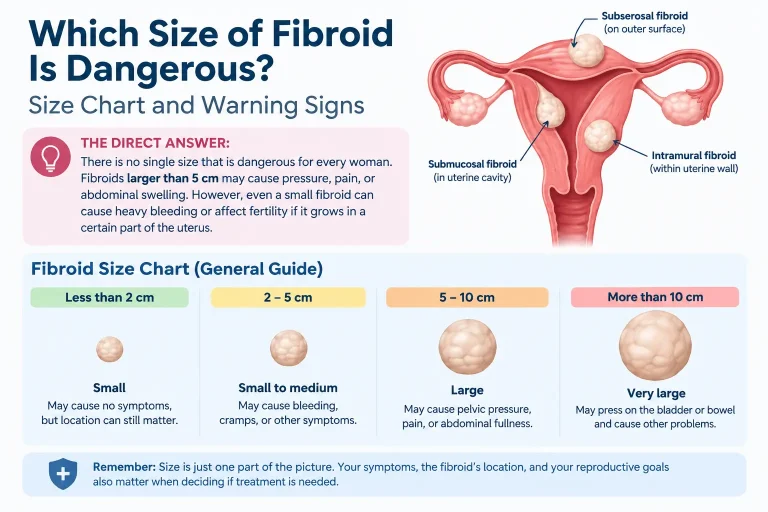
Heavy menstrual bleeding is often linked to underlying conditions such as fibroids, adenomyosis, or hormonal changes during perimenopause. These conditions can do more than increase blood loss.
They may also disrupt sleep through painful cramps, night sweats, or the need to change menstrual products during the night. Over time, poor sleep, hormonal fluctuations, and physical exhaustion can take a toll on mood, focus, and mental clarity.
Research also points to a connection between heavy menstrual bleeding and mental health. A ScienceDirect study found that women with heavy menstrual bleeding had a 15% higher risk of depression than those without it.
The researchers concluded that addressing heavy menstrual bleeding should be an important part of comprehensive reproductive healthcare to improve overall well-being.
Severe Anemia and Stroke Risk
Although uncommon, severe and untreated iron-deficiency anemia caused by prolonged heavy menstrual bleeding has been linked to an increased risk of stroke. This may occur when the body produces excess platelets in response to low iron levels, increasing the likelihood of abnormal blood clotting. While this outcome is rare, it highlights why persistent heavy bleeding should never be ignored.
A stroke can affect areas of the brain responsible for speech, language, and swallowing, making everyday communication difficult. Recovery often requires specialized rehabilitation from speech-language pathologists (SLPs). Cleveland State University notes that these specialists treat communication and swallowing issues across all age groups in diverse clinical settings.
As the demand for neurological rehabilitation grows, many aspiring clinicians are also choosing online master’s in speech-language pathology programs. These programs offer the flexibility to develop the specialized skills needed to support people recovering from stroke and other neurological conditions.
Treatment Options and Signs to Watch For
The good news is that heavy menstrual bleeding is highly treatable once the underlying cause is identified. Options include iron supplements for anemia, hormonal treatments like birth control pills or IUDs, and non-hormonal medications to reduce bleeding.
For structural causes such as fibroids or polyps, minimally invasive procedures or surgery may be recommended.
Lifestyle choices can also support overall health during your period. According to Cleveland Clinic, foods rich in iron, antioxidants, and fiber can help maintain energy levels and reduce inflammation. Dr McClure notes that these nutrient-rich foods can support the body during menstruation and are beneficial throughout the month.
Alongside treatment, it helps to know which signs signal it’s time to see a doctor rather than wait it out:
- Soaking through a pad or tampon every hour for several consecutive hours
- Passing large clots or bleeding for more than seven days
- Persistent fatigue, shortness of breath, dizziness, or pale skin
- Sudden neurological symptoms, one-sided weakness, slurred speech, confusion, or vision changes, which need emergency care right away
Frequently Asked Questions
Can heavy menstrual bleeding cause brain fog?
Yes. Heavy menstrual bleeding can deplete iron stores and contribute to iron deficiency anemia, which may affect oxygen delivery to the brain. Low iron levels can result in symptoms such as brain fog, difficulty concentrating, forgetfulness, and mental fatigue.
How does heavy menstrual bleeding affect mental health?
Heavy menstrual bleeding can affect mental health by contributing to fatigue, sleep disruption, hormonal changes, and iron deficiency. Research has also found an association between heavy menstrual bleeding and an increased risk of depression symptoms.
When should I see a doctor about heavy menstrual bleeding?
Consult a doctor if you regularly bleed through a pad or tampon every hour, have periods lasting over seven days, or pass large blood clots. Persistent symptoms such as dizziness, shortness of breath, or ongoing fatigue should also be discussed with a healthcare provider.
Key Statistics and Insights on Heavy Menstrual Bleeding and Brain Health
| Prevalence of heavy periods | About 10% of women experience abnormally heavy periods. |
| Duration of prolonged menstrual bleeding | Bleeding that lasts longer than 5 to 7 days is considered prolonged menstrual bleeding. |
| Risk of depression | Women with heavy menstrual bleeding had a 15% higher risk of depression compared with those without heavy menstrual bleeding. |
| Iron deficiency concerns | Iron deficiency often goes undiagnosed in women of reproductive age, despite its connection to physical and cognitive symptoms. |
| Impact of iron on brain function | Iron supports oxygen delivery, energy production, nerve signaling, and communication between brain cells. |
Heavy menstrual bleeding is often dismissed as a normal part of having periods, but it can have effects that extend beyond reproductive health. From iron deficiency and brain fog to poor sleep, mood changes, and, in rare cases, more serious complications, excessive bleeding can affect overall well-being.
Recognizing heavy menstrual bleeding as a health concern rather than a minor inconvenience is an important step toward seeking timely care. With proper evaluation and treatment, women can address the underlying cause, protect their long-term health, and regain better energy, focus, and quality of life.