How to Manage Bleeding During the First Trimester
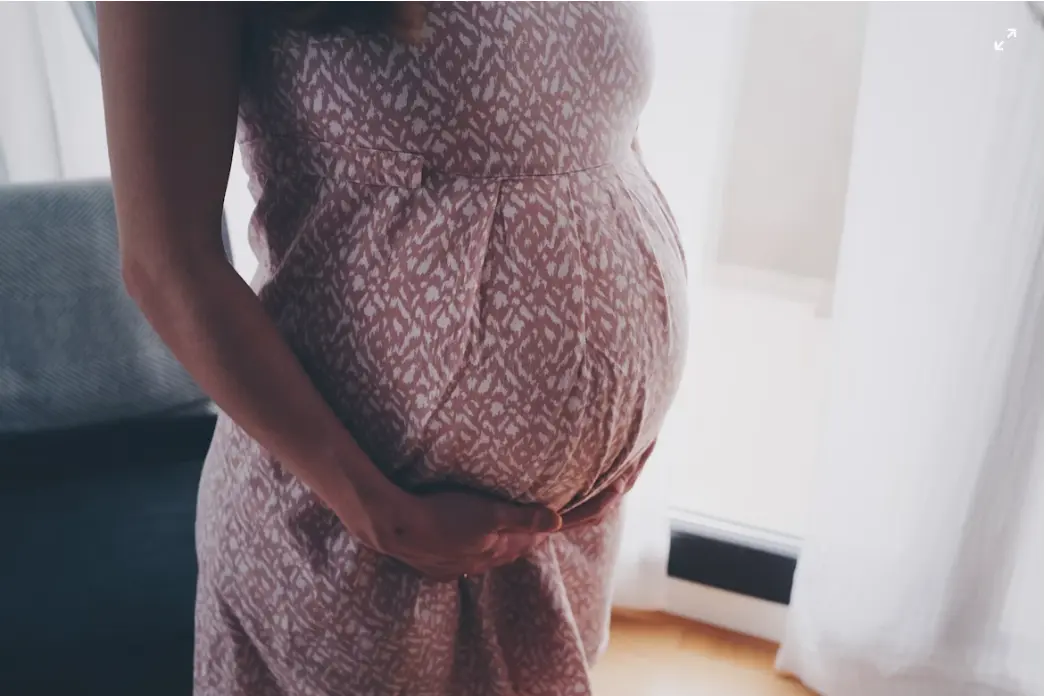
Bleeding during the first trimester can be a frightening experience. According to research conducted by NIH, vaginal bleeding is something that many women encounter during pregnancy. In fact, studies show that about 15–25% of pregnancies report some form of vaginal bleeding in the first trimester. While it’s not always a cause for alarm, bleeding during pregnancy can affect both the mother’s and the baby’s health.
Many women experience light spotting for various reasons, and in some cases, it may not affect the pregnancy. At the same time, you should never ignore bleeding during pregnancy, as every situation can be different. Mild spotting may only require monitoring, but some types of bleeding may require medical evaluation to understand the cause and provide proper care.
Learning about possible reasons for bleeding and knowing when to seek help prepares you during this important stage of your pregnancy journey. This article discusses effective ways to manage bleeding that may occur during the first trimester.
Understand the Possible Causes
Understanding the possible causes of bleeding during the first trimester can help you feel more informed and less anxious about what you are experiencing. According to Better Health Channel, figuring out why a woman might be bleeding during pregnancy can be tricky. There are several potential reasons. It may include miscarriage, ectopic pregnancy, implantation bleeding, placenta previa, or placental abruption.
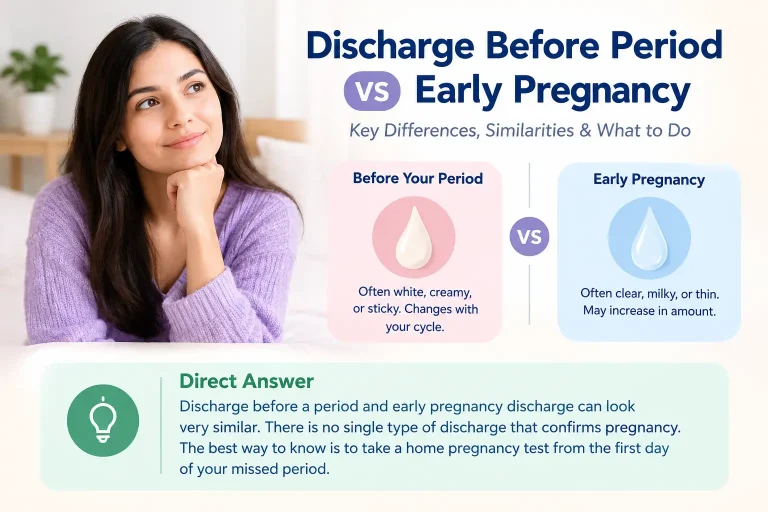
Early pregnancy bleeding may also happen due to common reasons such as hormonal changes, increased cervical sensitivity, or minor irritation. In many cases, these causes may not be harmful, but it is important to pay attention to your symptoms. Bleeding can sometimes be connected to conditions that require medical attention, including miscarriage or ectopic pregnancy.
You should avoid trying to diagnose the cause on your own, as every pregnancy is different. If you notice bleeding, speaking with your healthcare provider can help you receive the right evaluation. Their guidance and care can help protect your health and support your pregnancy journey.
Know When to Seek Medical Support
An important part of taking care of yourself and your pregnancy is knowing when to seek medical support during bleeding in the first trimester. Light spotting can sometimes happen without serious concerns. However, you should seek help if you experience heavy bleeding, severe abdominal pain, or any symptoms that make you feel worried.
Healthcare professionals play an important role in supporting women during early pregnancy. Family nurse practitioners, in particular, can provide guidance and help you understand available care options. They are far more accessible than doctors, so you can reach out to them during emergencies. Many registered nurses choose this specialization to step into advanced roles. They often do it through advanced education, such as an online FNP program.
According to Walsh University, the best part is that they can complete it while doing their job. The support you get from them can make a difference. They can assess your symptoms, determine the possible cause of bleeding, and recommend the appropriate care.
Practice Caution During Early Pregnancy
Practicing caution during early pregnancy can help you care for your body while you manage bleeding during the first trimester. You should prioritize rest and avoid activities that increase discomfort or worsen your symptoms until you receive advice from your healthcare provider.
Medical News Today explains that most pregnant women can keep up their daily lives with a handful of simple adjustments. It is usually best to avoid alcohol, smoking, and some foods and activities that might be harmful to the growing fetus. Paying attention to your body and allowing yourself time to recover can support your overall well-being during this important stage.
You should also focus on staying hydrated and following the recommendations provided during your prenatal care visits. Continue taking your prescribed prenatal vitamins and attend all scheduled appointments to monitor your health and your baby’s development. When you adopt healthy habits, you find yourself feeling more equipped to handle the changes that arise during early pregnancy.
Manage Emotional Stress and Seek Support
One key aspect of self-care during pregnancy is handling emotional stress, particularly when facing first-trimester bleeding. A study published by ScienceDirect highlights that stress during pregnancy can take a toll on a mother’s health, leading to poorer pregnancy outcomes. It may include a greater risk of preterm birth and low birth weight, as well as affecting the child’s health down the line.
Experiencing bleeding can bring feelings of anxiety, fear, and uncertainty, especially when you are concerned about your baby’s health. “My patients are understandably nervous about the term ‘high-risk,’ and they want my reassurance that their pregnancy will be OK,” says Dr. Julianne Lauring, maternal-fetal medicine specialist. This is a reality for all expectant mothers. It is essential to validate these emotions and permit yourself to seek comfort and support when you feel it’s necessary.
You should maintain open communication with your healthcare provider, partner, and trusted support network. Sharing your concerns and asking questions can help you feel more informed and supported throughout this experience. Moreover, taking care of your mental and emotional needs can help you feel stronger and more prepared as you navigate the challenges of this important stage.
FAQs
Is bleeding during the first trimester always a sign of miscarriage?
No, bleeding during the first trimester is not always a sign of miscarriage. Light spotting can happen due to reasons such as implantation, hormonal changes, or cervical sensitivity. However, if you experience any bleeding during your pregnancy, be sure to inform your healthcare provider right away. They can assess the situation and provide you with the appropriate guidance.
When should I contact a doctor about first-trimester bleeding?
You should contact a doctor if first-trimester bleeding is heavy, continues for a long time, or occurs with severe cramps, fever, fainting, or unusual pain. Even mild spotting should be discussed during prenatal visits. Your healthcare provider can help identify the cause and guide you on the appropriate next steps.
Can I continue normal activities after experiencing early pregnancy bleeding?
You can continue some normal activities after early pregnancy bleeding, but it depends on the cause and severity of your symptoms. Follow your healthcare provider’s recommendations about exercise, rest, and daily routines after evaluation. Avoid activities that increase discomfort or bleeding until you receive proper medical guidance and support.
Key Takeaways
| First-Trimester Bleeding: Key Facts | Data |
| Pregnancies with first-trimester vaginal bleeding | 15–25% |
| Common non-serious causes | Implantation bleeding, hormonal changes, cervical sensitivity |
| Serious conditions requiring prompt evaluation | Miscarriage, ectopic pregnancy, placental complications |
| Warning signs to seek immediate medical care | Heavy bleeding, severe abdominal pain, fainting, fever, or persistent bleeding |
| Recommended response | Contact your healthcare provider promptly for evaluation and guidance |
Managing bleeding during the first trimester can feel challenging, but having the right information can help you approach the situation with greater confidence. Every pregnancy experience is different, and taking thoughtful steps can make the journey feel more manageable.
Remember to stay connected with your care team, listen to your body, and give yourself the support you need. With proper attention and guidance, you can move forward with greater reassurance during this important time.