When Heavy Period Bleeding Becomes a Medical Emergency

Menstrual flow varies widely, but heavy bleeding should never be ignored. A recent BBC article cites studies showing that 10-30% of reproductive-aged women around the world experience heavy menstrual bleeding. The number could be much higher, nearly 50%, considering that many women fail to report the concern due to a lack of understanding.
Clearly, the health impact of heavy periods is underestimated, which is a reason to worry. While some individuals naturally experience heavier periods, unusually intense or prolonged bleeding can signal an underlying medical issue that requires prompt attention.
Understanding when a period crosses the line from normal to dangerous empowers individuals to act quickly. This article explains key emergency symptoms, potential causes, and the immediate steps to take to protect your health.
Know the Red Flags That Require Immediate Attention
Heavy menstrual bleeding becomes a medical emergency when it interferes with normal functioning or poses a risk to overall health. The Cleveland Clinic notes that menorrhagia refers to losing more blood than is typical during menstruation. Bleeding beyond seven days and soaking through one or more pads or tampons every hour for two or more consecutive hours are clear warning signs.
Passing large blood clots is another serious indicator. Dizziness, fainting, weakness, or shortness of breath also indicate significant blood loss. You may also notice a rapid heartbeat, pale skin, or confusion, which can signal that your body is struggling to maintain adequate circulation.
Severe pelvic pain, fever, or heavy bleeding during a suspected or confirmed pregnancy are especially urgent red flags. In any of these cases, immediate medical care is essential rather than waiting for symptoms to improve on their own.
What To Do If Heavy Bleeding Becomes an Emergency
If you suspect that menstrual bleeding has become severe, the first step is to stay calm while assessing the situation. Panic will only worsen your condition. Track how quickly you are soaking through pads or tampons and note any additional symptoms such as dizziness or pain. This information will be helpful for medical providers.
Getting a gynecologist’s appointment can be challenging, but you can easily get primary care by seeing a nurse practitioner. Many nurses upskill through an online acute care NP program to gain specialized credentials for this role.
According to Rockhurst University, the program equips professionals to diagnose and manage acute health conditions. Since the course is available online, it can be completed without pausing one’s career. When heading to a hospital or clinic, bring important information such as a list of medications, known medical conditions, and details about your menstrual cycle.
Avoid strenuous activity and lie down to reduce the risk of injury from fainting. Staying hydrated can help support circulation, but do not delay medical care to manage symptoms at home.
How Healthcare Providers Diagnose and Treat Heavy Bleeding
According to the Royal Women’s Hospital, diagnosing the cause of heavy periods is often challenging. Your gynaecologist will generally start by asking you questions about your health history. They examine your vagina and cervix to assess them for visible abnormalities. They also prescribe imaging tests such as a pelvic ultrasound that may be used to identify fibroids, polyps, or other structural issues.
Blood tests are commonly ordered to assess anemia, evaluate clotting function, and rule out pregnancy. Treatment is recommended based on the underlying cause and the severity of blood loss. Options may include medications to control bleeding, hormone therapy to regulate cycles, or intravenous fluids to stabilize the patient.
In more severe cases, a blood transfusion may be necessary to make up for the blood loss. Certain procedures or surgical interventions may also be recommended to stop bleeding or treat underlying conditions effectively.
Lowering Your Risk and Preparing for Emergencies
Prevention and preparedness play an important role in managing menstrual health. A SELF Magazine article discusses a few common behaviors gynecologists want women to avoid, and ignoring heavy periods is one of them. “Any kind of bleeding that takes over your life or occurs at unexpected times shouldn’t be accepted as normal,” notes Dr. Christine Greves, board-certified OB-GYN.
Tracking your menstrual cycle using an app or journal can help you recognize changes in bleeding patterns early. If you experience an episode of heavy bleeding, follow up with your healthcare provider even after symptoms improve. Ongoing evaluation can help diagnose and manage conditions such as fibroids or hormonal imbalances.
You should never ignore recurring heavy periods, as they often indicate a treatable medical issue. Understanding your personal warning signs and having a clear plan for when to seek urgent care can make a significant difference.
FAQs
How much menstrual bleeding is considered an emergency?
Menstrual bleeding is considered an emergency when you soak through one or more pads or tampons every hour for two consecutive hours, pass large clots repeatedly, or feel symptoms like dizziness, fainting, weakness, or shortness of breath, indicating significant blood loss requiring immediate medical evaluation and urgent care.
Can heavy menstrual bleeding cause dire health problems?
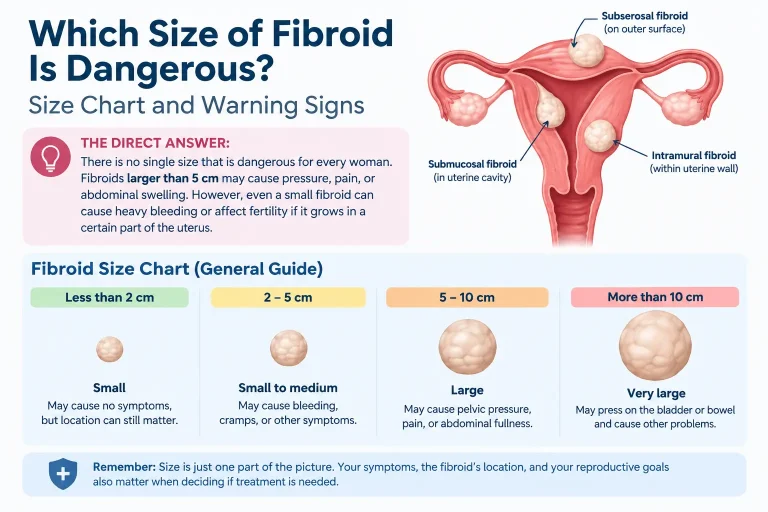
Excessive blood loss may cause anemia, resulting in fatigue and weakness, and in severe cases, dangerously low blood pressure. It can also signal underlying conditions such as fibroids, bleeding disorders, hormonal imbalances, or pregnancy-related complications requiring prompt treatment.
Should I go to an ER or wait for my gynecologist when I have heavy bleeding?
You should go to the emergency room immediately if heavy bleeding is accompanied by fainting, severe pelvic pain, fever, signs of shock, or possible pregnancy complications. If symptoms are less severe but persistent, it is still important to seek prompt evaluation from a gynecologist to identify causes and prevent complications.
Key Takeaways
| Key Statistic/Indicator | Data |
| Women experiencing heavy menstrual bleeding worldwide | 10–30% of reproductive-aged women |
| Estimated prevalence including unreported cases | Up to 50% |
| Emergency warning sign | Soaking 1 or more pads/tampons per hour for 2+ consecutive hours |
| Normal menstrual duration | Up to 7 days |
| Large blood clot warning | Clots larger than a quarter repeatedly |
| Possible severe consequence | Anemia, low blood pressure, need for blood transfusion |
Heavy menstrual bleeding is more than just an inconvenience. Rather, it can be a sign of a serious medical condition that requires immediate attention. Recognizing the difference between a normal heavy period and a potential emergency is essential for protecting your health. With timely medical care, most underlying causes can be diagnosed and effectively treated.