How Pregnancy Loss Can Affect Mental Health and Where to Find Support
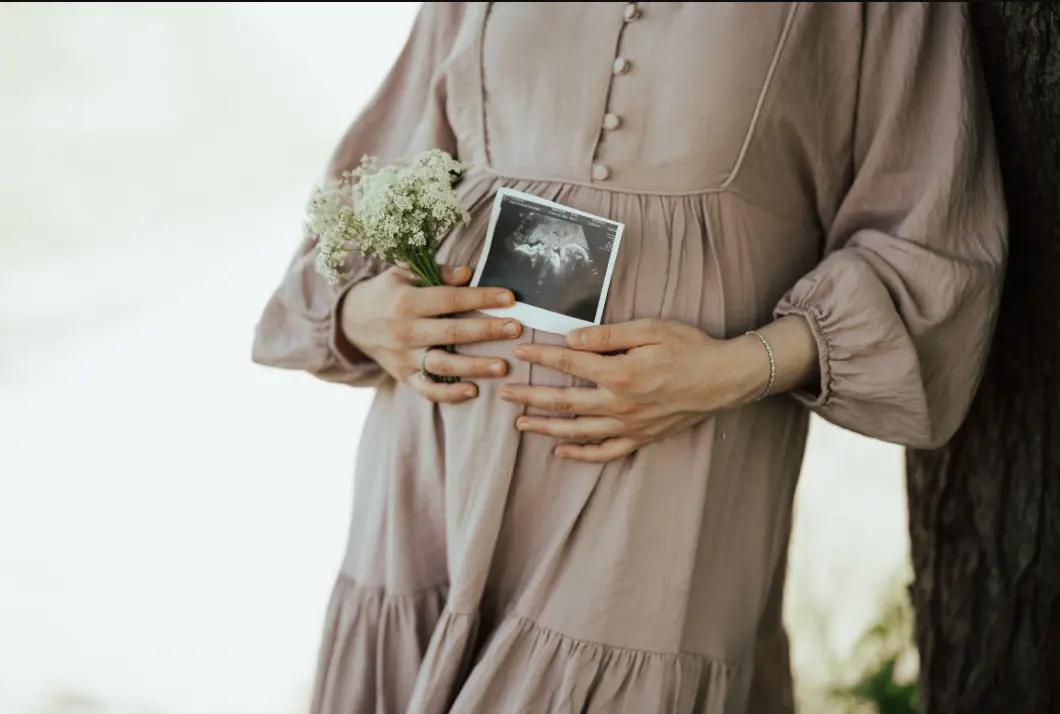
Pregnancy loss is a deeply personal experience that can leave emotional wounds long after physical recovery. Alongside grief, many individuals may face anxiety, depression, guilt, or feelings of isolation that affect daily life and relationships. Because every journey is different, healing often takes time and requires understanding rather than judgment.
Open conversations help reduce stigma surrounding pregnancy loss. Compassionate care encourages individuals to seek the support they need. Counseling, support groups, and trusted healthcare professionals can provide guidance, comfort, and hope throughout the emotional recovery journey.
In this article, we will explore pregnancy loss’s mental health impact, common emotional challenges, and supportive resources that encourage healing and hope.
Why Pregnancy Loss Can Trigger Intense Emotional Reactions
Pregnancy loss often brings overwhelming grief because it ends hopes, plans, and emotional bonds. Many people experience sadness, guilt, anger, or anxiety while processing the loss.
Hormonal changes and personal circumstances can intensify these emotions. Understanding these reactions is an important step toward healing and emotional recovery.
Pregnancy loss can trigger intense emotional reactions that extend beyond grief. According to the National Institutes of Health, miscarriage-related depression affects up to 55% of women, while anxiety and stress impact 28%–45%. Up to 39% of women develop Post-traumatic stress disorder (PTSD) within three months, emphasizing the need for early emotional care and support.
When Emotional Symptoms May Need More Than Time
Pregnancy loss naturally brings deep grief and emotional pain for many. However, persistent distress may indicate depression, anxiety, PTSD, or prolonged grief. Warning signs include hopelessness, panic attacks, sleep disruption, intrusive memories, and social withdrawal.
These symptoms should not be ignored. Early intervention can strengthen emotional recovery. A multidisciplinary team, including obstetric providers, psychologists, and licensed clinical social workers, can provide comprehensive support.
The need for skilled specialists continues to grow steadily. In fact, many aspiring workers choose flexible graduate programs to strengthen specialized counseling skills. For example, for BSW graduates, an advanced standing MSW online program builds compassionate, practical skills to guide families through pregnancy loss and other challenges.
Saint Leo University states that online MSW programs offer flexible, mission-driven education. Students develop the skills to provide compassionate guidance, emotional support, and resources for those coping with emotional life challenges.
Recognizing when grief requires professional support is an important step toward recovery. Compassionate, multidisciplinary care can help individuals and families navigate pregnancy loss while promoting long-term emotional well-being.
Common Emotional Challenges in the Weeks and Months After Pregnancy Loss
Pregnancy loss can bring a wide range of emotions that may continue long after the physical recovery period ends. Many individuals experience grief, sadness, guilt, anger, anxiety, or feelings of isolation as they process the loss.
Hormonal changes and pregnancy reminders may create unexpected emotional shifts, making the healing process feel challenging and unpredictable. Some individuals may experience worries, anxiety, or uncertainty when thinking about trying for future pregnancies.
Support from loved ones, counseling, and support groups can help manage these challenges. Understanding that grief has no fixed timeline allows individuals to seek care and healing at their own pace while rebuilding emotional strength.
Choosing the Most Suitable Support for Your Healing Journey
The best support varies according to your unique needs, feelings, and circumstances. Some people benefit from individual counseling, while others find comfort through support groups, trusted family members, or close friends. Professional support offers practical coping skills and lasting emotional comfort during recovery. Choosing the support that feels right can make the healing journey more manageable.
In an article for Psychology Today, clinical psychologist Giulia Suro, Ph.D., explains that support alone may not be enough for trauma recovery. She emphasizes the value of evidence-based therapies with clearly defined treatment goals. According to Suro, these structured approaches generally produce more reliable outcomes than unstructured or trend-driven methods.
Supporting Your Mental Health While Your Body Recovers
Healing after pregnancy loss involves caring for both your emotional and physical well-being. Rest, proper nutrition, gentle movement, and enough sleep can support recovery while reducing stress. Allow yourself time to process difficult emotions without pressure. Prioritizing self-care and seeking support can strengthen both mental health and physical healing.
Supporting your mental health is just as important as allowing your body to heal after pregnancy loss. The American Pregnancy Association notes physical recovery after pregnancy loss may take weeks or longer. Bleeding, cramping, and hormonal changes can continue during healing. Giving yourself patience, rest, and emotional support can strengthen both physical healing and overall well-being.
Planning for Future Pregnancies Without Ignoring Emotional Healing
Planning for another pregnancy can bring hope along with fear and uncertainty. Emotional healing deserves attention before making future decisions.
Talking with healthcare providers and trusted loved ones can help you feel more prepared and supported. Taking time to heal emotionally can build confidence for the journey ahead.
Planning for future pregnancies requires balancing hope with emotional readiness after pregnancy loss. The Government of Australia emphasizes that some couples may try again quickly, while others need time to process grief before another pregnancy. For most women, miscarriage is a chance event, and fertility usually returns within 6 to 8 weeks as the body recovers.
Frequently Asked Questions
Can pregnancy loss trigger post-traumatic stress disorder (PTSD)?
Yes, pregnancy loss can lead to PTSD symptoms in some individuals, including intrusive memories, anxiety, and emotional distress. The intensity of grief may depend on personal experiences and circumstances. Professional mental health support can help manage trauma and support recovery.
Can social media make grieving after pregnancy loss more difficult?
Social media can make grief harder by exposing individuals to pregnancy announcements, baby updates, or insensitive comments. However, supportive online communities may provide comfort and connection. Setting boundaries, muting triggers, and taking breaks can help protect emotional well-being during healing.
When should I consider changing therapists if I don’t feel supported?
Consider changing therapists if you feel unheard, judged, or unable to build trust over time. A supportive therapist should understand your grief and provide helpful guidance. Seeking a different professional may create a safer space for healing and emotional recovery.
Facts and Figures on Pregnancy Loss and Mental Health
| Miscarriage-related depression | Affects up to 55% of women after pregnancy loss. |
| Anxiety and stress after pregnancy loss | Affect 28%–45% of women. |
| PTSD following pregnancy loss | Up to 39% of women develop PTSD within three months of pregnancy loss. |
| Return of fertility | Fertility usually returns within 6–8 weeks after miscarriage as the body recovers. |
| Physical recovery | Physical recovery may take several weeks or longer, depending on the individual. |
| Emotional recovery | Healing has no fixed timeline and varies according to individual circumstances and support. |
Moving Forward With Healing, Hope, and Support
Pregnancy loss can bring deep emotional challenges, but healing is possible with the right care and support. Recognizing feelings of grief, anxiety, or uncertainty is an important step toward recovery. Support from family, friends, counselors, or support groups can bring comfort and strength throughout the healing journey after pregnancy loss.
Every person’s healing process is unique and deserves patience and compassion. Prioritizing emotional well-being alongside physical recovery helps individuals heal with renewed strength. It also restores hope and confidence for the future.