How to Manage Scan Anxiety in Pregnancy After Losing a Previous One
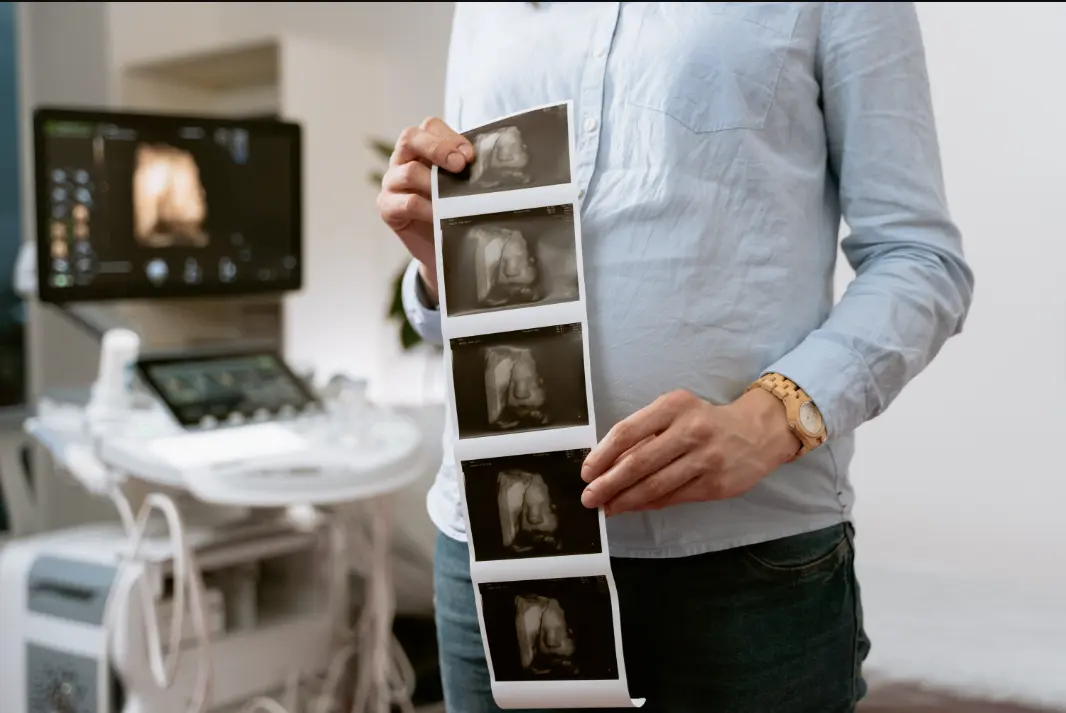
If you are navigating a pregnancy after experiencing a loss, congratulations on this milestone. Holding space for hope while guarding your heart is one of the most courageous, emotionally exhausting balancing acts you can perform.
When you have experienced a miscarriage, stillbirth, or ectopic pregnancy, future prenatal care rarely feels routine. Instead, every milestone comes with a wave of mixed emotions. Few events trigger these feelings like ultrasound appointments.
You’re not alone. A 2025 Psychological Medicine review shows antenatal anxiety affects 10% to 30% of pregnant women globally, with roughly 9% experiencing both anxiety and depression.
If the thought of sitting in a dimly lit waiting room makes your heart race or palms sweat, you are experiencing what many parents call “scan anxiety”. It is a deep somatic response to trauma.
As psychologist and perinatal loss expert Dr. Jessica Zucker noted on the emotional reality of moving forward, “The anxiety in pregnancy after loss is not irrational. You have evidence that pregnancy can end in loss, and your nervous system is simply responding to that evidence”.
Here are a few tips that can help you manage scan anxiety in pregnancy after loss.
#1 Plan Your Scan Day for Maximum Comfort
You cannot control what the ultrasound screen will show. However, you can control how you structure your day around that appointment. Plan your scan day for maximum comfort. It keeps you grounded when your thoughts start to spiral.
Schedule your visit first thing in the morning so you don’t spend the day waiting. If mornings are booked, aim for the first afternoon slot to keep anxiety and long waits at bay.
Do not go to your scan alone. Bring a partner, trusted family member, or close friend who knows your story. You can ask them to hold your hand, talk about distraction topics, or handle checking in at the front desk.
What you wear can impact your physical comfort on the exam table. Skip tight jeans or anything that feels restrictive around your belly. Instead, wear soft leggings, a loose shirt, or a cozy sweatshirt. Warm socks are also a great idea, because medical rooms are often chilly.
When your body feels warm, your nervous system receives subtle signals that you are safe.
#2 Communicate Your History With Your Healthcare Team
Medical staff deal with routine appointments all day long. However, this appointment is far from routine for you. Opening up to your care team allows them to tailor their approach to your emotional needs.
Don’t hesitate to share your history when checking in. Let them know you’re anxious and ask them to talk you through the scan. Clinicians are usually happy to offer extra support.
Speak up for what comforts you. Ask to face or turn away from the screen, request real-time narration, or pause to breathe before the scan starts. These requests are standard and completely reasonable.
If anxiety feels overwhelming between visits, consider specialized perinatal mental-health support. That’s because pregnancy loss, anxiety during pregnancy, and early delivery are linked. In fact, anxiety played a role in about 11% of the link between a past loss and giving birth early.
Providers such as psychiatric mental health nurse practitioners (PMHNPs) are trained to understand the unique fears of pregnancy after loss. Many of these nurses train through a psych NP school online for flexibility. Online programs allow them to earn certification without giving up on their clinical duties.
According to Spring Arbor University, it takes around two years and five months to complete a psych NP program online.
#3 Try Simple Grounding Techniques for the Ultrasound Table
The moment you lie down on the examination table is often the hardest part. The cold paper, dim room, and waiting period can panic you quickly. Grounding techniques pull your focus away from anxious thoughts and anchor you in the present moment.
This classic sensory game forces your brain to process immediate physical facts instead of fearful future scenarios. Look around the room and silently name these items:
- 5 things you can see
- 4 things you can touch
- 3 things you can hear
- 2 things you can smell
- 1 thing you can taste
This exercise occupies your mental bandwidth and interrupts panic signals in your brain.
When anxiety kicks in, breathing becomes shallow and fast. Slow, structured breathing signals to your nervous system that you are safe right now.
Try box breathing while lying on the table. Inhale slowly through your nose for 4 seconds, hold your breath for 4 seconds, exhale through your mouth for 4 seconds, and pause for another 4 seconds. Repeat this cycle four or five times and your heart rate will begin to settle.
Key Statistics
| Context / Description | Metric / Statistic | Source / Reference |
| Global percentage of pregnant women affected by antenatal anxiety | 10% to 30% | Psychological Medicine (2025) |
| Percentage of pregnant women globally experiencing both anxiety and depression | ~9% | Psychological Medicine (2025) |
| Proportion of the link between past pregnancy loss and early delivery attributed to anxiety | 11% | Provided in text |
| Average duration to complete an online Psych NP (PMHNP) program | ~2 years and 5 months | Spring Arbor University |
Be Gentle With Yourself
Coping with scan anxiety in pregnancy after loss is not about eliminating fear entirely. Expecting yourself to feel completely calm and carefree is an unrealistic goal.
Your fear comes from a place of deep love for the baby you lost and the baby you are carrying now. Give yourself permission to feel anxious, tearful, or shaky without judging yourself for it.
Take things one appointment, one scan, and one day at a time. Lean on your support system and speak up for your needs at the clinic. You are doing a wonderful job navigating a challenging path, and you deserve all the love and support in the world along the way.
FAQs
Can I request earlier or extra reassurance scans after a loss?
Yes. Many providers offer early reassurance ultrasounds around 6 to 8 weeks for loss survivors to confirm viability and relieve early pregnancy anxiety.
Is scan anxiety a symptom of post-traumatic stress?
Often, yes. Medical settings like scan rooms can trigger post-traumatic stress responses when your brain links them to previous pregnancy loss trauma.
How far in advance can scan anxiety start before an appointment?
Scan anxiety often starts days or weeks before your appointment, showing up as intrusive worries, sleep trouble, or physical restlessness as scan day approaches.