How Massage Supports Women’s Health, Relaxation, and Self-Care
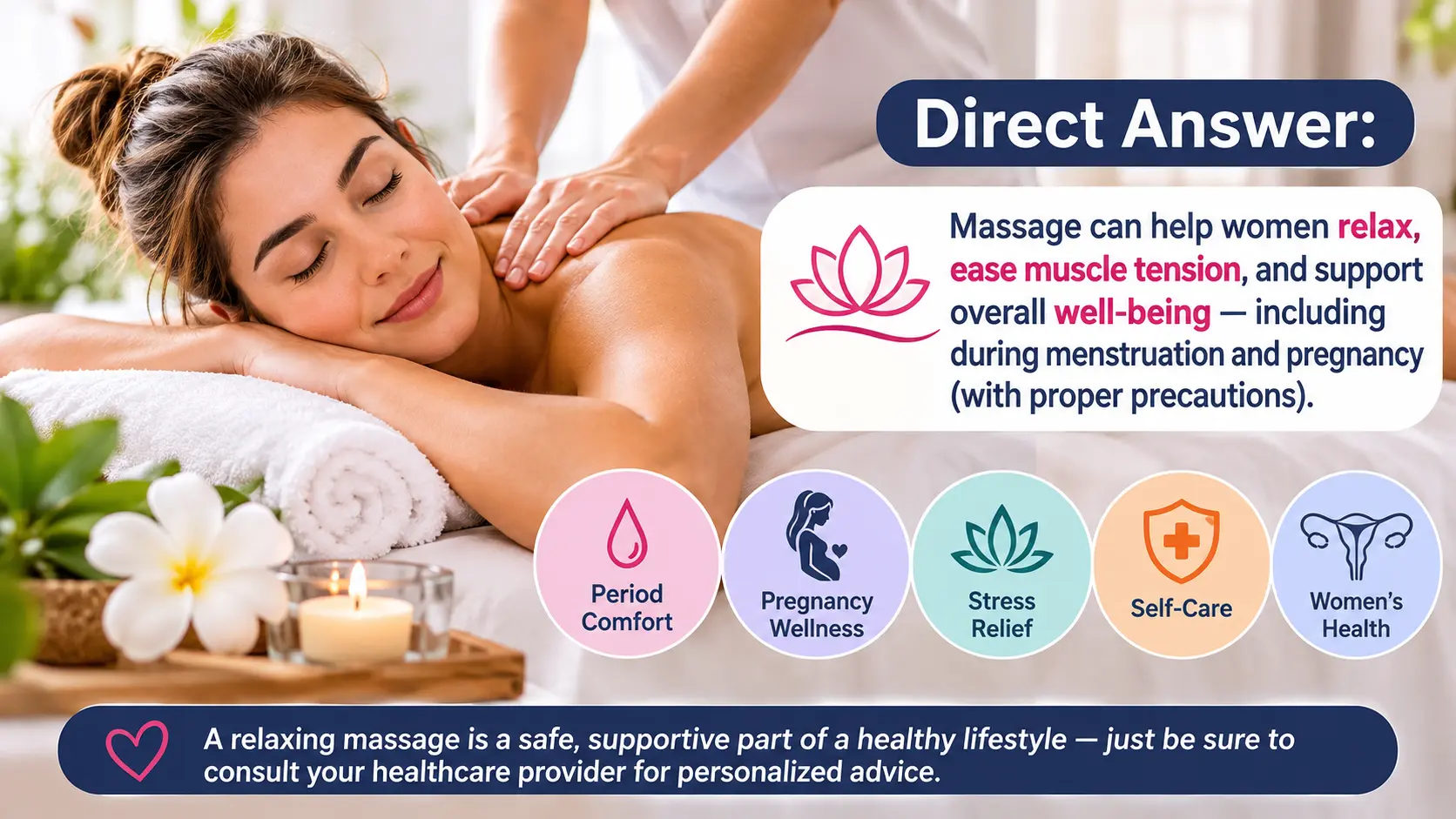
Massage may help women relax, ease everyday muscle tension, and manage some types of physical discomfort. It can also be a useful self-care activity during a vacation or a balanced wellness routine. Some women experience relaxation benefits from massage during menstruation or pregnancy, but the techniques and safety precautions are different. Massage does not treat menstrual disorders, prevent miscarriage, or remove a decidual cast. Pregnant women and those experiencing unusual bleeding or pelvic pain should seek appropriate medical advice before booking a session.
Women’s health involves more than menstrual cycles, pregnancy, and reproductive symptoms. It also includes physical comfort, emotional well-being, adequate rest, and the ability to manage everyday stress. However, balancing work, family responsibilities, hormonal changes, and personal commitments can make regular self-care difficult.
Taking time to relax can be an important part of a healthy lifestyle. For women planning a vacation along Florida’s scenic 30A coastline, a professional massage may provide an opportunity to slow down and enjoy some personal time. Exploring Massage Deals 30a can help travelers discover available massage options while planning a relaxing getaway.
But how does massage relate to women’s reproductive health? Can it help with period discomfort? Is massage safe during pregnancy? And does it increase miscarriage risk? Understanding the potential benefits and limitations can help women make informed decisions about their wellness.
Why Massage and Relaxation Matter for Women’s Health
Women experience different physical and emotional demands throughout their lives. Menstruation, pregnancy, postpartum recovery, work-related stress, and changing sleep patterns can all affect how the body feels.
Massage therapy is one way to support relaxation. Depending on the technique, a session may help ease muscle tension and create a comfortable environment for rest.
Some women find massage particularly helpful when they experience tight shoulders, lower back discomfort, or general muscle fatigue. Others simply enjoy having dedicated time away from their daily responsibilities.
Massage should be considered a complementary wellness activity rather than a medical treatment. It cannot correct hormonal imbalances, diagnose reproductive conditions, or replace appropriate gynecological care.
- Promotes relaxation and temporary relief from everyday muscle tension.
- May help reduce feelings of stress and anxiety.
- May improve comfort and relaxation before bedtime.
- Provides an opportunity to focus on personal well-being.
- May complement other healthy lifestyle habits.
Can Massage Help With Period Cramps and Menstrual Discomfort?
Menstrual cramps are common, but their intensity varies from woman to woman. Some experience mild lower abdominal discomfort, while others have cramps that spread to the lower back and thighs.
These cramps usually happen because the uterus contracts to shed its lining during menstruation. Chemicals called prostaglandins help trigger these contractions.
Massage may provide relaxation and temporary comfort for some women experiencing menstrual discomfort. Gentle massage around the lower back or other tense muscles may help the body feel more relaxed.
How Massage May Support Period Comfort
- Lower back relaxation: Gentle massage may ease tension in muscles around the lower back.
- Stress management: A relaxing session may help women feel calmer when dealing with uncomfortable periods.
- Physical comfort: Gentle techniques may reduce feelings of muscle tightness.
- Rest and recovery: Relaxation can make it easier to slow down and prioritize rest during menstruation.
However, massage does not stop uterine contractions or treat the underlying causes of painful periods. Heat therapy, suitable pain relief, gentle movement, and medical treatment may be more appropriate depending on the cause and severity of the cramps.
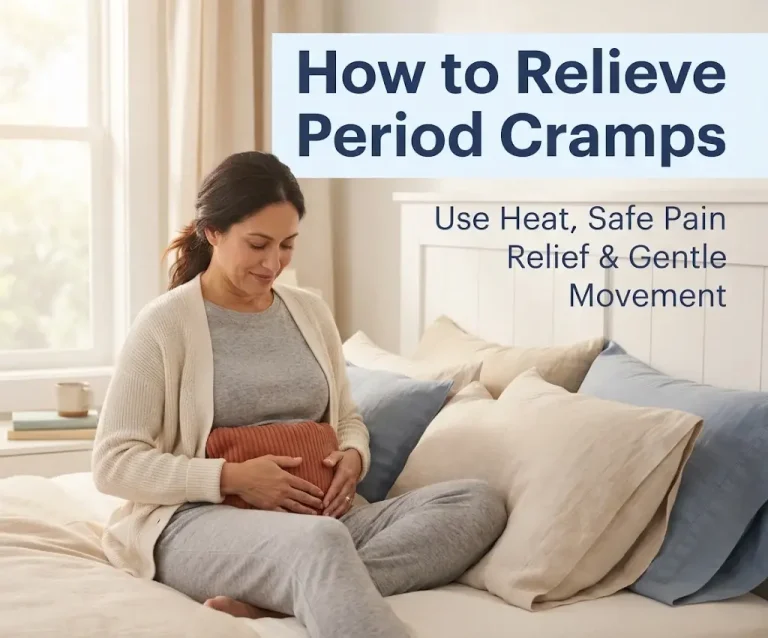
For additional guidance, read our guide on how to relieve period cramps and the article explaining what helps with period cramps.
When Period Pain Needs Medical Attention
Do not assume that severe menstrual pain is always normal. Conditions such as endometriosis, adenomyosis, and uterine fibroids can cause painful periods.
Speak with an OB/GYN if your cramps become worse over time, interfere with daily activities, or occur alongside unusually heavy bleeding.
A sudden increase in pelvic pain, fainting, severe dizziness, or unusual bleeding should not be managed with massage alone. Seek medical assessment when these symptoms occur.
Massage During Pregnancy: Benefits and Safety Considerations
Pregnancy brings many physical changes. As the body adapts to support a growing baby, some women experience back discomfort, muscle tension, leg discomfort, and difficulty sleeping.
Prenatal massage is a specialized form of massage designed for pregnant women. When performed by a properly trained therapist, it may help some women manage stress, anxiety, and pregnancy-related muscle discomfort.
The American College of Obstetricians and Gynecologists (ACOG) recognizes massage as one way to relax during pregnancy. It recommends appropriate positioning, including lying on the side rather than remaining face down.
What to Consider Before Booking a Pregnancy Massage
- Choose a massage therapist specifically trained in prenatal massage.
- Tell the therapist how many weeks pregnant you are.
- Discuss your pregnancy history and any medical complications.
- Use comfortable side-lying or supported positions as appropriate.
- Avoid direct abdominal pressure and inappropriate deep-pressure techniques.
- Ask your OB/GYN or midwife whether massage is suitable for your pregnancy.
Pregnant women should be particularly careful if they have vaginal bleeding, abdominal pain, contractions, high blood pressure, or a high-risk pregnancy. These symptoms and conditions need medical assessment before arranging a massage.
If you experience vaginal bleeding, severe abdominal pain, fainting, or unusual fluid leakage during pregnancy, do not book a massage as a way to manage these symptoms. Contact your maternity care team promptly. Severe pain, heavy bleeding, or fainting requires urgent medical attention.
Does Massage Increase the Risk of Miscarriage?
Many pregnant women worry about activities that might increase their risk of miscarriage, especially during the first trimester. Massage is sometimes included in these concerns.
Current scientific evidence does not establish that properly performed massage by a trained therapist causes miscarriage. A published review examining massage and miscarriage concerns found no evidence that massage increases miscarriage risk based on the available physiological evidence. However, direct high-quality research specifically examining first-trimester massage remains limited.
It is important to understand that miscarriage can happen for several reasons, often involving problems with early pregnancy development. It is not appropriate to assume that ordinary relaxation activities caused a pregnancy loss.
When Should a Pregnant Woman Avoid Massage Until Medical Assessment?
Some symptoms require medical evaluation before any relaxation treatment is considered.
- Unexplained vaginal bleeding or spotting.
- Persistent or severe abdominal or pelvic pain.
- Regular painful contractions.
- Symptoms that may indicate an ectopic pregnancy.
- Known pregnancy complications requiring medical supervision.
A history of miscarriage does not automatically mean massage is unsafe. However, women with previous pregnancy losses or current pregnancy complications should discuss their circumstances with their healthcare provider before starting prenatal massage.
If you are concerned about miscarriage, you can also explore our Miscarriage Risk Calculator and Chance of Miscarriage by Week. These resources provide educational estimates, not a diagnosis or a guarantee about an individual pregnancy.
Massage, Decidual Casts, and Unusual Menstrual Symptoms
A decidual cast is an uncommon condition in which a large portion or nearly the entire uterine lining passes in one piece instead of shedding gradually during menstruation.
Some women describe the tissue as fleshy, thick, or shaped like the inside of the uterus. Passing a decidual cast may also cause sudden and intense cramps.
Because the experience can resemble other reproductive health events, including pregnancy-related tissue passage, it is important to understand the difference.
Can Massage Treat or Prevent a Decidual Cast?
No. There is no established evidence that massage can prevent, treat, or cause a decidual cast.
Massage may provide general relaxation, but it cannot remove retained uterine tissue, correct hormonal causes, or determine why unusual tissue has passed.
If you pass a large piece of tissue during bleeding, especially when pregnancy is possible, seek medical evaluation. A pregnancy test and appropriate clinical assessment may be necessary to distinguish a decidual cast from miscarriage or other conditions.
Read our detailed guide to understand what a decidual cast during a period means, how it differs from menstrual blood clots, and when medical attention is needed.
Different Types of Massage and Their Potential Benefits
Not every massage technique provides the same experience. The most appropriate option depends on your comfort, health needs, and whether you are pregnant or managing an existing medical condition.
| Massage Type | What It Involves | Potential Wellness Benefit |
|---|---|---|
| Swedish Massage | Gentle, flowing movements | General relaxation and muscle comfort |
| Deep Tissue Massage | Focused pressure on deeper muscle layers | May help certain types of muscle tension; not suitable for everyone |
| Prenatal Massage | Specialized techniques and pregnancy-safe positioning | May support relaxation and pregnancy-related comfort |
| Aromatherapy Massage | Massage combined with aromatic oils | Relaxing sensory experience; essential oils require pregnancy-specific precautions |
| Relaxation Massage | Gentle techniques in a comfortable setting | Stress management and personal relaxation |
Before choosing a treatment, discuss your health history and any relevant symptoms with the therapist. Deep pressure is not automatically better, and some techniques may be unsuitable during pregnancy or with particular medical conditions.
How to Choose the Right Massage Deal for Your Needs
Finding a suitable massage package involves more than comparing prices. The therapist’s qualifications, hygiene practices, massage techniques, and understanding of women’s health are equally important.
Consider these points before making a reservation:
- Check professional qualifications: Look for an appropriately trained and licensed massage therapist.
- Understand the treatment: Confirm whether the session involves gentle relaxation or deeper pressure.
- Discuss health concerns: Mention pregnancy, recent childbirth, injuries, allergies, or other relevant conditions.
- Compare available packages: Review session duration, pricing, and what each offer includes.
- Prioritize hygiene: Choose a professional environment with appropriate cleanliness standards.
For women planning a relaxing visit to Florida’s 30A area, exploring Massage Deals 30a may help identify available options that fit their vacation plans.
Remember that a discounted massage is only worthwhile when the service meets your personal comfort and safety requirements.
Simple Self-Care Habits That Complement Massage
Massage can be one part of a broader wellness routine, but maintaining good health requires consistent habits.
Women can support their physical and emotional well-being through simple daily practices:
- Maintain a regular sleep schedule.
- Choose balanced meals and stay hydrated.
- Participate in comfortable physical activity.
- Make time for relaxation and enjoyable activities.
- Track menstrual changes and unusual symptoms.
- Attend recommended prenatal and gynecological appointments.
- Seek professional advice when symptoms persist or become severe.
These habits are especially important for women who experience recurring menstrual discomfort or are managing changes during pregnancy and postpartum recovery.
Frequently Asked Questions About Massage and Women’s Health
1. Can massage help with period cramps?
Gentle massage may help some women relax and ease muscle tension associated with menstruation. However, it does not treat the uterine contractions responsible for menstrual cramps or the underlying causes of severe period pain.
2. Is massage safe during early pregnancy?
Available evidence does not establish that properly performed massage causes miscarriage. However, research specifically examining first-trimester massage is limited. Consult your healthcare provider and choose a therapist trained in prenatal massage.
3. Can massage cause miscarriage?
There is no established evidence that appropriately performed relaxation massage causes miscarriage. Pregnancy complications and unexplained bleeding or pain should always be assessed by a healthcare professional.
4. Can massage help after a miscarriage?
Massage may eventually provide relaxation after pregnancy loss, but the timing depends on physical recovery, bleeding, symptoms, and medical advice. Avoid massage as a substitute for follow-up care, particularly if bleeding, fever, or pain continues.
5. Can massage prevent or treat a decidual cast?
No. Massage has not been established as a treatment or preventive measure for decidual casts. Passing unusual uterine tissue should be evaluated, especially if pregnancy is possible.
6. Which massage is best for women who want to relax?
Swedish massage and gentle relaxation massage are common choices for people seeking general relaxation. Pregnant women should choose a therapist specifically trained in prenatal massage and discuss their health needs before booking.
7. Should I get a massage if I have unusual vaginal bleeding?
Do not use massage to manage unexplained vaginal bleeding. Seek medical advice to identify the cause. If pregnancy is possible and bleeding occurs with pelvic pain, dizziness, or fainting, seek urgent medical assessment.
Final Thoughts: Making Women’s Wellness a Priority
Women’s health involves recognizing physical needs, understanding reproductive changes, and making time for regular self-care. Massage may provide an enjoyable way to relax, ease everyday muscle tension, and take a break from daily responsibilities.
Whether you are managing menstrual discomfort, planning a relaxing vacation, or considering prenatal massage, your personal health circumstances should guide your decisions.
Most importantly, do not confuse relaxation with medical treatment. Massage cannot prevent miscarriage, treat a decidual cast, or replace an evaluation for severe period pain or unusual pregnancy symptoms.
Taking time for yourself matters, but making informed health decisions matters just as much.