
Jelly-Like Blood Clots During Your Period: Is It Normal?
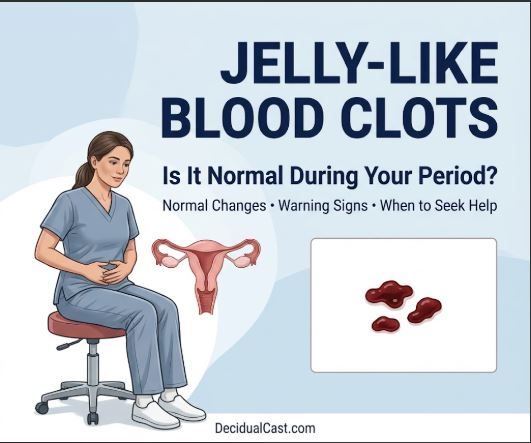
Jelly-like blood clots during your period are usually normal, especially on days when your menstrual flow is heavy. These clots form when blood collects and thickens before leaving your uterus. They may look dark red, bright red, or almost black. Small clots that appear occasionally are often not a cause for concern.
However, large or frequent blood clots may be a sign of heavy menstrual bleeding. You should also seek medical advice if you have severe pain, feel dizzy, or notice a sudden change in your period. If pregnancy is possible and you have unusual bleeding or severe abdominal pain, get medical help promptly.
Are Jelly-Like Blood Clots During Your Period Normal?
Yes, jelly-like blood clots during your period are often normal. Your body sheds the lining of your uterus during menstruation. Blood and other material may collect before leaving your body, which can create soft, jelly-like clumps.
You may notice more clots during the first few days of your period. This is often when menstrual flow is heaviest. You might also pass a clot after sitting or lying down for a while.
Small, occasional clots are usually less concerning when your period follows its usual pattern. Still, the size of a clot is not the only thing that matters. Pay attention to how much you bleed, how much pain you feel, and whether your cycle has changed.
According to Cleveland Clinic, many menstrual blood clots are normal. Large clots combined with heavy bleeding may need medical attention.
What Are Jelly-Like Period Blood Clots Made Of?
Jelly-like period clots can contain blood, clotting material, and small amounts of tissue from the uterine lining. Their texture can vary throughout your period.
Here is what may affect their appearance:
- Blood: Menstrual bleeding contains blood from the small blood vessels in the uterine lining.
- Clotting material: Your body uses clotting proteins and platelets to help control bleeding. These can make blood form soft clumps.
- Uterine lining: Your body sheds the lining of the uterus during your period. Small amounts of this material may mix with menstrual blood.
- Cervical mucus: Mucus from the cervix may mix with menstrual fluid and change its texture.
These materials can make period blood look thick, sticky, stringy, or jelly-like. The color may range from bright red to dark red or brown.
Appearance alone cannot tell you whether a clot is normal. Other symptoms and your usual menstrual pattern are important.
What Causes Jelly-Like Blood Clots During a Period?
Several factors can explain why period blood looks thick or contains clots. Some are part of normal menstruation. Others may need medical assessment.
1. Heavy menstrual flow
A heavier flow is one common reason for passing blood clots during your period. When blood collects before leaving the uterus, it can form clumps.
You may notice more clots on your heaviest days. However, repeatedly passing large clots or soaking through menstrual products quickly may point to heavy menstrual bleeding.
2. Normal changes during your cycle
Your menstrual flow can change from one day to another. You may have a heavier flow at the start of your period and lighter bleeding near the end.
Small clots may appear during these changes. A clot may also look darker if the blood has had more time to collect before leaving your body.
3. Hormonal changes
Hormones help control the growth and shedding of your uterine lining. Changes in hormone levels can affect how much lining builds up and how heavily you bleed.
Conditions that affect ovulation, including polycystic ovary syndrome (PCOS), may contribute to irregular bleeding. Thyroid problems can also affect menstrual patterns.
You cannot identify a hormone problem from the appearance of a clot alone. A healthcare professional can assess your symptoms and decide whether testing is needed.
4. Uterine fibroids or polyps
Uterine fibroids are growths that develop in or around the uterus. Uterine polyps are growths in the lining of the uterus.
Both can cause heavier or irregular bleeding in some people. Heavy bleeding may lead to more noticeable clots.
These conditions do not cause symptoms in everyone. If your periods become much heavier, last longer than usual, or include repeated large clots, speak with a healthcare professional.
5. Bleeding disorders
Some bleeding disorders make it harder for your body to control bleeding. Heavy periods may be one sign of such a disorder.
Consider mentioning your family history if you or close relatives have a known bleeding problem. Your healthcare professional may recommend blood tests based on your symptoms.
6. Other causes of abnormal bleeding
Several other conditions can affect menstrual bleeding. These include adenomyosis, problems with ovulation, and certain medicines or hormonal birth control methods.
Do not assume that jelly-like clots mean you have a specific condition. A healthcare professional can review your medical history and symptoms to find the likely cause.
Normal Period Clots vs. Clots That May Be Concerning
The following table can help you understand common patterns. It is a guide, not a way to diagnose a medical condition.
| What you notice | What it may mean | What to do |
|---|---|---|
| Small, jelly-like clots on heavier days | Often part of normal menstruation | Monitor your usual pattern |
| A few dark red clots | Blood may have collected before leaving your body | Watch for other symptoms |
| Repeated large clots | May be linked to heavy menstrual bleeding | Arrange a medical assessment |
| Clots with bleeding lasting over 7 days | May indicate abnormal menstrual bleeding | Contact a healthcare professional |
| Clots with severe pelvic or abdominal pain | May need urgent assessment | Seek prompt medical care |
| Heavy bleeding with dizziness or faintness | Could indicate significant blood loss | Seek urgent medical care |
| Bleeding with a chance of pregnancy | May have causes that need prompt assessment | Contact a healthcare professional |
Some medical sources use clot size to help identify heavy bleeding. For example, Mayo Clinic advises seeking medical care for clots larger than a grape. Other guidance highlights clots around the size of a quarter or larger, especially with heavy flow.
Do not rely on size alone. Your overall bleeding pattern, pain, and other symptoms also matter.
Why Is My Period Blood Thick and Jelly-Like?
Period blood may look thick or jelly-like because blood, clotting material, mucus, and uterine lining tissue can mix together.
This appearance is often more noticeable when your flow is heavy. You may also see stringy clots or dark red clumps.
Thick period blood does not automatically mean something is wrong. However, if the texture changes suddenly or comes with heavy bleeding, severe cramps, or bleeding between periods, talk with a healthcare professional.
It can help to record when the clots appear, how large they are, and how often you change your pad or tampon. This information can help your clinician understand what is happening.
What If Period Blood Clots Look Like Tissue?
Some menstrual clots may look fleshy, stringy, or similar to pieces of tissue. This can happen because the uterine lining sheds during menstruation and mixes with blood.
However, you cannot reliably identify tissue or diagnose a pregnancy loss by appearance alone.
If you could be pregnant and pass tissue-like material, contact a healthcare professional for advice. Bleeding during pregnancy can have several causes, and some need urgent treatment.
Seek emergency care if you have severe abdominal or pelvic pain, fainting, marked dizziness, or heavy bleeding. Sudden severe pain, especially when pregnancy is possible, needs urgent assessment.
If you are not pregnant but repeatedly pass unusual tissue-like material or have new, heavy, or painful periods, arrange a medical appointment.
When Should You Worry About Period Blood Clots?
You should pay attention to period clots when they are large, frequent, or accompanied by other symptoms.
Contact a healthcare professional if you:
- Repeatedly pass large clots, especially with heavy bleeding.
- Bleed for more than seven days.
- Need to change your pad or tampon every one to two hours because of heavy flow.
- Have bleeding between periods.
- Notice a sudden change in your usual menstrual cycle.
- Experience cramps that are severe or worse than usual.
- Feel unusually tired, weak, or short of breath.
Heavy menstrual bleeding can lead to iron deficiency or anemia. These conditions may cause tiredness, weakness, dizziness, or shortness of breath.
Seek urgent medical care if you soak through a pad or tampon every hour for more than two hours in a row, particularly if you feel dizzy, faint, weak, or short of breath. If pregnancy is possible and you have heavy bleeding or severe pain, seek prompt medical assessment.
Do not wait for your next routine appointment if your symptoms are severe.
What Should You Do If You Pass Jelly-Like Clots?
If your clots are small and your period is otherwise normal for you, you can start by monitoring your cycle. You do not need to panic over every clot.
These steps can help you track changes:
- Record your bleeding. Note when your period starts and ends, and whether the flow is light, moderate, or heavy.
- Track clot size and frequency. Record whether clots appear occasionally or repeatedly.
- Note other symptoms. Write down cramps, pelvic pain, dizziness, fatigue, or bleeding between periods.
- Review recent changes. Consider whether you have started a new medicine or changed your birth control.
- Contact a healthcare professional when needed. Explain your symptoms and how they differ from your usual period.
Your clinician may ask about your cycle, medical history, medicines, and the possibility of pregnancy. Depending on your symptoms, they may recommend a pregnancy test, blood tests, or an ultrasound.
Treatment depends on the cause. Some people need no treatment. Others may benefit from medicine or treatment for an underlying condition.
Do not start hormonal medicines or take supplements to treat heavy bleeding without appropriate medical advice.
Keeping Your Home Safe and Comfortable
When you are managing period symptoms, a clean, comfortable home can make rest easier. Household problems, such as basement flooding or a failed sump pump, may also need prompt attention. If you experience a plumbing emergency, a sump pump emergency service may help you address the problem and protect your home from water damage.
The Bottom Line
Jelly-like blood clots during your period are often a normal part of menstruation, especially when your flow is heavy. They may contain blood, clotting material, mucus, and tissue from the uterine lining.
The most important signs are clot size, how often you pass clots, how heavily you bleed, and whether you have pain or other symptoms. If you pass repeated large clots, bleed for more than seven days, or notice a major change in your cycle, contact a healthcare professional.
Seek urgent care for very heavy bleeding, faintness, severe pain, or bleeding with possible pregnancy. When in doubt, getting medical advice is safer than trying to diagnose the cause by appearance alone.
Medical disclaimer: This article is for educational purposes only. It does not replace medical advice, diagnosis, or treatment from a qualified healthcare professional.