Stopping Birth Control Causes Heavy Bleeding: What to Know
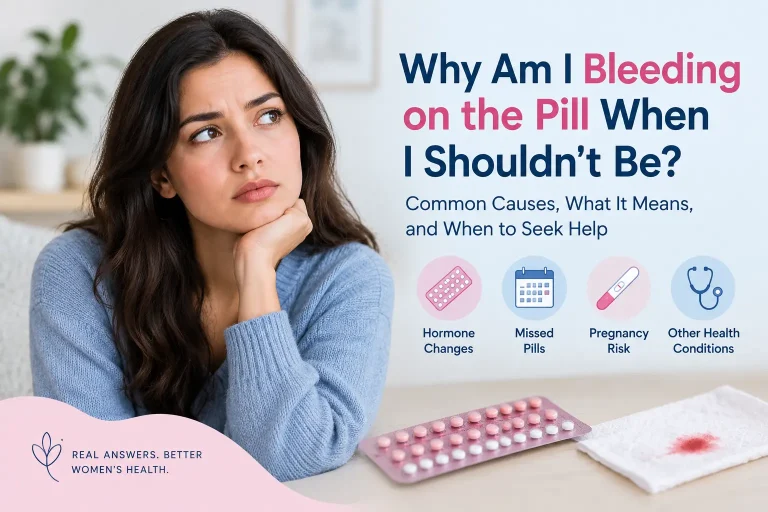
Stopping birth control can cause changes in your menstrual cycle. You may notice spotting, irregular periods, or heavier bleeding. This can happen because your hormone levels change after you stop using hormonal birth control. Your natural period may also return to the pattern you had before starting contraception.
However, very heavy bleeding is not always a normal part of stopping birth control. The cause may depend on your birth control method, your health, and your usual menstrual cycle. Knowing what to expect can help you decide when to seek medical care.
Can Stopping Birth Control Cause Heavy Bleeding?
Yes, stopping hormonal birth control can change your bleeding pattern. Some people have light bleeding first. Others notice a heavier period or irregular bleeding in the following weeks or months.
Hormonal birth control often makes periods lighter or more predictable. Some methods also reduce cramps and help control heavy periods. When you stop using them, your natural menstrual cycle may return.
For example, if you had heavy periods before taking birth control pills, those periods may return after you stop. This does not always mean something is wrong. Still, bleeding that is unusually heavy, lasts too long, or comes with severe pain needs medical attention.
What to Expect After Stopping Different Birth Control Methods
Bleeding patterns can differ by method. The table below gives a general overview.
| Birth control method | What may happen after stopping |
|---|---|
| Birth control pills | Withdrawal bleeding may occur. Natural periods may return with a different flow or timing. |
| Birth control patch | Bleeding may occur as hormone levels fall. Cycle patterns can change. |
| Vaginal ring | A withdrawal bleed may occur, followed by changes in natural periods. |
| Hormonal IUD | Bleeding may change after removal. Periods may become heavier if the IUD had made them lighter. |
| Birth control implant | Bleeding patterns may change after removal. The timing of periods varies. |
| Birth control shot | Periods may take longer to return. The timing varies from person to person. |
| Copper IUD | This method does not use hormones. Removing it may not cause the same hormone-related changes as stopping hormonal birth control. |
These are general patterns, not exact predictions. Your experience may differ based on your method, medical history, and usual periods.
Why Am I Bleeding Heavily After Stopping Birth Control?
Several factors can explain heavy bleeding after stopping birth control.
1. Your Hormone Levels Are Changing
Hormonal birth control affects the hormones that control your menstrual cycle. When you stop using it, your body begins adjusting to the change.
This may cause spotting, irregular bleeding, or a withdrawal bleed. The timing and amount of bleeding can vary from person to person.
2. Your Natural Period Is Returning
Birth control may have made your periods lighter than they were before. After you stop, your natural cycle may return.
If your periods were heavy before starting birth control, you may notice heavy menstrual bleeding again. You may also experience more cramps or longer periods than you did while using contraception.
3. You Are Experiencing Withdrawal Bleeding
Withdrawal bleeding happens when hormone levels fall. It can occur after stopping certain types of hormonal birth control.
This bleeding is not always the same as a natural menstrual period. Its timing and flow depend on the method you used and where you were in your cycle.
4. An Existing Condition Is Causing Heavy Periods
Sometimes, stopping birth control reveals a problem that was already present. Birth control may have helped control its symptoms.
Possible causes of heavy periods include:
- Uterine fibroids
- Uterine polyps
- Adenomyosis
- Thyroid problems
- Hormone-related menstrual changes
- Bleeding disorders
These conditions cannot be diagnosed by bleeding alone. A healthcare professional can review your symptoms and decide whether testing is needed.
5. Pregnancy May Be Possible
Fertility can return quickly after stopping some birth control methods. You may ovulate before your first natural period.
If pregnancy is possible, take a pregnancy test at the appropriate time. Do not assume that heavy bleeding is simply your period. Bleeding with severe abdominal pain, shoulder pain, dizziness, or fainting needs urgent medical assessment because it may signal a serious pregnancy complication.
How Long Does Heavy Bleeding Last After Stopping Birth Control?
There is no single timeline for everyone. Some people have a short withdrawal bleed. Others notice changes over the next few menstrual cycles.
The timing also depends on the birth control method. Periods may return sooner after stopping pills, a patch, or a vaginal ring. After the birth control shot, the return of regular periods may take longer.
Do not wait for a set number of weeks if your bleeding is severe. Contact a healthcare professional if it lasts longer than seven days, repeatedly becomes very heavy, or is much heavier than your usual period.
When Is Heavy Bleeding After Stopping Birth Control an Emergency?
Heavy bleeding can cause blood loss and may need urgent treatment. It is important to know the warning signs.
Seek urgent medical care if you:
- Soak through about one pad or tampon per hour for two or more hours.
- Feel faint, very weak, dizzy, or short of breath.
- Have severe abdominal or pelvic pain.
- Have heavy bleeding and may be pregnant.
- Experience heavy bleeding with chest pain or fainting.
Call emergency services if you have severe symptoms, collapse, or feel that you may pass out.
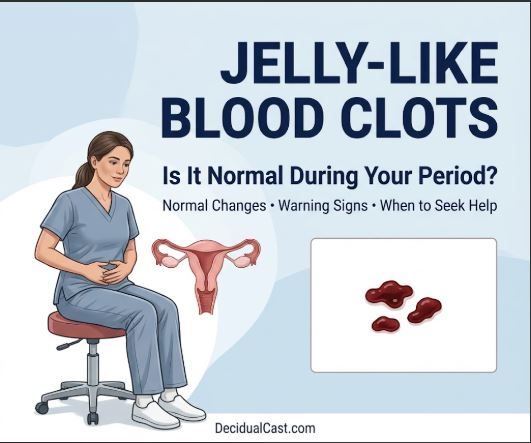
You should also contact a healthcare professional if your period lasts more than seven days, you pass large clots repeatedly, or heavy bleeding keeps returning. Your clinician may check for anemia, pregnancy, or another cause.
What Should You Do About Heavy Bleeding?
The right next step depends on how heavy the bleeding is and whether you have other symptoms.
Track Your Bleeding
Record when the bleeding starts and stops. Note how often you change pads or tampons and whether you pass clots. Also record cramps, dizziness, and other symptoms.
This information can help your healthcare professional understand what is happening.
Take a Pregnancy Test if Needed
If you have had sex that could result in pregnancy, consider a pregnancy test. Follow the test instructions. If you test early and your period does not come, you may need to test again.
Seek urgent care if pregnancy is possible and you have heavy bleeding with severe pain, dizziness, or fainting.
Speak With a Healthcare Professional
Contact your doctor or ob-gyn if the bleeding is much heavier than usual, lasts longer than seven days, or keeps happening. You may need an examination or blood tests to check for anemia and other causes.
Do not restart birth control or take medicine to stop the bleeding without medical advice. Treatment depends on the cause, your medical history, and whether pregnancy is possible.
Support Your Recovery
Rest if you feel tired, drink fluids, and eat regular meals. These steps may help you feel more comfortable, but they do not treat the cause of heavy bleeding.
If you have signs of significant blood loss, do not rely on home care. Seek medical help.
Can You Get Pregnant After Stopping Birth Control?
Yes. Pregnancy can become possible soon after stopping some hormonal birth control methods. You may release an egg before your first natural period.
If you do not want to become pregnant, discuss another contraceptive method with a healthcare professional. Use your chosen method as directed.
If you want to become pregnant, remember that your cycle may take time to become predictable. However, you do not need to wait for several periods before pregnancy becomes possible.
Keeping Your Home Comfortable While You Recover
If heavy bleeding leaves you resting at home, a clean and comfortable space can make recovery easier. Household problems should be handled separately from your health symptoms.
For example, leaks and water damage may need prompt attention to limit property damage and moisture problems. If you have a water damage issue at home, you can contact a Water Damage Restoration Service for help.
Water damage is not an established cause of heavy menstrual bleeding. If your bleeding is persistent, severe, or unusual for you, speak with a healthcare professional.
Final Thoughts
Stopping birth control can lead to spotting, withdrawal bleeding, or a return of heavier natural periods. The changes depend on the method you used and your menstrual history.
However, heavy bleeding is not always caused by stopping contraception. Bleeding that lasts more than seven days, soaks pads quickly, or comes with severe pain, dizziness, or fainting needs medical attention.
Track your symptoms and contact a healthcare professional if your bleeding is unusual or keeps returning. If pregnancy is possible, take a test and seek urgent care for heavy bleeding with severe pain or faintness.