How to Manage PCOS Symptoms and Build a Long-Term Care Plan
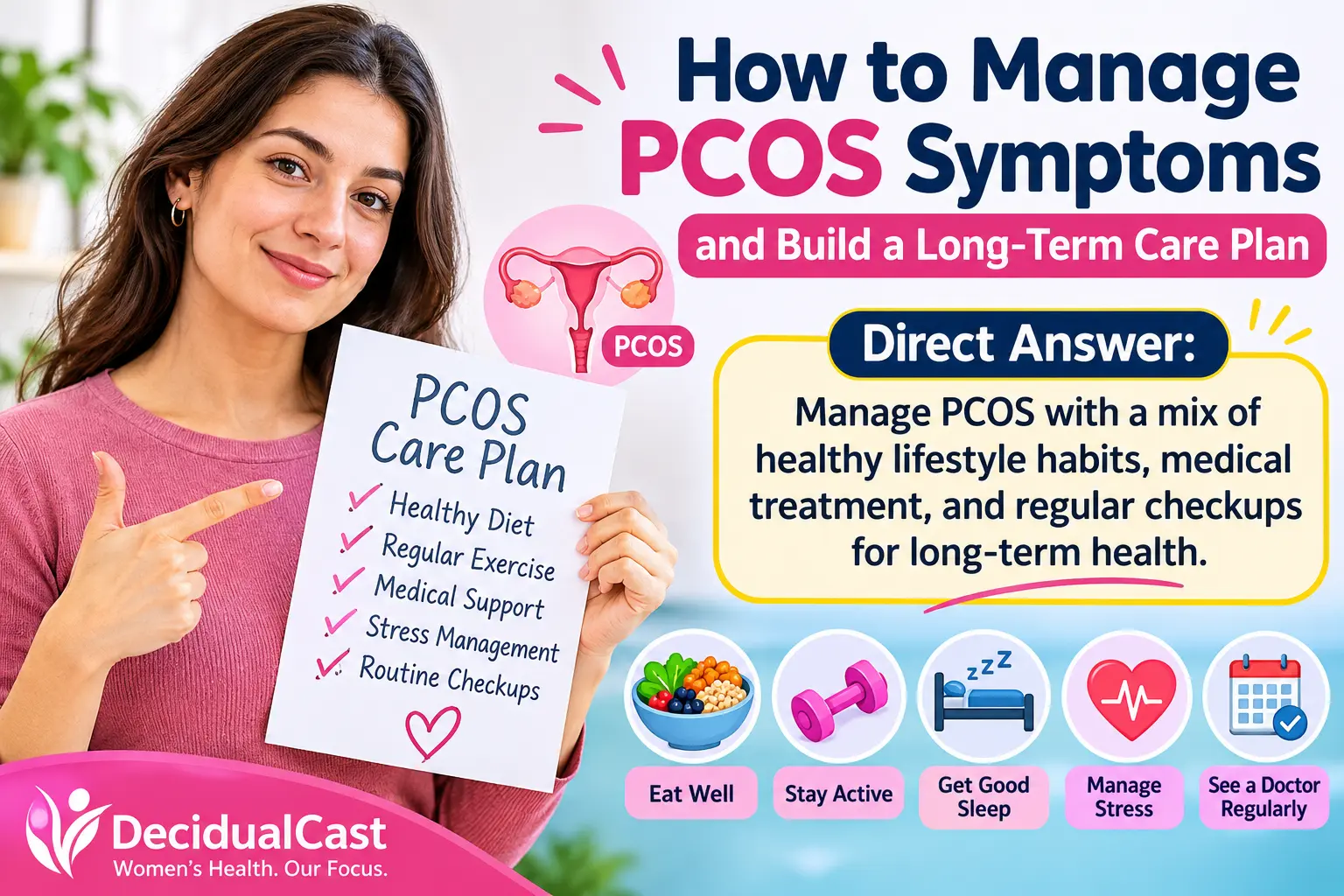
Polycystic ovary syndrome (PCOS) is a common hormonal condition that can affect menstrual cycles, skin, hair growth, metabolism, and fertility. Learning how to manage PCOS symptoms can help women improve their daily health and reduce the risk of long-term complications.
The best PCOS management plan combines healthy lifestyle habits, appropriate medical treatment, and regular health checks. However, treatment is not the same for everyone. Some women need help with irregular periods or acne, while others need support with insulin resistance, unwanted hair growth, or fertility.
PCOS does not have a permanent cure, but its symptoms can often be managed. A long-term care plan helps women understand their symptoms, choose suitable treatments, and track changes in their health over time.
Understanding PCOS and Why Long-Term Management Matters
PCOS is a hormonal and metabolic condition that affects how the ovaries work. It is often linked to higher androgen levels, irregular ovulation, and insulin resistance.
Androgens are hormones that are present in all women. However, higher levels can cause symptoms such as unwanted facial hair, acne, and scalp hair thinning.
Insulin resistance is another common feature of PCOS. It happens when the body’s cells do not respond well to insulin. As a result, the body may produce more insulin to help control blood sugar.
Higher insulin levels can affect hormone production and make some PCOS symptoms worse.
Common PCOS symptoms include:
- Irregular, missed, or unpredictable periods.
- Acne and oily skin.
- Excess facial or body hair.
- Hair thinning on the scalp.
- Weight changes or difficulty managing weight.
- Problems with ovulation.
- Difficulty getting pregnant.
- Dark, thick patches of skin in body folds.
Not every woman experiences all these symptoms. Some women have mild symptoms, while others need more support.
PCOS can also affect metabolic, reproductive, and emotional health. Women may have a higher risk of type 2 diabetes, sleep apnea, anxiety, and depression.
This is why PCOS management should focus on overall health rather than treating only one symptom.
How to Manage Common PCOS Symptoms
PCOS can cause different symptoms because hormones affect several body systems. The right treatment depends on which symptoms are causing problems and whether a woman wants to become pregnant.
1. Managing Irregular or Missed Periods
Irregular periods are one of the most common signs of PCOS. They often happen when the ovaries do not release an egg regularly.
Some women have long gaps between periods. Others may experience unpredictable bleeding.
Long periods without ovulation can allow the uterine lining to become too thick. This condition is called endometrial hyperplasia.
Women who have very infrequent periods should discuss treatment with a healthcare professional.
Possible management options include:
- Combined hormonal birth control pills to regulate bleeding.
- Progestin treatment to help protect the uterine lining.
- Lifestyle changes that support metabolic health.
- Regular menstrual cycle tracking.
The right option depends on medical history, symptoms, and pregnancy plans.
Women should not ignore missed periods for several months. A healthcare professional can help determine whether treatment is needed.
2. Managing PCOS Acne and Oily Skin
Higher androgen levels can increase oil production in the skin. This may lead to acne, clogged pores, and persistent breakouts.
PCOS-related acne can appear on the face, chest, shoulders, and back.
A consistent skincare routine may help control mild acne.
Consider these habits:
- Wash the face gently twice a day.
- Use non-comedogenic skincare products.
- Avoid picking or squeezing pimples.
- Remove makeup before sleeping.
- Use sunscreen that does not clog pores.
Some women need prescription treatment. A dermatologist may recommend topical retinoids, benzoyl peroxide, or other acne medications.
Hormonal treatments may also help when acne is linked to higher androgen levels.
Acne that does not improve with regular skincare deserves medical attention. A dermatologist can help choose treatment based on skin type and pregnancy plans.
3. Reducing Unwanted Facial and Body Hair
Excess facial or body hair is called hirsutism. It can develop when androgen levels are higher than normal or when hair follicles are more sensitive to these hormones.
Common areas include:
- Upper lip.
- Chin and jawline.
- Chest.
- Lower abdomen.
- Upper thighs.
Several options can help manage unwanted hair.
Hair removal methods
- Shaving provides quick and temporary results.
- Waxing removes hair from the root.
- Threading can help remove facial hair.
- Laser hair removal can reduce hair growth over several sessions.
- Electrolysis offers a longer-term hair removal option.
Medical treatments
Combined hormonal birth control may help lower androgen-related symptoms. Anti-androgen medications may also be considered when other treatments are not enough.
These medications require medical supervision. Some can harm a developing pregnancy, so effective contraception is important when pregnancy is possible.
It is also important to understand that hair growth changes slowly. Women may need several months before they notice improvement.
4. Addressing Hair Thinning and Hair Loss
PCOS can cause female-pattern hair loss in some women. Higher androgen activity may affect hair follicles and lead to thinner hair on the scalp.
Hair loss can affect confidence and emotional health.
Management may include:
- Medical evaluation to confirm the cause.
- Topical minoxidil when appropriate.
- Treatment of underlying hormonal symptoms.
- Evaluation for iron deficiency or thyroid problems when indicated.
- Gentle hair care to reduce breakage.
Not all hair loss is caused by PCOS. Thyroid problems, nutritional deficiencies, stress, and other conditions can also affect hair growth.
Speak with a dermatologist or healthcare professional before starting hair loss medication.
5. Managing Weight Changes With PCOS
Some women with PCOS experience weight gain or find weight management difficult. Insulin resistance, appetite changes, sleep problems, and other factors may contribute.
However, PCOS can affect women at different body sizes. Weight gain is not required for a PCOS diagnosis.
The goal should be better health, not pressure to reach a specific body size.
Helpful habits include:
- Eating regular, balanced meals.
- Including protein and fiber in meals.
- Choosing whole grains more often.
- Eating vegetables and fruit.
- Limiting frequent sugary drinks.
- Staying physically active.
- Getting enough sleep.
For women who want to lose weight and have a higher body weight, gradual and sustainable changes may improve some metabolic and reproductive measures.
However, healthy habits can benefit women with PCOS even when their weight does not change.
6. Understanding and Managing Insulin Resistance
Insulin resistance is common in PCOS. It can affect how the body controls blood sugar and may increase the risk of type 2 diabetes.
Some women have insulin resistance without clear symptoms.
A healthcare professional may recommend blood glucose testing to assess metabolic health.
Management can include:
- Regular physical activity.
- Balanced meals with fiber and protein.
- Adequate sleep.
- Reducing prolonged sitting.
- Medication such as metformin when appropriate.
Metformin helps the body respond better to insulin. It is often considered for women with PCOS who have metabolic concerns.
However, it is not necessary for every woman with PCOS. A healthcare professional should decide whether it is suitable.
Build a PCOS-Friendly Lifestyle Routine
Lifestyle management is an important part of long-term PCOS care. It can support metabolic health, improve general well-being, and help manage some symptoms.
The best routine is one that a woman can maintain over time.
Eating a Balanced Diet With PCOS
There is no single diet that works best for every woman with PCOS.
Some popular diets make strong claims about reversing insulin resistance or balancing hormones. However, restrictive eating plans are not necessary for everyone.
A balanced eating pattern can provide important nutrients and support blood sugar control.
Try to include:
| Food group | Examples | Potential benefits |
|---|---|---|
| Protein | Eggs, fish, chicken, beans | Supports muscle and fullness |
| Fiber-rich foods | Oats, lentils, vegetables | Supports digestion and blood sugar control |
| Whole grains | Brown rice, whole wheat bread, quinoa | Provides fiber and energy |
| Healthy fats | Nuts, seeds, olive oil | Supports overall health |
| Fruits | Berries, apples, oranges | Provides vitamins and fiber |
| Dairy or alternatives | Plain yogurt, milk, fortified alternatives | Provides protein and calcium |
You do not need to avoid all carbohydrates. Instead, focus on portion balance and nutrient-rich foods.
A dietitian who understands PCOS can help create a meal plan that fits personal needs, culture, budget, and food preferences.
Choosing Sustainable Exercise
Regular movement can support insulin sensitivity, cardiovascular health, mood, and sleep.
You do not need an intense workout routine to manage PCOS.
Useful activities include:
- Walking.
- Swimming.
- Cycling.
- Dancing.
- Strength training.
- Yoga.
A practical starting goal is to build toward 150 to 300 minutes of moderate physical activity each week, along with muscle-strengthening activity on at least two days.
Women who are new to exercise can begin with shorter sessions and increase activity gradually.
Consistency matters more than choosing a perfect workout.
Improving Sleep Quality
Sleep is an important part of PCOS management. Poor sleep can affect appetite, energy, mood, and metabolic health.
Some women with PCOS also have a higher risk of obstructive sleep apnea.
Try these sleep habits:
- Keep a regular bedtime.
- Reduce screen use before bed.
- Avoid large meals close to bedtime.
- Keep the bedroom quiet and comfortable.
- Limit caffeine late in the day.
Loud snoring, waking up tired, and daytime sleepiness may be signs of sleep apnea. Discuss these symptoms with a healthcare professional.
Managing Stress and Emotional Health
Living with PCOS can be emotionally difficult. Persistent acne, unwanted hair growth, irregular periods, and fertility concerns may affect confidence.
Some women also experience anxiety or depression.
Stress management cannot cure PCOS, but it can support emotional well-being.
Helpful approaches include:
- Practicing relaxation exercises.
- Taking regular breaks.
- Staying connected with supportive people.
- Maintaining enjoyable activities.
- Seeking counseling when needed.
If anxiety, low mood, or body image concerns affect daily life, professional support may help.
Mental health deserves the same attention as physical symptoms.
Medical Treatments That Can Help Manage PCOS
Lifestyle changes are important, but they are not always enough to control PCOS symptoms.
Medical treatment depends on a woman’s health, symptoms, medical history, and pregnancy goals.
Hormonal Birth Control
Combined hormonal birth control pills contain estrogen and progestin.
They may help women who are not trying to become pregnant by:
- Regulating menstrual bleeding.
- Reducing androgen-related acne.
- Helping control unwanted hair growth.
- Protecting the uterine lining.
These medications are not suitable for everyone. A healthcare professional should review blood clot risks, migraine history, blood pressure, smoking, and other health factors before prescribing them.
Metformin and Metabolic Health
Metformin is a medication commonly used to manage type 2 diabetes. It may also help selected women with PCOS.
It can improve insulin sensitivity and support metabolic health.
Possible benefits include:
- Better blood sugar regulation.
- Improved insulin sensitivity.
- Support for metabolic risk management.
- Some improvement in menstrual regularity.
Common side effects include nausea, diarrhea, and stomach discomfort.
Metformin should only be used with medical guidance. It is not a replacement for healthy lifestyle habits.
Anti-Androgen Medications
Anti-androgen medications reduce the effects of androgens in the body.
A healthcare professional may consider them for persistent unwanted hair growth or other androgen-related symptoms.
Spironolactone is one example.
These medications are not suitable during pregnancy because they may affect fetal development. Women who could become pregnant need appropriate contraception and medical advice.
Treatments for Acne and Unwanted Hair
A dermatologist may recommend prescription treatments for persistent acne.
Options may include topical retinoids, benzoyl peroxide, and other medicines based on the severity of the condition.
Laser hair removal and electrolysis may also help women manage unwanted hair.
The best approach may combine skin treatment, hormonal management, and cosmetic care.
Fertility Medications When Pregnancy Is Desired
PCOS can affect ovulation and make it harder for some women to become pregnant.
However, PCOS does not mean that pregnancy is impossible.
Women who have difficulty ovulating may benefit from fertility treatment.
Letrozole is recommended as the first-line medication for ovulation induction in many women with PCOS-related infertility when there are no other infertility factors.
Other options may include clomiphene, gonadotropins, or assisted reproductive treatments.
A fertility specialist can help select the right approach based on individual circumstances.
Monitor Your Long-Term Health With PCOS
Managing PCOS involves more than tracking periods and treating acne.
Women with PCOS may have increased risks of certain metabolic and reproductive health problems. Regular medical follow-up helps identify concerns early.
Blood Glucose and Diabetes Screening
Women with PCOS have an increased risk of impaired glucose tolerance and type 2 diabetes.
The 2023 international PCOS guideline recommends assessing blood glucose at diagnosis and repeating the assessment every one to three years based on individual risk.
A 75-gram oral glucose tolerance test (OGTT) is considered the most accurate test for assessing glucose status in PCOS.
Fasting glucose or HbA1c may be used when an OGTT is not practical, although they can be less accurate in this setting.
Blood Pressure and Cholesterol
PCOS is linked to a higher risk of metabolic and cardiovascular risk factors.
A healthcare professional may check:
- Blood pressure.
- Total cholesterol.
- LDL cholesterol.
- HDL cholesterol.
- Triglycerides.
The international guideline recommends a lipid profile at diagnosis. Blood pressure should also be checked annually and when planning pregnancy or fertility treatment.
The timing of further cholesterol testing depends on individual results and risk factors.
Menstrual and Uterine Health
Long periods without menstruation can increase the risk of endometrial hyperplasia.
This happens when the uterine lining becomes too thick.
Women with PCOS who have very infrequent periods should discuss menstrual regulation and uterine lining protection with their healthcare professional.
Although PCOS is associated with a higher relative risk of endometrial cancer, the overall risk remains low. Routine endometrial cancer screening is not recommended for all women with PCOS.
Mental Health and Sleep Assessments
Mental health should be part of routine PCOS care.
Women may benefit from screening for:
- Anxiety.
- Depression.
- Eating disorders.
- Body image concerns.
- Sleep apnea.
Discuss persistent tiredness, low mood, sleep problems, or emotional distress with a healthcare professional.
Early support can improve quality of life and make long-term management easier.
PCOS Management When You Want to Get Pregnant
PCOS can affect ovulation, which may make conception more difficult. However, many women with PCOS become pregnant naturally or with medical support.
The right fertility plan depends on ovulation, age, reproductive health, and other possible fertility factors.
Understand Your Ovulation Pattern
Women with irregular periods may not ovulate regularly.
Tracking menstrual cycles can help identify patterns, but irregular cycles can make ovulation prediction difficult.
A healthcare professional may use blood tests or ultrasound assessments when needed.
Prepare for Pregnancy
Before trying to conceive, discuss PCOS with your healthcare professional.
A preconception health review may include:
- Blood glucose testing.
- Blood pressure assessment.
- Medication review.
- Nutrition and physical activity.
- Folic acid supplementation.
- Evaluation of other fertility factors.
Women with PCOS may have an increased risk of certain pregnancy complications. Early medical guidance can help identify and manage these risks.
Know When to See a Fertility Specialist
Consider speaking with a fertility specialist if periods are very irregular, ovulation is not occurring, or pregnancy has not happened after trying.
Women with irregular or absent periods should not always wait a full year before seeking an evaluation.
A specialist can assess ovulation and discuss treatment options.
Create a Long-Term PCOS Care Plan
A long-term PCOS care plan helps women manage symptoms and monitor their overall health.
It should also change when health needs change.
Access to consistent healthcare is an important part of managing PCOS over time. Telehealth appointments and online health portals can make it easier for women to communicate with healthcare professionals and follow their care plans. Reliable internet access can support these digital healthcare services. For more information about connectivity options, visit https://5gstore.com/.
The plan should reflect personal symptoms, treatment goals, and medical history.
Step 1: Review Your Symptoms After Diagnosis
Start by discussing your symptoms with a gynecologist or another qualified healthcare professional.
Explain your menstrual history, skin changes, hair growth, weight changes, and fertility goals.
Ask which symptoms need treatment and whether additional testing is appropriate.
Step 2: Set Clear Treatment Goals
Not every woman needs the same treatment.
Some may want more regular periods. Others may focus on acne, unwanted hair, metabolic health, or pregnancy.
Choose goals that match your health needs.
Step 3: Track Symptoms and Treatment Progress
Keep a simple record of your health changes.
You can track:
- Menstrual cycle dates.
- Bleeding patterns.
- Acne and skin changes.
- Hair growth or hair loss.
- Medication use.
- Medication side effects.
- Sleep and mood.
- Physical activity.
Bring this information to medical appointments. It can help your healthcare professional understand whether treatment is working.
Step 4: Schedule Regular Health Reviews
Follow your healthcare professional’s advice for routine appointments and screening.
Review menstrual health, blood pressure, glucose status, cholesterol, mental health, and treatment response when appropriate.
Some tests may need repeating every year, while others depend on personal risk and previous results.
Step 5: Adjust Your Plan When Your Needs Change
PCOS symptoms can change over time.
A treatment that works well at one stage may not meet your needs later.
For example, a woman who wants to become pregnant may need a different treatment approach from someone who wants to manage acne and irregular periods without pregnancy plans.
Review your care plan when symptoms change, side effects develop, or pregnancy goals change.
Long-Term PCOS Care Checklist
| Care area | What to monitor |
|---|---|
| Menstrual health | Period frequency and bleeding changes |
| Skin health | Acne and oily skin |
| Hair health | Unwanted hair growth and scalp thinning |
| Metabolic health | Glucose status and cholesterol |
| Cardiovascular health | Blood pressure |
| Mental health | Anxiety, depression, and body image |
| Sleep | Snoring, fatigue, and sleep quality |
| Fertility | Ovulation and pregnancy goals |
| Treatment | Medication benefits and side effects |
Use this checklist as a discussion guide. Your healthcare professional can decide which checks are needed and how often they should happen.
Common PCOS Management Mistakes to Avoid
Managing PCOS can take time. Some common mistakes may make the process more difficult.
1. Following extreme diets
Very restrictive diets can be difficult to maintain and may affect nutritional health. A balanced eating pattern is a better long-term approach.
2. Focusing only on weight
PCOS can affect women of all body sizes. Weight is only one part of health assessment.
3. Ignoring irregular periods
Long gaps between periods should not be ignored. Discuss menstrual regulation and uterine health with a healthcare professional.
4. Using supplements as a replacement for treatment
Some supplements are promoted for PCOS, but evidence varies. They should not replace prescribed medication or medical care.
5. Stopping medication without medical advice
Stopping treatment may cause symptoms to return or leave certain health concerns untreated. Discuss changes with your healthcare professional first.
6. Ignoring mental health
Anxiety, depression, and body image concerns are important parts of PCOS care. Seeking support is a valid part of treatment.
Conclusion:
Learning how to manage PCOS symptoms is an ongoing process. The condition can affect menstrual health, skin, hair growth, metabolism, fertility, and emotional well-being.
A balanced approach can make long-term management easier. Focus on sustainable lifestyle habits, suitable medical treatment, regular health checks, and early support for new symptoms.
Most importantly, remember that PCOS does not look the same in every woman. Your care plan should reflect your symptoms, health history, and personal goals.
With the right medical guidance and consistent care, women with PCOS can take an active role in protecting their health and improving their quality of life.
Medical disclaimer: This article is for educational purposes only. It does not replace medical advice, diagnosis, or treatment. Women should consult a qualified healthcare professional about their individual PCOS symptoms and treatment options.