Moving While Pregnant: A Practical Guide to Staying Safe and Organized
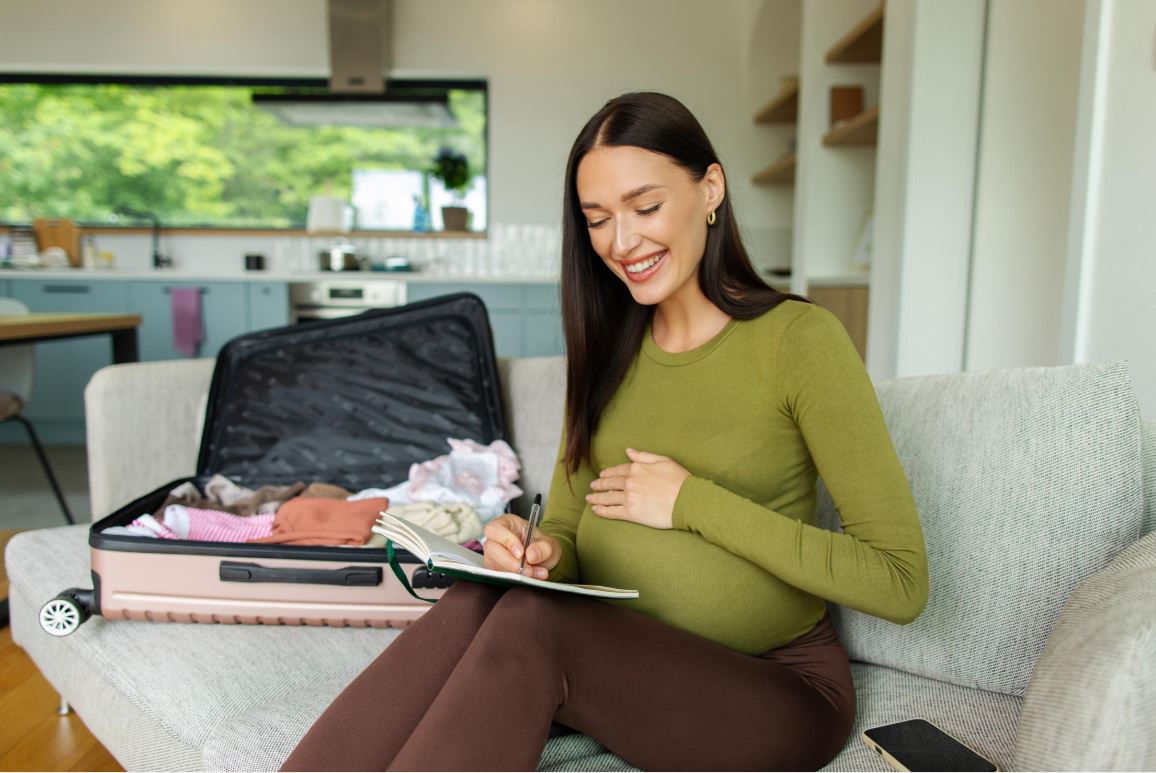
Moving to a new home while pregnant can feel stressful. You may need to pack boxes, arrange transportation, find a new doctor, and prepare your home before the baby arrives. However, moving while pregnant does not mean you have to do everything yourself.
Many women with uncomplicated pregnancies can take part in light moving activities. The key is to avoid heavy lifting, reduce physical strain, take regular breaks, and ask for help when needed. Your pregnancy stage and overall health also matter. Always discuss your moving plans with your healthcare provider, especially if you have pregnancy complications.
This guide explains how to move while pregnant, what tasks to avoid, and how to prepare for a safer and more organized move.
Is It Safe to Move While Pregnant?
Yes, many women can move house during pregnancy if they take suitable precautions. However, the safety of moving depends on your health, pregnancy stage, and the physical work involved.
Light tasks, such as organizing documents, sorting clothes, and packing small items, may be manageable for many pregnant women. On the other hand, carrying heavy boxes, moving furniture, and climbing ladders can increase the risk of injury.
Pregnancy can also affect your balance, posture, and joints. As your belly grows, some movements may become harder. Therefore, activities that felt easy before pregnancy may require more care.
Before moving, talk to your OB-GYN or midwife. Ask which activities are suitable for you. This is especially important if you have a high-risk pregnancy, a history of pregnancy complications, or symptoms that limit physical activity.
Remember, you do not need to handle every part of the move. You can manage the planning while family members or professional movers handle the heavy work.
What Should You Avoid When Moving While Pregnant?
Moving involves several physical tasks. Some may be uncomfortable or unsafe during pregnancy. Knowing which activities to avoid can help you protect your health.
1. Lifting Heavy Moving Boxes
Heavy lifting can put extra pressure on your back, hips, and abdominal muscles. It may also increase the risk of muscle strain.
Avoid carrying heavy boxes, especially when they contain books, appliances, or household equipment. Ask someone else to lift and carry them.
There is no single weight limit that is safe for every pregnant woman. Your lifting ability depends on factors such as pregnancy stage, health, lifting position, and how often you lift.
If your healthcare provider allows light lifting, use these precautions:
- Keep items close to your body.
- Avoid twisting while carrying objects.
- Bend your knees instead of bending from your waist.
- Do not hold your breath while lifting.
- Stop if you feel pain, dizziness, or unusual discomfort.
However, the safest option during a house move is to let someone else handle heavy boxes.
2. Moving Furniture and Appliances
Furniture can be difficult to lift and control. Large items may also shift suddenly or block your view.
Avoid moving beds, sofas, tables, refrigerators, and washing machines yourself. These tasks can require sudden movements and awkward body positions.
Instead, hire professional movers or ask other adults to handle heavy furniture. You can help by labeling boxes, checking room arrangements, and directing where items should go.
3. Repeated Bending and Twisting
Packing often requires repeated bending, reaching, and twisting. These movements can strain your back and hips.
Pregnancy changes your posture and balance. As your belly grows, bending may also become less comfortable.
Try to keep frequently used items at waist level. Use a chair when sorting small objects. Also, avoid reaching into high cupboards or bending repeatedly to pick things up from the floor.
4. Climbing Ladders and Carrying Items on Stairs
Climbing ladders can increase your risk of falling. Pregnancy-related changes in balance can make this more concerning.
Avoid climbing ladders to reach shelves, clean high areas, or pack upper cupboards.
Stairs also need extra care. Keep your hands free when using them. Hold the handrail and avoid carrying boxes while walking up or down stairs.
If possible, ask someone else to move items between floors.
5. Standing for Long Periods
Moving day can involve several hours of standing, walking, and supervising workers.
However, standing for too long may cause discomfort, swelling, or fatigue.
Take regular breaks throughout the day. Sit down when needed and keep water nearby. If your healthcare provider has given you activity restrictions, follow them.
6. Cleaning With Strong Chemicals
Cleaning your old or new home may expose you to strong fumes and irritating substances.
Some cleaning products contain bleach, ammonia, solvents, or other chemicals. Mixing cleaning products can also release dangerous gases.
Whenever possible, ask someone else to handle deep cleaning, painting, pest control, and chemical treatments.
If you must clean, use products according to their labels, keep the area well ventilated, and avoid mixing chemicals. Ask your healthcare provider about any specific exposure concerns.
What Is the Best Time to Move During Pregnancy?
There is no perfect time to move that applies to every pregnancy. Your comfort, health, and medical needs are more important than choosing a particular trimester.
However, each stage of pregnancy can bring different challenges.
| Pregnancy stage | Common challenges | Helpful moving approach |
|---|---|---|
| First trimester | Nausea, tiredness, and possible morning sickness | Plan early and pack in short sessions |
| Second trimester | Growing belly and changing posture | Focus on light tasks and delegate heavy work |
| Third trimester | Reduced mobility, balance changes, and fatigue | Let others handle most physical activities |
Moving During the First Trimester
The first trimester covers weeks 1 through 12 of pregnancy.
During this stage, some women experience nausea, vomiting, tiredness, and food aversions. These symptoms can make packing and organizing harder.
If you feel well and your healthcare provider has not restricted your activity, you may be able to complete light tasks.
For example, you can:
- Sort clothes and personal belongings.
- Organize important documents.
- Label moving boxes.
- Plan the new home’s layout.
- Arrange professional moving services.
Do not push yourself through nausea or extreme tiredness. Take breaks and ask for help when needed.
Moving During the Second Trimester
The second trimester covers weeks 13 through 27.
Some women feel more comfortable during this stage because early pregnancy symptoms may improve. However, your body continues to change.
Your growing belly can affect your posture and balance. Your joints may also feel different as pregnancy progresses.
You can use this time to organize your move and complete light tasks if you feel comfortable. However, avoid heavy lifting, furniture moving, and other strenuous work.
The second trimester may be a convenient time for some women to relocate, but it is not automatically the safest time for everyone.
Moving During the Third Trimester
The third trimester begins at week 28 and continues until delivery.
At this stage, your belly is larger. You may also experience back pain, swelling, tiredness, and difficulty moving comfortably.
Therefore, it is usually better to delegate most physical moving tasks.
Focus on supervising the move, organizing essential items, and preparing your new home. Keep your medical records, medications, and hospital bag easy to reach.
If your due date is approaching, discuss the timing of your move with your healthcare provider. You should also identify the nearest maternity hospital before relocating.
How to Prepare for a Move While Pregnant
Good planning can make moving while pregnant much easier. Start early so you do not need to complete everything in a few days.
1. Speak With Your OB-GYN Before Moving
Your healthcare provider understands your pregnancy and medical history.
Before moving, discuss:
- Your expected moving date.
- The amount of physical activity involved.
- Any travel plans.
- Existing pregnancy symptoms.
- Any activity restrictions.
- The availability of medical care at your new location.
Ask whether you need any special precautions. If you have a high-risk pregnancy, get advice before making physical or travel plans.
2. Create a Pregnancy-Friendly Moving Checklist
A checklist can help you stay organized without feeling overwhelmed.
Divide your moving tasks into smaller steps. Complete one task at a time instead of trying to finish everything in one day.
For example, you can organize paperwork one day, sort clothes the next day, and label boxes later.
Keep important pregnancy-related documents separate from ordinary household items.
3. Hire Professional Movers
Professional movers can handle heavy lifting, furniture, and large household items.
This reduces the physical work you need to do. It can also make moving day more organized.
When comparing moving companies, ask about:
- Packing services.
- Furniture handling.
- Moving insurance.
- Delivery dates.
- Additional charges.
- Storage options.
If your budget is limited, ask friends or family members to help with heavy items.
4. Start Packing Early
Last-minute packing can increase stress and make you rush.
Start several weeks before moving day if possible. Pack items you do not use every day first.
For example, you can begin with:
- Seasonal clothing.
- Extra bedding.
- Decorative items.
- Books.
- Unused kitchen equipment.
Keep everyday essentials accessible. You should not need to search through several boxes to find your medications or pregnancy records.
5. Keep Essential Items Separate
Prepare a separate bag for the first few days in your new home.
Include:
- Prenatal vitamins and prescribed medications.
- Medical records and appointment details.
- Comfortable clothes.
- Water bottle.
- Healthy snacks.
- Toiletries.
- Phone charger.
- Important contact numbers.
If you are close to your due date, keep your hospital bag ready as well.
6. Arrange Help for Moving Day
Do not assume you can manage everything because you feel well.
Ask family members, friends, or professional movers to handle packing, loading, unloading, and furniture placement.
You can focus on supervising the process and checking that essential items are available.
How to Stay Safe on Moving Day
Moving day can be busy and tiring. However, a few simple precautions can make it more manageable.
Stay Hydrated and Eat Regular Meals
Keep drinking water throughout the day. Dehydration can make you feel tired and uncomfortable.
Eat regular meals and keep easy snacks nearby. Avoid skipping meals because you are busy.
If you feel nauseated, choose foods that you can tolerate.
Wear Comfortable Shoes
Choose comfortable shoes with good support and a non-slip sole.
Avoid high heels, loose footwear, or shoes that make walking difficult.
Also, wear comfortable clothing that allows you to move without restriction.
Take Frequent Rest Breaks
Do not spend the entire day standing or walking.
Sit down when you feel tired. Take breaks in a quiet and comfortable area.
If your body feels uncomfortable, stop the activity rather than trying to finish it quickly.
Keep Your Phone and Medical Information Nearby
Save your OB-GYN’s contact details and the number of your nearest maternity hospital.
Keep your phone charged and accessible.
If you develop concerning symptoms, you should be able to contact medical help without searching through packed belongings.
Tips for Long-Distance Moving During Pregnancy
Moving to another city or state can require several hours of travel. Therefore, you need to plan your journey carefully.
Long-distance travel may be suitable for many women with uncomplicated pregnancies. However, your healthcare provider should assess your individual situation.
Here are some useful precautions.
Plan Regular Travel Breaks
Long periods of sitting can cause discomfort and swelling.
If you are traveling by car, plan regular stops. Walk around gently when it is safe to do so.
Avoid staying in one position for too long. Your healthcare provider may also recommend additional movement or other precautions based on your risk of blood clots.
Wear Your Seatbelt Correctly
Always wear a seatbelt when traveling by car.
Position the lap belt below your belly, across your hips and pelvic bones. Place the shoulder belt between your breasts and to the side of your belly.
Never place the shoulder belt behind your back or under your arm.
Keep the seat as far from the airbag as practical while maintaining safe control of the vehicle.
Carry Water, Snacks, and Medications
Keep important items within reach during the journey.
Your travel bag should include:
- Drinking water.
- Healthy snacks.
- Prescribed medications.
- Prenatal vitamins.
- Medical records.
- Emergency contact information.
- Comfortable clothing.
This can help you manage common travel needs without unpacking your luggage.
Identify Hospitals Along Your Route
Before leaving, identify hospitals and maternity services near your destination and along your route.
This is particularly important if you are in your third trimester or have a pregnancy that requires closer monitoring.
Also, make sure your prenatal care arrangements are ready before you leave your current city.
Plan Vehicle and Parking Arrangements
Relocation can create temporary transportation and parking challenges, especially when there is a gap between leaving your current home and settling into your new one.
If you are moving in or around Phoenix and need a separate place for your vehicle during this transition, you can explore car storage Phoenix options to compare available storage arrangements.
Arrange your transportation and parking plans before moving day. This can help reduce last-minute stress and allow you to focus on your health and prenatal care.
How to Transfer Prenatal Care After Relocating
Moving to another city does not mean your prenatal care should stop.
It is important to arrange a new healthcare provider before leaving your current location whenever possible.
Request Your Medical Records
Ask your current healthcare provider for copies of your prenatal records.
These may include:
- Ultrasound reports.
- Blood test results.
- Pregnancy history.
- Medication details.
- Blood type information.
- Screening results.
- Notes about pregnancy complications.
Having these records ready can help your new provider understand your pregnancy history.
Find a New OB-GYN or Midwife
Research healthcare providers near your new home.
Check whether they accept your insurance and whether they offer the services you need.
If you have a high-risk pregnancy, look for a provider who can coordinate the appropriate level of care.
Arrange Your Next Prenatal Appointment
Do not wait until you need another checkup to find a new provider.
Contact the new clinic before relocating. Ask about appointment availability and how to transfer your medical records.
Locate a Nearby Maternity Hospital
Find out where you would go if you experienced an emergency or went into labor.
Check the hospital’s location, maternity services, and emergency contact details.
Keep this information on your phone and share it with someone who may help you during an emergency.
How to Make Your New Home Safer During Pregnancy
After arriving, avoid rushing to unpack everything.
Focus on making the most important areas comfortable and safe.
Avoid Paint Fumes and Renovation Dust
Some renovation activities can expose you to dust, solvents, and chemical fumes.
Avoid personally handling paint removal, sanding, demolition, and other dusty work.
If the new home needs renovation, ask professionals to complete the work before you move in when possible.
Keep rooms well ventilated and discuss any specific exposure concerns with your healthcare provider.
Check for Mold and Dampness
Mold can grow in areas with moisture, leaks, or poor ventilation.
Check bathrooms, basements, windows, and areas under sinks for signs of dampness.
Ask a professional to address significant mold problems. Avoid personally cleaning large mold-affected areas.
Keep Walkways Clear
Moving boxes can create trip hazards.
Keep hallways, stairs, and entrances free from clutter. Make sure you can walk safely between rooms.
Place frequently used items where you can reach them without climbing or stretching.
Set Up Essential Rooms First
You do not need to unpack every box immediately.
Start with:
- Bedroom.
- Bathroom.
- Kitchen.
- Medical supplies and medications.
- Baby essentials, if needed.
Once these areas are ready, you can organize the rest of your home gradually.
When Should You Stop Moving and Seek Medical Help?
Knowing when to stop is an important part of moving safely during pregnancy.
If you experience unusual symptoms, stop the activity and contact your healthcare provider. Some symptoms require immediate medical attention.
According to the CDC, urgent maternal warning signs can occur during pregnancy and after delivery.
Seek prompt medical assessment if you experience:
- Vaginal bleeding.
- Fluid leaking from your vagina.
- Severe or persistent abdominal pain.
- Severe headache or changes in vision.
- Fainting or persistent dizziness.
- Chest pain or difficulty breathing.
- One-sided leg pain, swelling, redness, or warmth.
- Reduced baby movement when you are at a stage of pregnancy where you normally feel regular movement.
Do not assume these symptoms are caused by physical activity or ordinary moving stress.
For severe symptoms, seek emergency medical care. If you are unsure whether a symptom is serious, contact your healthcare provider rather than waiting for it to go away.
Moving While Pregnant Checklist
Use this checklist to prepare for a more organized move.
Before Moving
- Discuss your moving plans with your OB-GYN.
- Arrange professional moving help.
- Create a moving schedule.
- Start packing nonessential items.
- Request copies of prenatal medical records.
- Find a new OB-GYN or midwife.
- Confirm transportation arrangements.
- Prepare a separate bag for essential items.
On Moving Day
- Wear comfortable, supportive shoes.
- Keep drinking water.
- Eat regular meals and snacks.
- Avoid heavy lifting.
- Let others move furniture and appliances.
- Take regular rest breaks.
- Keep your phone and medications nearby.
- Avoid standing for long periods.
After Moving
- Set up your bedroom and bathroom.
- Keep walkways clear.
- Locate the nearest maternity hospital.
- Confirm your next prenatal appointment.
- Keep medications and medical records accessible.
- Unpack gradually.
- Ask for help with heavy furniture and cleaning.
Final Thoughts
Moving while pregnant can be manageable with the right preparation and support. However, your health should always come before your moving schedule.
Start planning early, delegate heavy tasks, stay hydrated, and take regular breaks. Also, arrange prenatal care before leaving your current city and prepare your new home gradually.
Most importantly, listen to your body and follow your healthcare provider’s advice. You do not need to do everything yourself. A well-planned move can help you settle into your new home while giving yourself more time to rest and prepare for your baby.