What to Consider Before Relocating for IVF Treatment
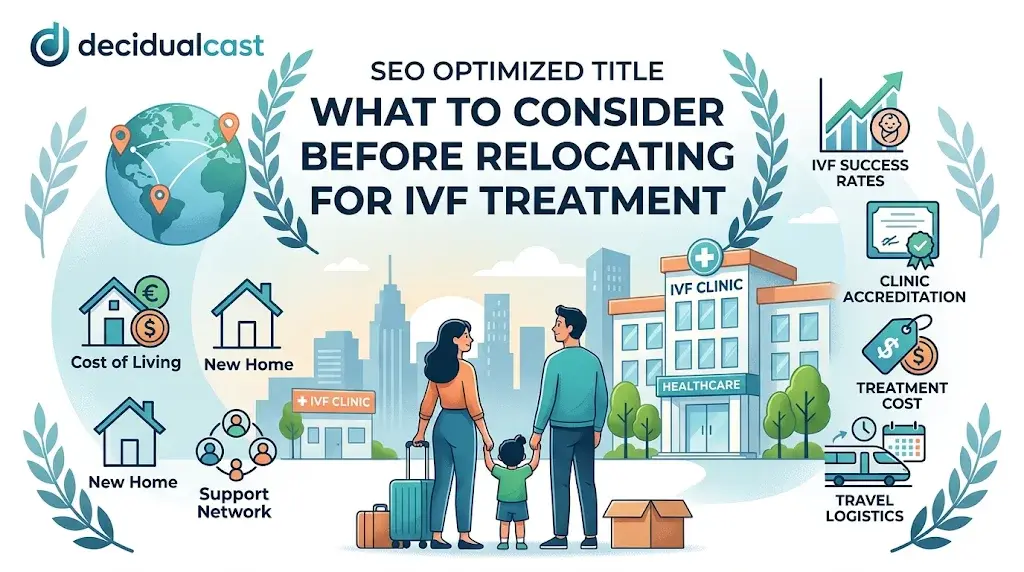
Choosing to relocate for IVF treatment is a major decision. It can affect your finances, work, family life, and emotional health. However, moving to another city or state may give you access to fertility specialists and treatment options that are not available nearby.
Before making the move, consider the clinic’s experience, treatment costs, travel arrangements, insurance coverage, and follow-up care. You should also find out whether you need to relocate permanently or stay near the clinic for only part of your treatment.
The good news is that relocating is not always necessary. Some fertility clinics allow patients to complete certain tests and monitoring appointments near home. With proper planning, you may be able to receive treatment from a distant clinic without moving your entire life.
Why Do Some People Relocate for IVF Treatment?
People choose to travel for in vitro fertilization (IVF) for several reasons. Their local fertility clinics may not offer the services they need. Others may want access to a specialist, a specific treatment option, or a different approach to fertility care.
Here are some common reasons patients consider relocating for IVF.
Access to Specialized Fertility Care
Not every fertility clinic offers the same services. Some centers have experience with complex fertility conditions, donor eggs, genetic testing, or fertility preservation.
Patients with conditions such as endometriosis, diminished ovarian reserve, or repeated IVF failures may want another specialist’s opinion.
A clinic with experience in your specific situation may help you understand your options. However, a specialized clinic does not guarantee a successful pregnancy.
More Treatment Options
Some fertility centers offer services that may not be available in a patient’s local area. These can include different embryo testing options, donor programs, and advanced laboratory services.
Before traveling, ask whether the recommended treatment is suitable for your medical needs. A fertility specialist should explain the possible benefits, limitations, risks, and costs.
Financial and Insurance Considerations
The cost of IVF can vary between clinics and locations. Some patients find a clinic with more suitable pricing or financing options outside their home state.
However, a lower treatment price does not always mean a lower total cost. Travel, accommodation, medication, and time away from work can increase your expenses.
Compare the full cost before deciding where to receive treatment.
Personal and Family Reasons
Some patients prefer treatment near family members who can offer emotional and practical support. Others may want more privacy during a difficult time.
Your comfort matters. IVF can involve repeated appointments and uncertain results. Having reliable support can make the process easier to manage.
Should You Relocate Permanently or Stay Temporarily Near an IVF Clinic?
You do not always need to move permanently for fertility treatment. The right arrangement depends on your treatment plan, travel distance, and the number of in-person appointments required.
There are three common options.
1. Temporary Accommodation
You can stay in a hotel, furnished apartment, or extended-stay property near the fertility clinic.
This may work well if your treatment requires several visits within a short period. It also allows you to return home after the main treatment stages.
Before booking, ask about flexible cancellation policies. IVF schedules can change based on your response to medication and other medical factors.
2. Partial Relocation
Partial relocation means staying near the clinic for selected treatment stages while completing some appointments at home.
For example, your local provider may perform certain blood tests and ultrasounds. Your primary fertility clinic can review the results and guide your treatment when both providers agree to this arrangement.
This option may reduce travel time and accommodation expenses.
3. Permanent Relocation
Some patients consider moving to another city or state for longer-term fertility care.
This may make sense when treatment requires repeated visits or when family and work arrangements support a permanent move.
However, permanent relocation brings additional responsibilities. You may need to find new housing, change employment arrangements, transfer medical records, and establish local healthcare connections.
Discuss the expected length of treatment with your fertility specialist before making a permanent decision.
How to Choose the Right Fertility Clinic in Another State
Choosing a fertility clinic is one of the most important decisions when relocating for IVF treatment.
Do not select a center based only on its location or advertised success rate. Instead, review its medical services, laboratory standards, communication process, and experience with patients who travel.
Consider these factors before making your decision.
Review the Clinic’s Success Rates
Fertility clinics report different IVF outcomes. However, a higher success rate does not automatically mean that one clinic is better for every patient.
Results can vary because of patient age, infertility diagnosis, treatment methods, and other factors.
The CDC ART Success Rates database allows you to review fertility clinic information and treatment outcomes across the United States.
You can also use the CDC IVF Success Estimator to explore estimated outcomes based on certain personal and medical factors.
Remember that these figures are estimates. They cannot predict your individual result.
Check the Specialist’s Experience
Ask about the fertility doctor’s qualifications and experience with your specific condition.
You may also want to know who will manage your treatment during each stage. Some clinics assign patients a care coordinator who helps with appointments, records, and medication instructions.
Clear communication is especially important when you live far away.
Understand the Clinic’s Laboratory Services
The fertility laboratory plays an important role in IVF treatment.
Ask about the clinic’s embryology laboratory, embryo handling procedures, quality control, and available services.
You should also ask how the clinic stores and protects eggs, sperm, and embryos.
Ask About Out-of-Town Patient Support
Some fertility centers have special arrangements for patients who travel.
Ask whether the clinic provides:
- Remote consultations.
- Local monitoring coordination.
- Treatment scheduling assistance.
- Medication instructions.
- Travel guidance.
- A dedicated patient coordinator.
- Support with medical record transfers.
These services may help reduce the number of trips you need to make.
Understand the Total Cost of IVF Relocation
One of the most important things to consider before relocating for IVF treatment is your complete budget.
The cost of IVF involves more than the procedure itself. You may also need to pay for medication, travel, accommodation, monitoring, and daily living expenses.
A clear budget can help you avoid unexpected financial pressure.
Common IVF Relocation Expenses
| Expense | What to Include |
|---|---|
| IVF treatment | Consultations, egg retrieval, laboratory services, and embryo transfer |
| Medication | Fertility injections and prescribed medicines |
| Flights or fuel | Travel to and from the fertility center |
| Accommodation | Hotel or furnished apartment |
| Local transportation | Rental car, parking, or rideshare |
| Monitoring | Blood tests and ultrasounds |
| Food | Meals during your stay |
| Childcare | Care arrangements for children at home or during travel |
| Lost income | Unpaid leave or reduced working hours |
| Embryo storage | Applicable freezing and storage fees |
| Extra expenses | Delays, additional appointments, or repeat treatment |
Request an itemized estimate from the clinic before making travel arrangements.
Also, ask whether the quoted price includes medication, anesthesia, laboratory procedures, and follow-up appointments. Some services may have separate fees.
Review Your Insurance Coverage
Insurance coverage can change when you receive treatment outside your home state.
Before choosing a fertility clinic, contact your insurance provider. Ask whether the clinic is in-network or out-of-network.
Also, check whether your policy covers:
- Fertility consultations.
- Diagnostic testing.
- IVF procedures.
- Fertility medications.
- Egg retrieval.
- Embryo freezing.
- Frozen embryo transfer.
- Follow-up appointments.
Ask about preauthorization requirements and annual or lifetime benefit limits.
Get important coverage details in writing whenever possible. This can help prevent billing problems later.
Consider Your Long-Term Financial Plans
IVF relocation can affect more than your immediate savings. You may need to adjust your household budget, emergency fund, retirement contributions, or other financial goals.
For example, someone moving to another city may face higher housing costs and temporary income changes. These expenses can continue even after the main treatment period ends.
It may help to review your wider financial position before making a major move. If you live in or around Lehi, Utah, speaking with a financial advisor lehi utah may help you evaluate broader financial priorities, household cash flow, and long-term planning while preparing for a major life change.
A financial professional can help you review your overall financial plan. However, confirm IVF benefits and medical expenses directly with your insurer and fertility clinic.
Plan Your IVF Treatment Schedule Before Moving
IVF involves several treatment stages. Your schedule will depend on your medical history, treatment protocol, and response to medication.
Understanding the process can help you plan travel and accommodation.
Initial Consultation and Testing
The first step is usually a consultation with a fertility specialist.
The doctor may review your medical history and recommend tests. These may include hormone blood tests, ovarian reserve testing, ultrasound examinations, and semen analysis.
Ask whether these tests can be completed near your home.
Ovarian Stimulation and Monitoring
During ovarian stimulation, prescribed medication helps the ovaries develop multiple follicles.
Your clinic may schedule regular blood tests and ultrasound appointments to monitor your response.
The timing of these visits can change based on your results. Therefore, avoid making rigid travel plans before receiving your treatment schedule.
Egg Retrieval
When the follicles are ready, the fertility team schedules egg retrieval.
This is a medical procedure that usually involves sedation. Your clinic will explain how to prepare and whether you need someone to accompany you.
Ask how long you should remain near the clinic after the procedure.
Fertilization and Embryo Development
After retrieval, eggs may be fertilized in the laboratory.
The fertility team monitors embryo development and explains which embryos may be suitable for transfer or freezing.
Depending on your treatment plan, you may have a fresh embryo transfer or return for a frozen embryo transfer in a later cycle.
Embryo Transfer and Follow-Up
Embryo transfer is a planned procedure. Your specialist will explain the timing and any instructions you need to follow.
You should also ask where your pregnancy test and early follow-up appointments will take place.
Not every patient follows the same schedule. Some cycles may be delayed, changed, or canceled based on medical findings.
Can You Complete IVF Monitoring Near Your Home?
Yes, some patients can complete selected IVF monitoring appointments at a local clinic while receiving treatment from a fertility center in another state.
This arrangement can reduce travel and accommodation needs. However, it requires clear communication between both healthcare teams.
Here is how the process may work:
- Your primary fertility clinic provides the monitoring instructions.
- A local provider performs the agreed blood tests or ultrasounds.
- The results are sent securely to your primary fertility team.
- Your fertility specialist reviews the findings.
- The specialist provides further instructions based on your treatment response.
Before starting, confirm that both clinics accept this arrangement.
Ask who will review your results, how quickly results will be shared, and who you should contact if an appointment or test result is delayed.
Do not arrange monitoring independently without approval from your treating fertility specialist.
Consider Accommodation, Transportation, and Daily Living
Your temporary living arrangements can affect your comfort during IVF treatment.
Choose accommodation that makes clinic visits manageable. A property near the fertility center may reduce travel time and daily stress.
Consider the following points before booking.
Choose Convenient Accommodation
Look for a hotel or furnished apartment with flexible booking options.
A kitchen can help you prepare meals. Laundry facilities and a quiet sleeping area may also make an extended stay more comfortable.
Ask whether the property allows date changes if your treatment schedule shifts.
Plan Local Transportation
Check how far the accommodation is from the fertility center.
Consider parking, public transportation, rental cars, and rideshare availability.
Also, ask the clinic whether you will need someone to drive you home after procedures involving sedation.
Locate Nearby Pharmacies
You may need access to prescribed fertility medications during treatment.
Check whether a nearby pharmacy can fill your prescriptions. Ask your fertility clinic how to handle medication refills, storage, and temperature-sensitive medicines.
Follow the clinic’s instructions for carrying and storing medication during travel.
Arrange Personal Support
IVF can involve physical discomfort, emotional stress, and frequent appointments.
If possible, arrange for your partner, family member, or trusted friend to accompany you.
Even small tasks, such as transportation and meal preparation, can become easier with reliable support.
Prepare for Work, Family Responsibilities, and Emotional Stress
Relocating for IVF can affect your normal routine.
You may need time away from work, changes to childcare, or support from family members.
Planning these responsibilities in advance can reduce pressure during treatment.
Discuss Work Arrangements
If possible, talk with your employer about flexible hours or medical leave.
You may need time for consultations, monitoring appointments, procedures, or unexpected schedule changes.
Ask your clinic for an estimated appointment schedule. However, remember that treatment dates can change.
Make Childcare Arrangements
If you have children, consider who will care for them during travel and treatment.
You may need help from family members or a trusted childcare provider.
Plan for possible schedule changes instead of relying on a fixed return date.
Protect Your Emotional Well-Being
Fertility treatment can bring uncertainty and emotional challenges.
Being away from home may add another layer of stress. You may miss your usual support system or feel pressure to make every appointment work.
Stay connected with people you trust. You can also consider a fertility counselor or mental health professional who understands the challenges of reproductive treatment.
Give yourself room to rest and adjust.
What Happens If Your IVF Cycle Is Delayed or Canceled?
IVF treatment does not always follow the original schedule.
Your doctor may change medication doses, delay a procedure, or recommend canceling a cycle based on your response and medical findings.
These changes can affect travel and accommodation plans.
Before relocating, ask your clinic:
- What happens if egg retrieval is postponed?
- Can I change my accommodation dates?
- Will I need another trip for embryo transfer?
- What happens if the cycle is canceled?
- Can I continue treatment during a later cycle?
- Who will contact me if my treatment schedule changes?
Consider keeping an emergency travel and accommodation fund.
Flexible bookings can also help reduce the financial impact of unexpected changes.
Plan Your Follow-Up Care Before Returning Home
Your care should not end when you leave the fertility clinic.
Before returning home, ask for copies of your treatment records and a clear follow-up plan.
Your records may include:
- Fertility test results.
- Medication history.
- Ovarian stimulation records.
- Egg retrieval details.
- Fertilization and embryo development reports.
- Embryo transfer information.
- Instructions for follow-up testing.
- Contact details for your fertility specialist.
If you become pregnant, ask how early pregnancy monitoring will be arranged.
Your fertility specialist may coordinate with a local OB-GYN for follow-up care. Make sure you know who to contact if you have concerns after returning home.
Also, ask what symptoms require urgent medical attention. Do not wait for a routine appointment if you develop severe pain, heavy bleeding, breathing problems, or other concerning symptoms.
IVF Relocation Checklist: What to Prepare Before You Go
Use this checklist to organize your plans before leaving home.
- Compare at least two fertility clinics.
- Review clinic-specific success rates.
- Schedule a consultation with the fertility specialist.
- Collect your previous medical records.
- Confirm insurance coverage and network status.
- Request an itemized treatment estimate.
- Ask about local monitoring arrangements.
- Confirm the expected number of clinic visits.
- Arrange flexible accommodation.
- Plan transportation to the fertility center.
- Discuss work and childcare responsibilities.
- Confirm medication and pharmacy arrangements.
- Arrange emotional and practical support.
- Identify a local provider for follow-up care.
- Keep copies of important treatment instructions.
Taking these steps can help you feel more prepared and reduce avoidable stress during your IVF journey.
Conclusion:
Relocating for IVF treatment requires careful planning. You need to consider more than the fertility clinic itself. Travel expenses, accommodation, insurance, work responsibilities, and follow-up care can all affect your experience.
Start by comparing fertility clinics and understanding their treatment options. Then, request a complete cost estimate and ask whether local monitoring is possible.
Most importantly, work with your fertility specialist to create a treatment and travel plan that fits your medical needs. You do not always need to move permanently to receive care from another state.
With the right preparation and support, you can make a more informed decision and focus on your reproductive health.
Medical Disclaimer: This article is for educational purposes only. It does not replace medical advice, diagnosis, or treatment. IVF decisions should be made with a qualified fertility specialist who understands your medical history and individual needs.