Waiting for Answers: What You Should Know About CT Scan Result Timing
When you get a CT scan, the hardest part often starts after you leave the imaging center. You’re left checking your phone, refreshing a patient portal, and wondering what counts as normal timing. The process can feel mysterious, but it usually follows a clear workflow. If you understand how radiology reporting actually works, you can ask smarter questions, manage the wait better, and know when a delay needs attention.
Key Takeaways
- Most routine CT scan results are available within 24 to 48 hours, although some take longer.
- Emergency CT scans may be interpreted within minutes when a serious condition is suspected.
- A radiologist reviews the images and prepares a report before the ordering doctor discusses the findings with you.
- Patient portal delays do not always mean your scan has not been reviewed. Reports may still be awaiting a signature or release.
- Complex scans, previous imaging comparisons, and administrative issues can extend reporting times.
- If your results have not arrived within the expected timeframe, contact both the imaging center and your ordering doctor.
- Do not wait for CT results if you develop severe or worsening symptoms, such as chest pain, breathing difficulties, or new neurological symptoms.
What usually happens after your CT scan ends
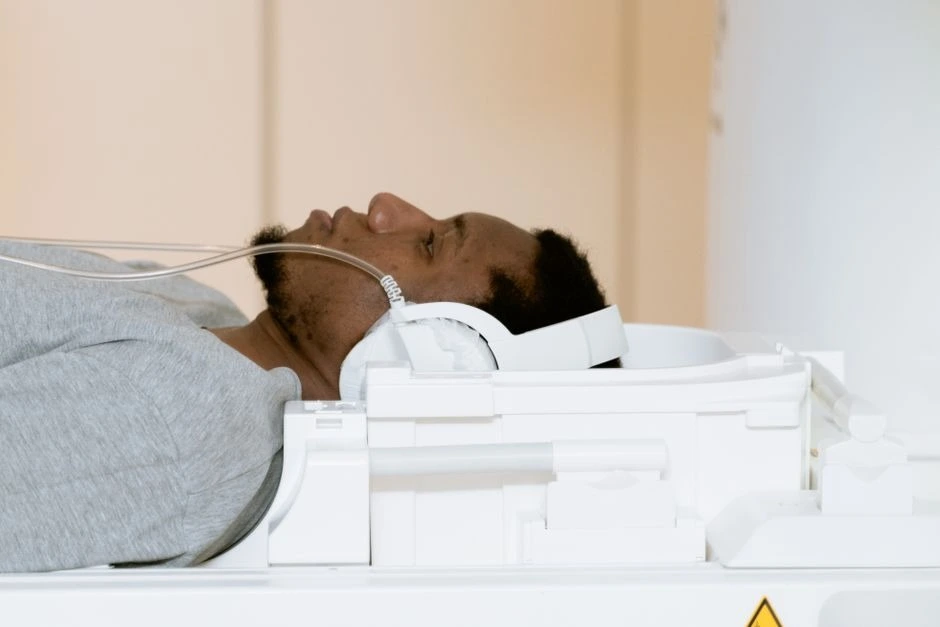
Once your scan is done, the images don’t go straight from the machine to your doctor with a simple yes-or-no note. A radiologic technologist captures the images, checks quality, and uploads them into the imaging system. After that, a radiologist reviews the scan, compares it with earlier studies if available, and creates a formal report.
That report often goes first to the clinician who ordered the test, not directly to you. In many hospitals and outpatient centers, patient portals may show the result only after the report is finalized. If you want a realistic sense of the CT scan results timeline, it helps to think of it as a chain involving image acquisition, interpretation, documentation, and communication rather than one single event.
The average turnaround is shorter than most people expect
A lot of routine CT scans are read within 24 to 48 hours. Some come back the same day, especially in busy systems with digital workflow and dedicated radiology coverage. Emergency department scans can be interpreted within minutes if the clinical situation looks urgent, such as suspected stroke, internal bleeding, or pulmonary embolism.
Routine outpatient scans often move more slowly because they’re triaged differently. Your doctor may also review the findings before discussing them with you, which adds another layer to the wait. A Friday afternoon scan can stretch into Monday or Tuesday if the ordering office is closed on weekends. The scan may already be read, but the final communication to you can still lag behind the radiologist’s report.
Why some scans get read faster than others
Not every CT scan has the same complexity. A straightforward sinus CT is different from a multiphase abdominal scan looking at liver lesions or post-surgical changes. The more anatomy involved and the more clinical questions attached, the more time the radiologist may need for a careful interpretation.
Urgency matters too. Imaging departments use prioritization systems, often called triage queues. If your doctor marks the order as STAT, the scan may jump ahead. If your exam includes contrast, there may be extra protocol review, especially if timing phases matter for vascular or oncologic evaluation. Previous imaging also affects timing. When old scans are stored at another hospital, radiology staff may need to request them before finalizing the impression, since comparison can change the interpretation in meaningful ways.
Patient portals help, but they can also create confusion
Patient portals have changed the waiting experience. You may see your report before your doctor calls, which sounds helpful until you open it and read terms like “indeterminate nodule,” “attenuation,” or “incidental finding.” Radiology language is precise, but it isn’t written for casual reading.
You should also know that portal release rules differ by system. Some hospitals post results immediately after sign-off. Others delay release for a day or longer. A blank portal doesn’t always mean nobody has reviewed your scan. It may just mean the report is still pending transcription, final signature, or institutional release settings. If you do see the report first, pay attention to the “impression” section. That’s the summary clinicians usually scan before reading the full detailed findings.
Small administrative issues can slow everything down
Delays are not always medical. Sometimes they’re logistical. If your insurance authorization came through late, if your order had unclear clinical notes, or if your name or date of birth didn’t match a prior study, staff may need to fix those problems behind the scenes. None of that is visible to you, but it can slow reporting.
Another common bottleneck is communication between different health systems. An independent imaging center may send the report by fax, secure messaging, or electronic interface, and those channels don’t always sync instantly. If your ordering physician is in a separate network, results can sit in an inbox waiting for manual review. In practical terms, this means calling the imaging center and the ordering office can give you very different answers about where the process stands.
When you should follow up instead of just waiting
You don’t need to sit quietly for a week without asking questions. A good rule is to ask at the appointment when results are typically available and who will contact you. If nobody reaches out within that window, call. Be specific: ask whether the scan has been read, whether the report was sent, and whether your clinician has reviewed it.
If your symptoms are worsening, treat that separately from the report delay. New chest pain, trouble breathing, severe headache, neurologic symptoms, or escalating abdominal pain need clinical attention even if the CT report is still pending. Waiting for paperwork in those situations can be risky. Administrative patience and medical urgency are not the same thing, and mixing them up causes avoidable problems.
How to make the waiting period less stressful and more useful
You can make the wait easier by preparing for the follow-up conversation before the result arrives. Keep a short symptom log, write down the reason the scan was ordered, and list any prior imaging you’ve had. That makes your next appointment more efficient and helps you notice whether the scan result actually answers the question that prompted the test.
It also helps to think in categories. A CT scan can confirm a suspected issue, rule out a dangerous one, or uncover an incidental finding that needs separate follow-up. Those are very different outcomes. If you get a call saying the result is “nothing acute,” ask what still explains your symptoms. A non-emergency result doesn’t always mean a clean bill of health. Sometimes it simply narrows the field.
What doctors are looking for when they discuss the result with you
Your clinician usually cares about more than the headline finding. They’re matching the scan to your history, exam, bloodwork, and symptoms. A tiny kidney stone matters differently in a patient with severe pain than in someone who had imaging for another reason. A lung nodule can trigger different next steps depending on age, smoking history, and size thresholds from established guidelines.
That’s why the follow-up discussion matters so much. Ask what was found, what was ruled out, whether anything incidental showed up, and whether you need repeat imaging. If contrast was used, ask whether any lab follow-up is needed in your case. You’ll get more value from the scan when you treat the result as one part of a broader diagnostic workup rather than the entire answer by itself.