
What Is NEC? The Bowel Condition NICU Parents Hear About
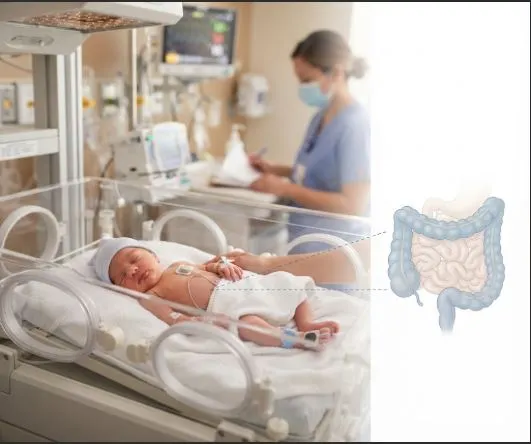
The word usually comes up during a feeding conversation. Your baby arrived early, the NICU team is working out how much milk to try at the next feed and how quickly to build up, and someone mentions they are watching for NEC.
NEC is one of the conditions neonatal teams watch for most closely in very premature babies, and the risk is highest for the smallest and earliest. Babies born near the edge of viability, the 22 to 28 week window explained in this overview of viability week in pregnancy, are the group it affects most often. What follows covers what NEC is, what nurses look for, how it is treated, and why feeding comes up whenever it is mentioned.
What NEC is
Necrotizing enterocolitis is the death of tissue in the intestine. According to MedlinePlus, it occurs most often in premature or sick babies.
The exact cause is unknown. Reduced blood flow to the bowel may damage its lining, and bacteria in the gut may add to that injury. A premature baby’s immune response and intestinal blood supply are still developing, which may leave the bowel less able to cope with either.
NEC usually appears in the first weeks of life, often after feeds have started and are being increased. That timing is part of why NICU teams record each feed so carefully, along with belly size and diaper changes.
Which babies are at higher risk
Prematurity is the biggest factor. MedlinePlus lists these groups as being at higher risk:
- premature babies, particularly those born very early
- babies fed formula rather than human milk
- babies in a nursery where there has been an NEC outbreak
- babies who have received blood exchange transfusions
- babies who have been seriously ill
Very low birth weight overlaps heavily with prematurity, and babies in that range are watched closely for the same reasons. NEC can occur in full-term babies, though it is much less common and is usually linked to another health problem.
Related: Miscarraige risk checker and reassure
The signs nurses watch for
Early signs can be subtle. The symptoms MedlinePlus lists include a bloated belly, blood in the stool, diarrhea, feeding problems, vomiting and a lack of energy. Some babies also have trouble holding a steady temperature, or show changes in breathing, heart rate or blood pressure.
Because several of these can happen for other reasons in a premature baby, nurses look at them together and over time rather than one at a time. If you notice your baby’s belly looking different, or feeds seem to be going differently, mention it to the nurse at the bedside. Parents are often there for long stretches and notice changes too.
How NEC is treated
Treatment depends on how serious the condition is. When NEC is suspected, care usually includes:
- Stopping feeds so the intestine can rest.
- Placing a tube into the stomach to remove air and fluid.
- Giving fluids and nutrition through an IV.
- Starting IV antibiotics.
- Taking abdominal X-rays and blood tests to see whether things are improving.
- Operating if the intestine perforates or the baby does not improve, removing the damaged section and sometimes creating a temporary colostomy or ileostomy.
Many babies improve with medical treatment alone. Babies who need surgery generally face a longer hospital stay and a harder recovery.
Why feeding comes up in every NEC conversation
Human milk helps protect against NEC. In an October 2024 consensus statement, the FDA, CDC and NIH said there is strong evidence that human milk is protective against NEC. That is why NICUs work hard to get a mother’s own milk to her baby, often starting with small amounts of colostrum, and use pasteurized donor milk when supply falls short.
Formula is where the picture gets contested. Very premature babies need more protein and calories than breast milk alone provides, so many NICUs add fortifier to feeds, and some babies receive preterm formula. Many of these products are made from cow’s milk.
Families have sued the two main manufacturers, Abbott, which makes Similac, and Mead Johnson, which makes Enfamil. They allege that cow’s milk-based preterm products raised the risk of NEC and that the companies did not adequately warn about it. The cases have gone in both directions. In August 2026 Abbott agreed to pay $670 million to settle about 2,000 claims without admitting liability, and shortly afterward a federal jury sided with Mead Johnson in the first bellwether trial. Thousands of claims are still pending.
The same federal statement said there is no conclusive evidence that preterm infant formula causes NEC. It also said all infants should be fed as soon as medically feasible, using whatever appropriate nutritious food source is available. For babies without enough human milk, formula remains a necessary part of NICU care.
The outlook after NEC
NEC is serious. MedlinePlus notes that up to 40% of infants who develop it die from it, with the highest risk among the smallest babies and those who need surgery. Complications can include infection of the abdominal lining, sepsis, narrowing of the intestine, liver problems and short bowel syndrome, which can happen when a large section of intestine has to be removed. Some children need specialist nutrition support for a long time afterward.
Many babies do recover. The outlook depends largely on how much of the intestine was affected and how quickly treatment started.
Keeping the feeding record
Before discharge, ask for a copy of your baby’s full NICU record, including feeding logs, fortifier and formula orders, and X-ray reports. It is the clearest account of what your baby received and when, and it is far easier to get close to discharge than years later. For families who later look into what filing a NEC baby formula lawsuit involves, those same records answer the first questions: which product was used, and at what gestational age and weight.