Four Common Mistakes People Make When Facing Knee Surgery
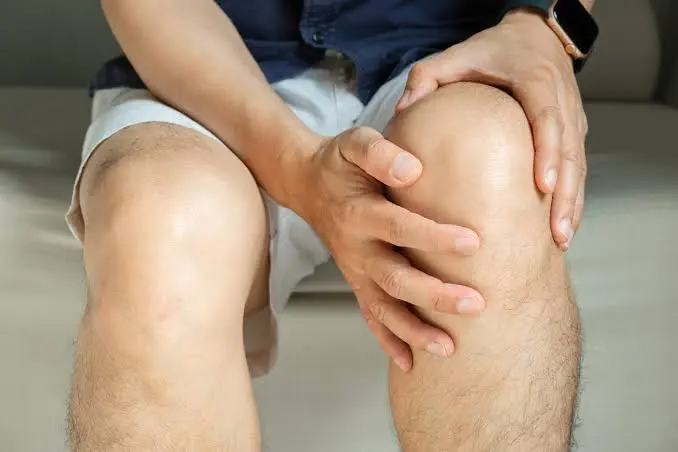
Hearing the phrase “bone-on-bone” from your doctor can feel like a final verdict. It paints a picture of a joint that has failed, leaving total knee replacement as the only logical next step. This diagnosis often puts you on a fast track toward a major surgical procedure, complete with a long recovery, extensive physical therapy, and the inherent risks that come with any operation. The focus narrows so intensely on the surgical solution that other crucial questions get pushed aside.
This pressure to act can lead to critical oversights. Many people, understandably focused on finding relief, don’t realize the full landscape of modern medicine. They may not be aware of the growing number of effective, minimally invasive alternatives to knee replacement that can manage pain and improve function. Exploring these options is not about avoiding a necessary procedure forever, but about making a fully informed choice on your own timeline.
Quick answer: Yes, you can often delay or avoid knee replacement, even with significant arthritis. The key is to shift focus from just the mechanical wear of the joint to the underlying inflammation that actually causes the pain. Several modern, minimally invasive procedures and therapies can provide significant relief by targeting this inflammation directly.
Why Is Focusing Only on “Bone-on-Bone” a Mistake?
This is a mistake because the pain you feel often comes from chronic inflammation, not just the mechanical rubbing of bone.
An X-ray showing “bone-on-bone” is a powerful image. It makes the problem seem purely mechanical, like two stones grinding together. This leads many to believe that the only solution is to replace the worn-out parts. But this view misses a critical part of the story: the biological process that is actually sending pain signals to your brain.
Knee osteoarthritis is not just a disease of wear and tear; it is a disease of inflammation. This condition is widespread, affecting a significant number of adults. The pain, stiffness, and swelling are direct results of the body’s inflammatory response running unchecked within the joint capsule.
Here is what happens inside the joint. Chronic inflammation stimulates the growth of tiny, abnormal new blood vessels and nerves in the joint lining, a membrane called the synovium. This process is called neovascularity. These new nerve endings are highly sensitive and are a primary source of the chronic pain you experience. The bone-on-bone condition is the backdrop, but this inflammatory process is the main event.
❝ A common surprise for patients is that the severity of their X-ray doesn’t always match their pain level. We see people with severe arthritis on film who have manageable pain, and others with mild findings who are in agony. This is because pain is driven by inflammation, which an X-ray doesn’t show.
When the diagnosis focuses only on the mechanical issue, the treatment path narrows quickly to surgery. This has made total knee replacement one of the most common elective procedures; in fact, from 2000–2010, the number of inpatient total knee replacements among adults aged 45+ in the U.S. more than doubled from 3.9 to 8.2 per 1,000 population CDC/NCHS, highlighting how common it is for patients to face decisions and potential mistakes around knee surgery. While effective for many, it’s a major intervention that may not be addressing the primary source of your specific pain. Industry benchmarks tracked by Statista show that patients can face significant wait times for these operations. By shifting the focus to controlling inflammation, you open up a new set of effective, less invasive treatment possibilities.
How Do I Know Which Alternative Is Right for Me?
The right alternative depends on a precise diagnosis of your pain source, your specific functional goals, and the expertise of the specialist you consult.
A successful outcome starts with moving beyond the “bone-on-bone” label to understand what is truly driving your pain. Is it purely mechanical, or is it primarily inflammatory? Answering this requires a thorough evaluation that may include not just X-rays but also an MRI or a detailed physical exam to pinpoint inflammation in the joint lining. Once your specialist understands the mechanism of your pain, you can evaluate options together.
Different treatments target different aspects of knee osteoarthritis. Not every option is suitable for every person. The table below outlines some common non-surgical approaches.
| Treatment Option | Primary Goal | How It Works | Typical Duration of Relief |
| Corticosteroid Injections | Rapid inflammation reduction | A powerful anti-inflammatory steroid is injected directly into the joint space. | A few weeks to a few months |
| Hyaluronic Acid (HA) | Lubrication and cushioning | Injections supplement the joint’s natural fluid to improve shock absorption. | Up to six months |
| Platelet-Rich Plasma (PRP) | Healing and tissue repair | Your own concentrated blood platelets are injected to stimulate the body’s repair processes. | Six months to over a year |
| Genicular Artery Embolization (GAE) | Reduce inflammatory blood flow | Tiny particles block the abnormal arteries feeding the inflamed joint lining, reducing pain signals. | Long-term; often years |
To properly vet a specialist and a recommended procedure, you need to ask detailed questions that go beyond “what are the side effects?”
❝ When you meet with a specialist, ask them to walk you through your imaging films. Ask them to point out the specific areas of inflammation or neovascularity they see. A provider who can clearly connect what they see on an MRI to the specific pain you feel is demonstrating a deeper level of diagnostic expertise.
Here are four critical questions to ask any provider proposing an alternative to surgery:
1. Based on my specific diagnosis, why do you believe this procedure is a better first step for me than the others?
2. What is your specific experience with this procedure? How many have you performed?
3. What are the common outcomes for your patients at three months, one year, and three years?
4. If this treatment does not provide the relief we hope for, what would be the next logical step?
For newer procedures like GAE, it is important to seek out physicians with specific training in interventional radiology. These specialists are board-certified in minimally invasive, image-guided procedures. Medical bodies like the Society of Interventional Radiology establish the standards and training for these advanced techniques. Be cautious of any clinic that presents a single treatment as a cure-all or uses high-pressure tactics to get you to commit quickly.
What Is Actually Happening During a GAE Procedure?
An interventional radiologist uses image guidance to block the tiny, abnormal arteries that feed chronic inflammation in the knee joint lining.
This procedure, called Genicular Artery Embolization or GAE, does not alter the bone or cartilage. Instead, it targets the synovium, the soft tissue that lines the inside of your knee joint. In an arthritic knee, this lining becomes chronically inflamed. It develops a network of new, abnormal blood vessels that bring in inflammatory cells and create hypersensitive nerve endings. GAE works by cutting off the fuel supply to this inflammatory fire.
The process is performed through a tiny puncture, usually in the femoral artery at the top of your thigh. A specialist called an interventional radiologist inserts a very thin tube, known as a microcatheter, into the artery. Using live X-ray imaging for guidance, they navigate this catheter through your body’s network of blood vessels. They guide it directly to the specific genicular arteries that supply the inflamed part of your knee.
Once the catheter is in position, the radiologist injects microscopic spheres, each smaller than a grain of sand. These particles flow into the abnormal blood vessels and block them. This process, called embolization, dramatically reduces the blood flow to the inflamed synovium. The main, healthy circulation to the rest of your knee remains untouched. By calming the inflammation, the procedure also quiets the overactive nerve endings, which provides significant pain relief.
❝ Patients often ask if we are “killing” part of their knee. The answer is no. We are selectively pruning the abnormal, newly grown blood vessels that only exist because of chronic inflammation. The knee’s primary, healthy blood supply remains completely intact. It’s more like weeding a garden than cutting down a tree.
Because the entire procedure is done through a pinprick-sized entry point and does not involve any cutting of muscle or bone, recovery is very fast. Most people go home the same day and can resume normal activities within a day or two. The goal is to break the cycle of inflammation and pain, allowing you to regain function and delay or even avoid a major surgery.
The Path Forward Is a Better Diagnosis, Not Just a Different Procedure
The single most common mistake in navigating chronic knee pain is accepting an incomplete diagnosis. A “bone-on-bone” X-ray explains the condition of your cartilage, but it often fails to explain the intensity of your pain. The crucial takeaway is that pain is frequently driven by chronic inflammation in the joint lining, a biological process that mechanical surgery may not be designed to address. Analysis of total knee replacement outcomes, for example, shows that patients with severe preoperative pain and poor function are less likely to report a ‘successful’ outcome after surgery NIH/National Library of Medicine (PMC), illustrating the mistake of delaying surgery until knee pain and disability are extreme.
This understanding changes the entire conversation. Instead of simply searching for surgical alternatives, your goal should be to find a specialist who can precisely identify the source of your pain. Is it primarily from the inflamed synovium, or is it from mechanical instability? A clear answer to that question is the most valuable tool you can have. It dictates which treatments, from injections to embolization, are most likely to succeed.
Ultimately, taking control of your knee pain means demanding a more specific diagnosis. By shifting your focus from the state of your cartilage to the source of your inflammation, you empower yourself to explore targeted, less invasive options. This approach allows you to treat the problem that is actually causing your symptoms, preserving your natural joint and improving your function for the long term.
Conclusion
In summary, navigating chronic knee pain effectively requires moving beyond a superficial diagnosis to understand the underlying inflammatory processes. By seeking precise diagnostic insights and exploring the full spectrum of modern, minimally invasive treatments, individuals can make informed decisions that align with their long-term health goals, potentially delaying or avoiding major surgery while significantly enhancing their quality of life.
Frequently Asked Questions
What happens if I delay or choose not to have a knee replacement? Delaying surgery does not mean you are simply letting the joint deteriorate. The goal of pursuing alternatives is to actively manage the underlying inflammation that causes pain and limits function. By controlling inflammation, you can often slow the progression of symptoms, maintain your quality of life, and keep a future knee replacement as an option for much later, if it’s needed at all.
Can these alternatives work even if I have a “bone-on-bone” diagnosis? Yes, because many of these treatments are not trying to regrow cartilage. Instead, they target the inflamed joint lining (synovium) where the pain signals originate. Procedures like Genicular Artery Embolization reduce the abnormal blood flow that feeds this inflammation, calming the hypersensitive nerves. Your pain can decrease significantly even if the X-ray image of the joint space remains the same.
Will trying an alternative procedure make a future knee replacement more difficult? Minimally invasive procedures like PRP injections or GAE typically do not “burn any bridges” for future surgery. They do not alter the bone or the major ligaments an orthopedic surgeon needs to work with. This is a key advantage, as it allows you to seek pain relief now without compromising your surgical options for the future should you eventually need them.
How do doctors determine the true source of my knee pain? A thorough diagnosis goes beyond a standard X-ray. A specialist may use an MRI to look for synovitis, which is inflammation of the joint lining, or bone marrow lesions. In some cases, a diagnostic genicular nerve block may be used. This involves temporarily numbing the specific nerves that transmit pain from the knee to see if your pain disappears, confirming those nerves are the primary source.
Are the results from these procedures immediate? It depends on the treatment. A corticosteroid injection can provide relief within days, but it is often temporary. Procedures that target the biological source of inflammation, like GAE, take longer to show their full effect. Pain relief typically begins within a few weeks as the inflammation subsides, with continued improvement over the next several months.