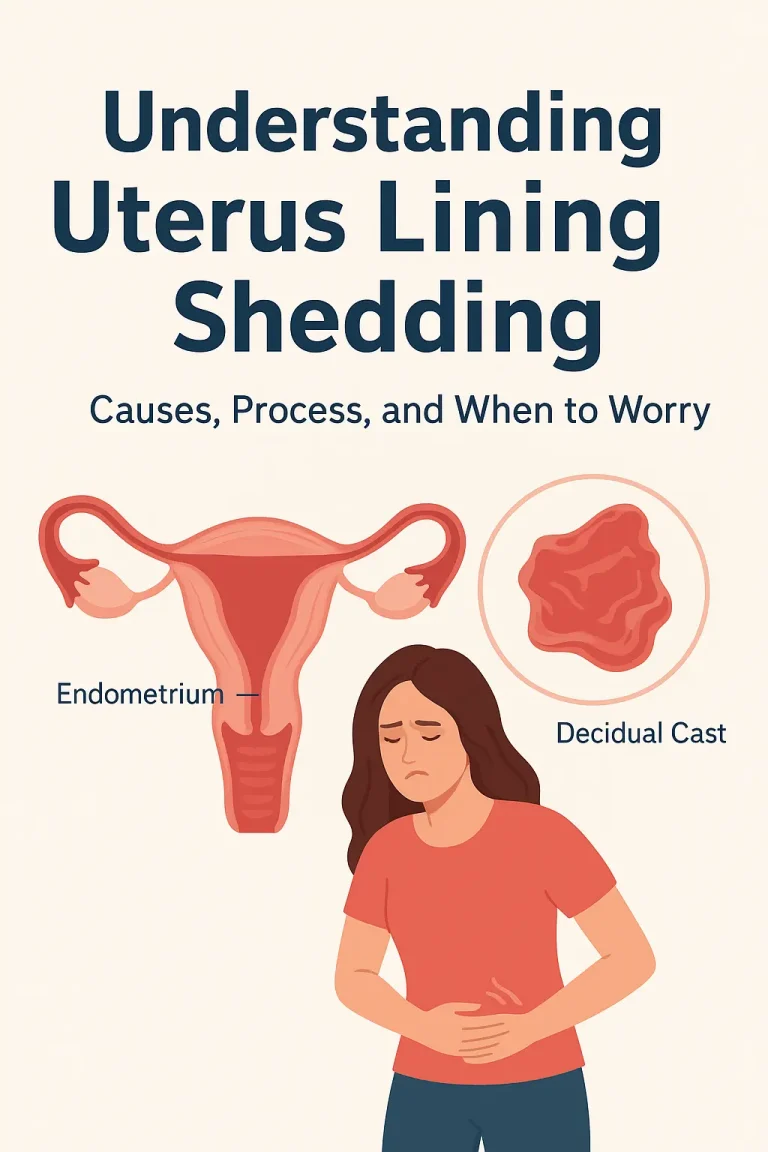
Decidual Cast Perimenopause: Should You Be Concerned?
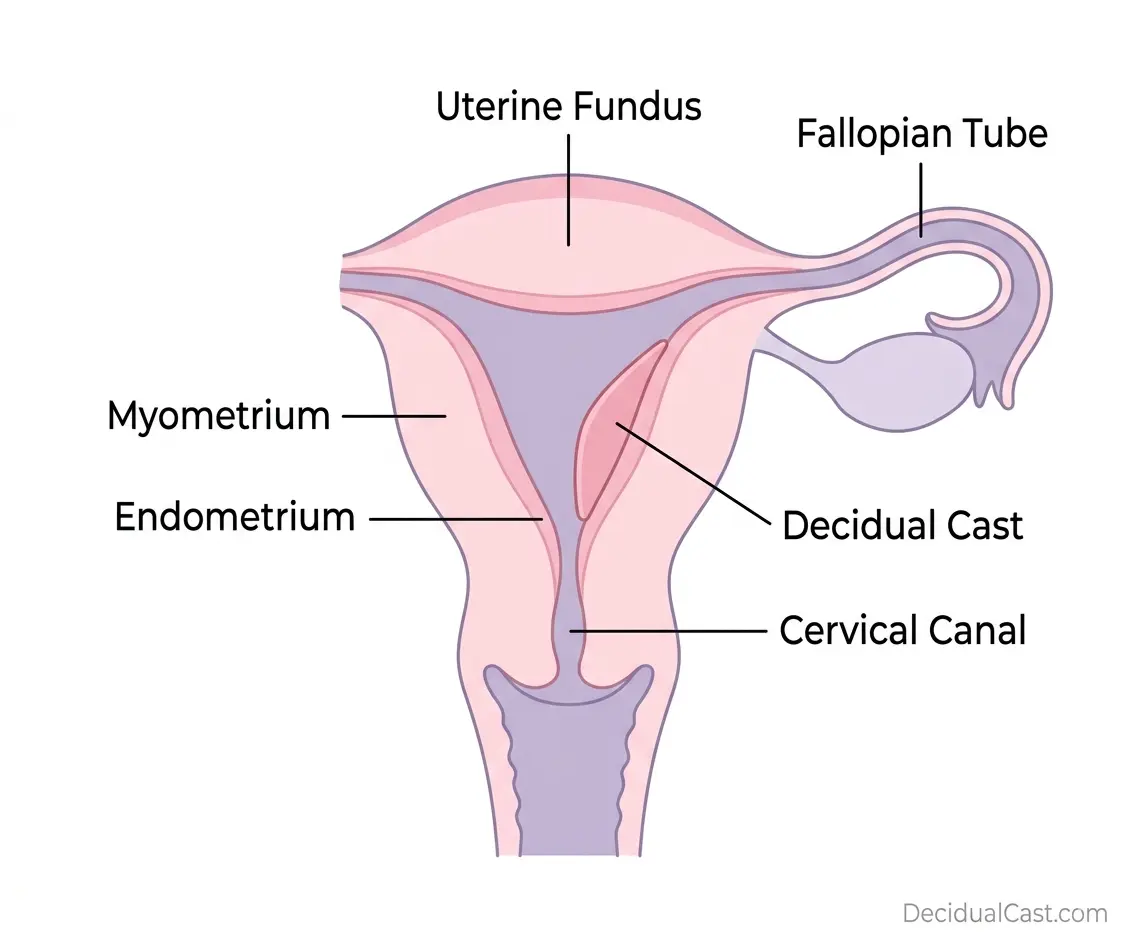
Yes, perimenopause can be linked to a decidual cast due to hormonal fluctuations, especially changes in progesterone. It is rare and usually not dangerous, but medical evaluation is recommended to rule out pregnancy-related conditions.
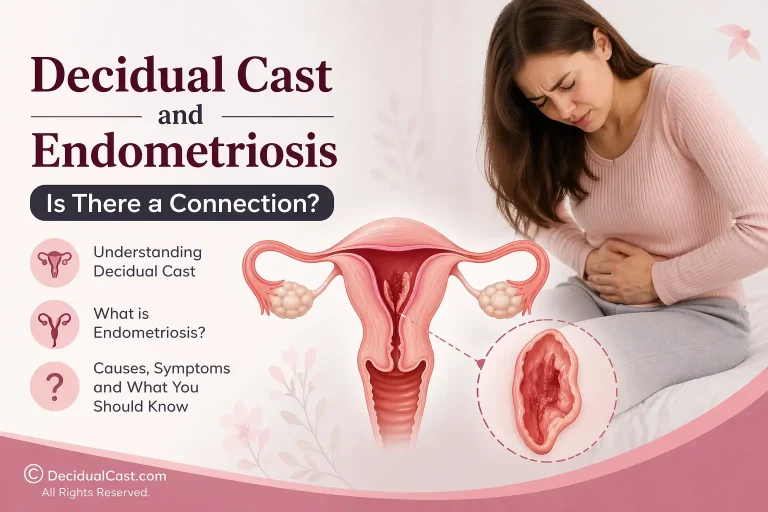
Perimenopause can feel unpredictable. One month your cycle seems normal, and the next month your body does something completely unexpected. Among these changes, a rare but alarming event is a decidual cast during perimenopause, where the uterine lining sheds in one complete piece.
This condition often connects to hormonal imbalance, particularly shifts in progesterone and estrogen. While the experience can look dramatic and feel intense, understanding what’s happening inside your body can help you stay calm and make informed decisions.
Hormonal fluctuations during perimenopause can affect how the uterine lining sheds, sometimes leading to rare conditions like a decidual cast.
Key Takeaways
- A decidual cast during perimenopause is rare but possible due to hormonal fluctuations.
- It occurs when the uterine lining sheds in one complete piece.
- Symptoms often include severe cramping and sudden tissue passage.
- It is usually not dangerous but can mimic miscarriage symptoms.
- Medical evaluation helps rule out serious conditions like ectopic pregnancy.
What Is a Decidual Cast?
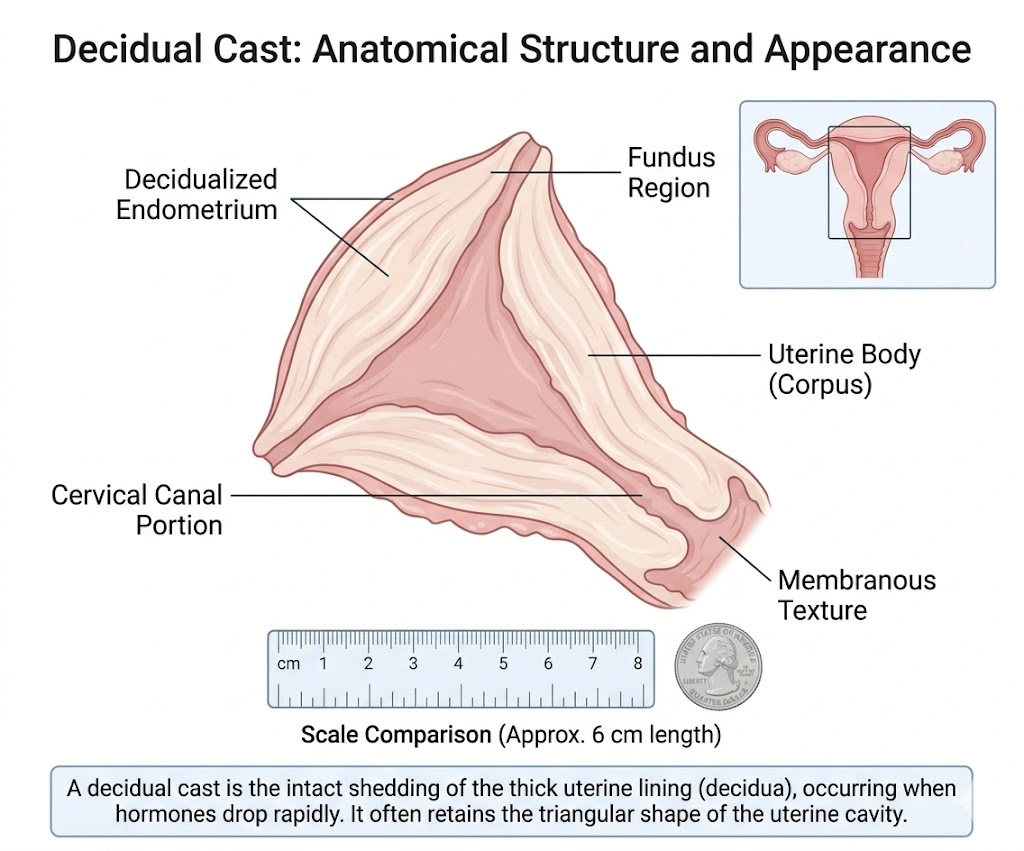
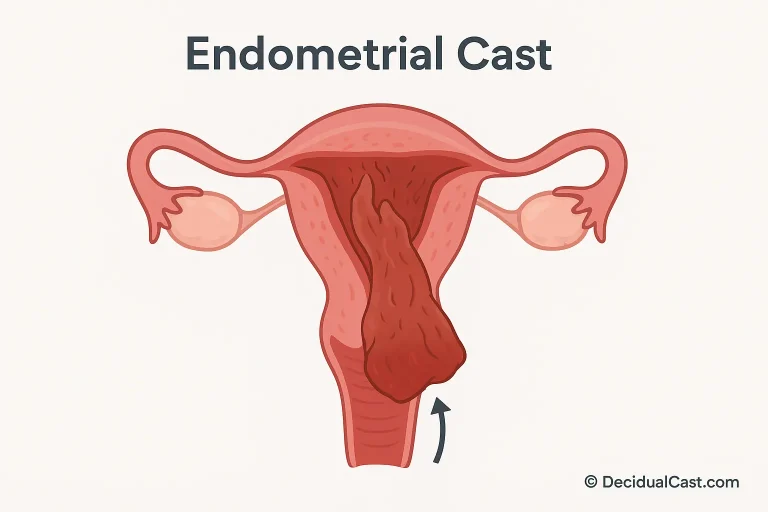
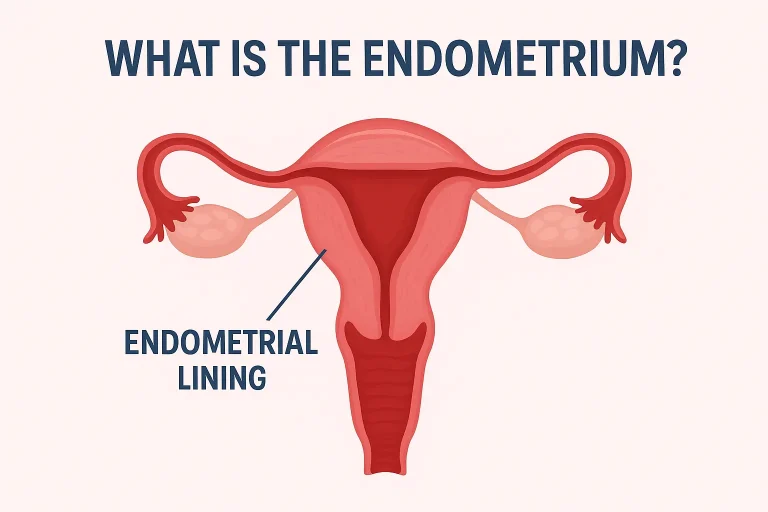
A decidual cast occurs when the endometrium (uterine lining) sheds all at once as a single piece instead of breaking down gradually during menstruation.
In normal cycles:
- The lining sheds slowly
- Blood and tissue pass over several days
In a decidual cast:
- The lining remains intact
- It exits the uterus in one structured piece
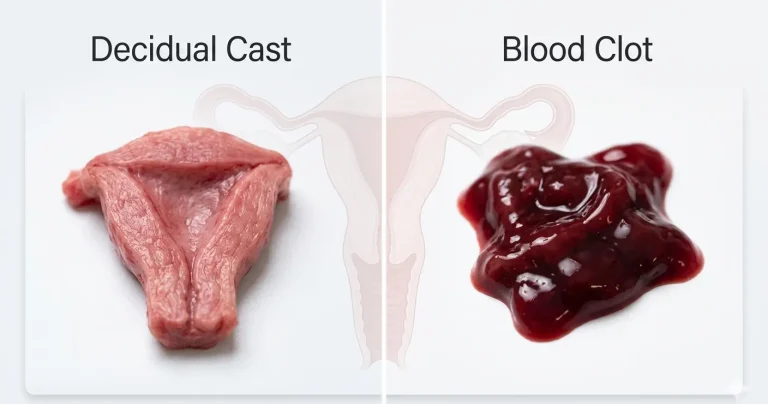
Some clinicians refer to this as membranous dysmenorrhea. The tissue often appears triangular because it reflects the shape of the uterine cavity.
Learn more in our guide on decidual cast symptoms.
What Is Perimenopause?
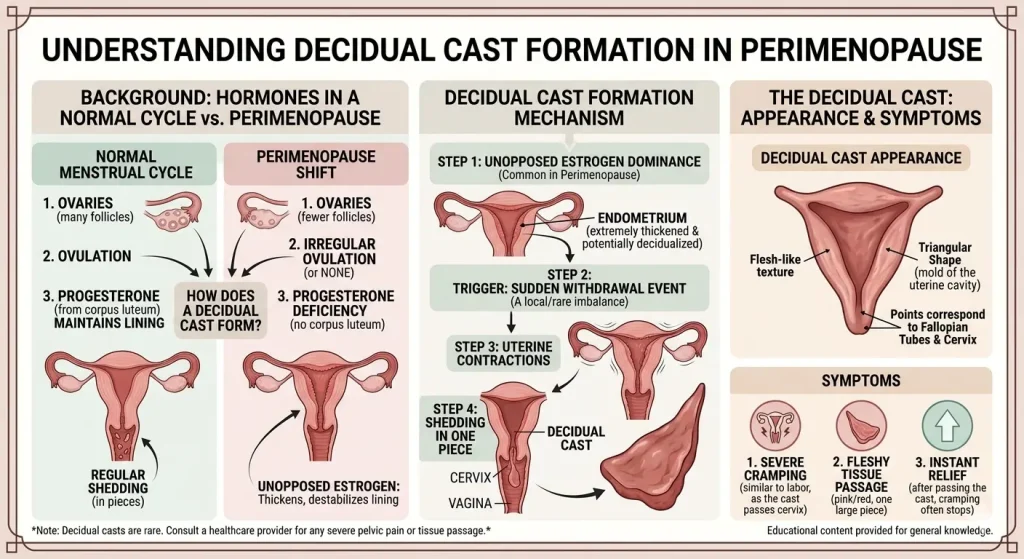
Perimenopause is the transition phase before menopause, usually starting in the late 30s to 40s. During this time, hormone levels — especially estrogen and progesterone — fluctuate unpredictably.
This hormonal chaos affects:
- Menstrual cycles
- Ovulation patterns
- Uterine lining behavior
And yes, this is where things get interesting (and sometimes confusing).
What Happens During Perimenopause?
Perimenopause is the transitional phase before menopause. It usually begins in the late 30s or 40s and involves significant hormonal fluctuations.
Key changes include:
- Irregular ovulation
- Fluctuating estrogen levels
- Unpredictable progesterone patterns
These hormonal shifts directly affect how the uterine lining builds and sheds. As a result, menstrual cycles may become heavier, lighter, or irregular.
Can Perimenopause Cause a Decidual Cast?
Yes — but it’s important to be precise.
These hormonal shifts are similar to other known triggers—learn more about what causes a decidual cast in detail.
Perimenopause does not directly cause a decidual cast. However, it may create conditions where it becomes more likely due to hormonal instability.
Here’s how:
- Progesterone rises or falls unpredictably
- The uterine lining becomes unusually thick or stable
- A sudden hormonal drop triggers rapid shedding
Instead of breaking apart, the lining may detach as one piece.
This process aligns with what medical sources describe as abnormal endometrial shedding due to hormonal shifts.
What Happens During a Decidual Cast?
- Hormonal imbalance affects the uterine lining.
- The endometrium thickens and stabilizes.
- Progesterone levels drop suddenly.
- The uterus contracts to expel the lining.
- The tissue passes as a single piece or large fragment.
- Symptoms improve quickly after passage.
Decidual Cast Perimenopause Symptoms
The symptoms can feel intense and often appear suddenly.
Common signs include:
- Severe, sharp cramping
- Pelvic or lower abdominal pain
- Passing a large piece of tissue
- Heavy bleeding before or after
- Nausea or dizziness
Many people notice that the pain improves quickly after the tissue passes.
For a detailed breakdown, see what does a decidual cast look like.
Symptom Severity Guide
| Symptom | Typical Severity |
|---|---|
| Cramping | Moderate to severe |
| Bleeding | Heavy initially, then reduces |
| Tissue passage | Sudden and noticeable |
| Pain duration | Short-lived (few hours to a day) |
Decidual Cast vs Perimenopause Bleeding
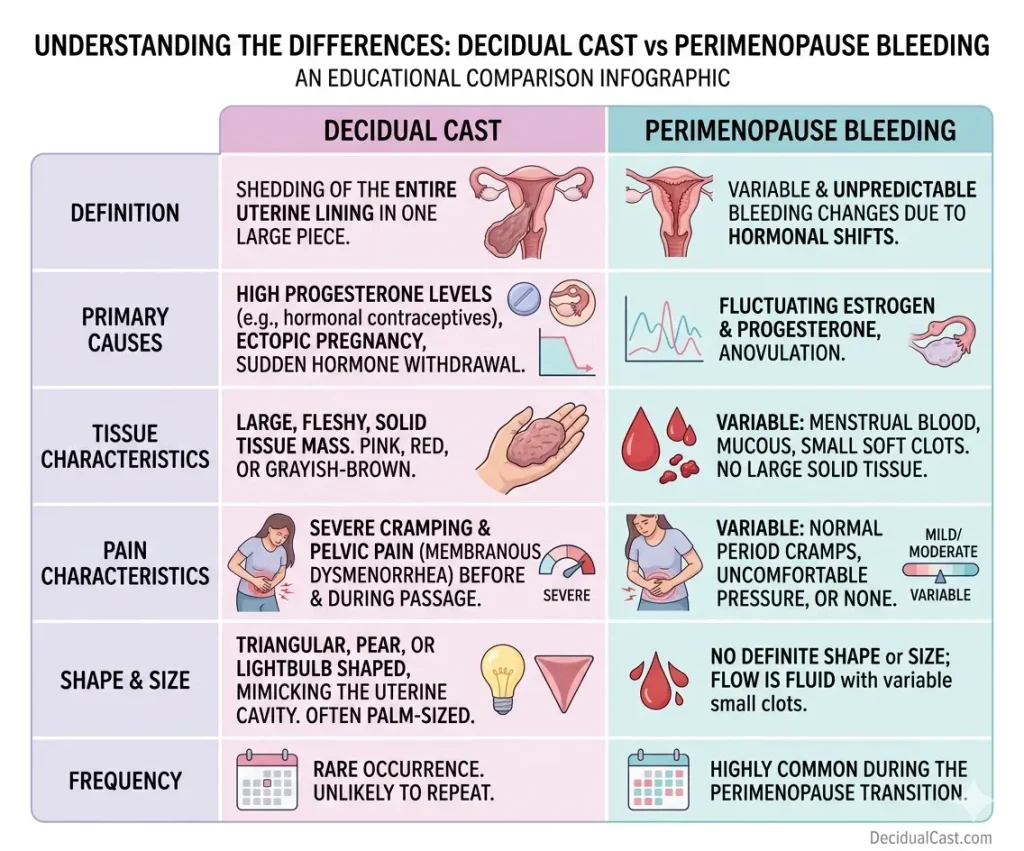
Not all heavy or unusual bleeding during perimenopause is a decidual cast. Here’s how they differ:
| Feature | Decidual Cast | Perimenopause Bleeding |
|---|---|---|
| Tissue | Single solid piece | Clots and flow |
| Shape | Structured, uterus-like | Irregular |
| Pain | Sudden, intense | Variable |
| Frequency | Rare | Common |
This distinction matters because the appearance of a decidual cast can resemble other conditions.
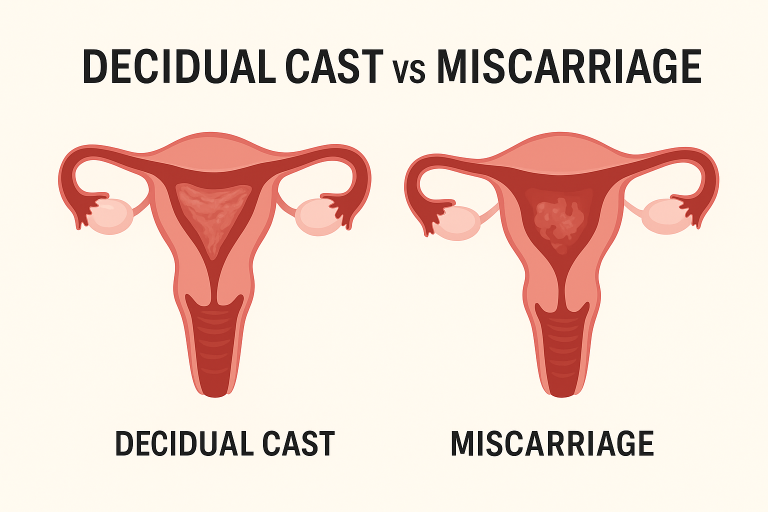
You can compare with decidual cast vs miscarriage for more clarity.
What Causes a Decidual Cast in Perimenopause?
Several factors may contribute:
1. Hormonal Imbalance
Fluctuations in estrogen and progesterone disrupt normal shedding patterns.
2. Sudden Progesterone Drop
A rapid decline may trigger the entire lining to detach at once.
3. Birth Control Use
Hormonal contraceptives can influence progesterone levels.
Read more: can birth control cause decidual cast
4. Early Pregnancy Changes (Rare)
In rare cases, similar symptoms may occur with pregnancy-related conditions.
What Should You Do If It Happens?
If you experience something unusual, take a calm and practical approach:
- Stay calm — it often looks worse than it is
- Monitor your symptoms
- Take a pregnancy test if unsure
- Track bleeding and pain levels
- Contact a healthcare provider if symptoms feel severe
This step-by-step response helps you stay in control and avoid unnecessary panic.
When Should You See a Doctor?
You should seek medical advice if:
- Pain is severe or worsening
- Bleeding is unusually heavy
- You feel dizzy or faint
- You might be pregnant
Doctors often evaluate symptoms to rule out:
- Ectopic pregnancy
- Miscarriage
- Hormonal disorders
In most cases, the visit provides reassurance.
When Should You Be Concerned?
- Severe or worsening pelvic pain
- Heavy bleeding lasting more than a few days
- Dizziness or fainting
- Positive pregnancy test or possible pregnancy
Seek medical attention immediately if these symptoms occur.
Does a Decidual Cast Affect Fertility?
No — a decidual cast does not affect long-term fertility.
The uterine lining regenerates naturally, and reproductive function continues as normal. Even during perimenopause, fertility changes are related to age and ovulation patterns, not this event.
Can It Happen Again?
Most reported cases suggest that a decidual cast happens once. However, medical data on recurrence is limited.
For many people, it remains a one-time experience.
Recovery Timeline
- Day 1: Severe cramping and tissue passage
- Day 2–3: Pain decreases, light bleeding continues
- Day 4–7: Symptoms mostly resolve
- Next cycle: Menstrual pattern returns to normal
Myths vs Facts
- Myth: A decidual cast means menopause is near
Fact: It reflects hormonal changes, not menopause timing. - Myth: It is always dangerous
Fact: It is usually benign but should be evaluated. - Myth: It happens often in perimenopause
Fact: It is rare even during hormonal transitions.
Final Thoughts
A decidual cast during perimenopause can feel shocking, especially if you’ve never heard of it before. But in most cases, it is rare, temporary, and not dangerous.
The real key is understanding your body. Perimenopause brings hormonal shifts that can change how your cycle behaves — sometimes in unexpected ways.
If you’re unsure whether your symptoms are normal, it’s important to know when to seek medical advice.
If something feels off, trust your instincts and seek medical advice. But remember, not every unusual symptom signals a serious problem.
Frequently Asked Questions
Can perimenopause cause a decidual cast?
Yes, hormonal fluctuations during perimenopause may contribute to rare cases of decidual cast formation.
Is decidual cast common during perimenopause?
No, it is considered rare.
Does it mean menopause is near?
No, it reflects hormonal changes, not menopause timing.
Can hormonal imbalance cause unusual tissue shedding?
Yes, hormone fluctuations can affect how the uterine lining sheds.