Can Birth Control Cause a Decidual Cast? A Complete, Evidence‑Based Guide
Quick answer: Birth control can very rarely be linked to a decidual cast, where the uterine lining sheds as a single piece, but it is usually benign. Most users never experience this, though severe cramps or heavy bleeding should be checked by a doctor.
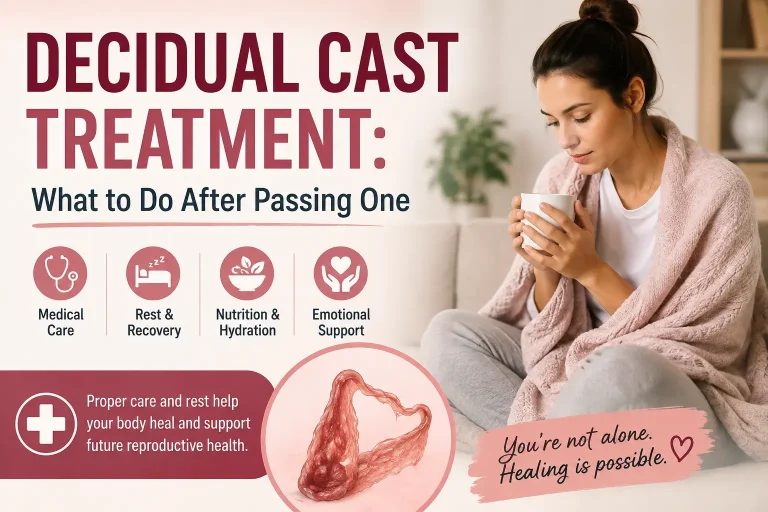
Most people who menstruate have heard about cramps and heavy bleeding — but if someone told you they passed an entire sheet of uterine lining, your first reaction might be, “Wait… what?” That’s exactly what happens with a decidual cast — a rare event where the uterine lining (decidua) sheds all at once in one large piece instead of breaking down gradually through the menstrual period.
If you use hormonal birth control and are wondering whether it can cause a decidual cast, you’re in the right place. This article will unpack the science, separate myths from facts, and help you understand the role (if any) that birth control plays in this unusual but real phenomenon.
What Is a Decidual Cast?
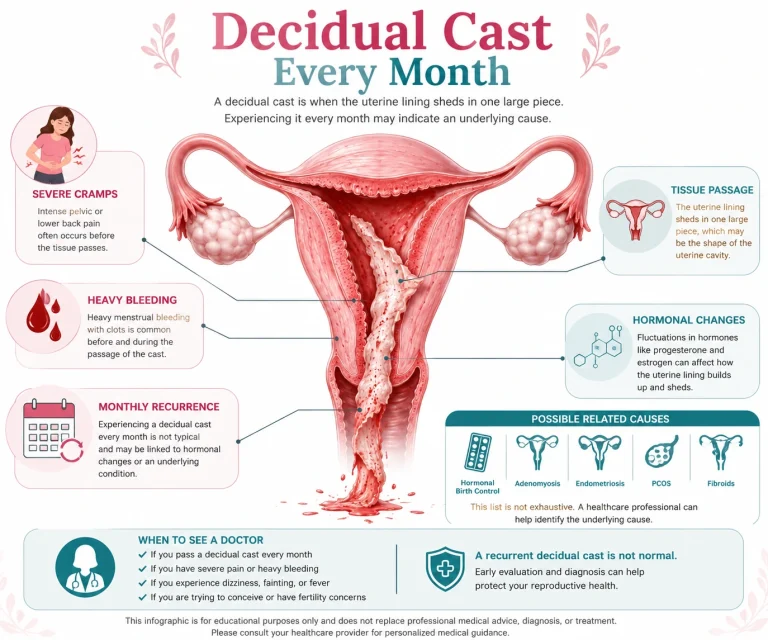
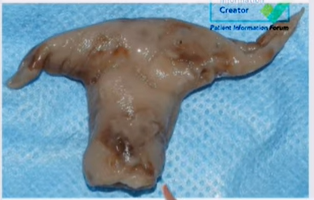
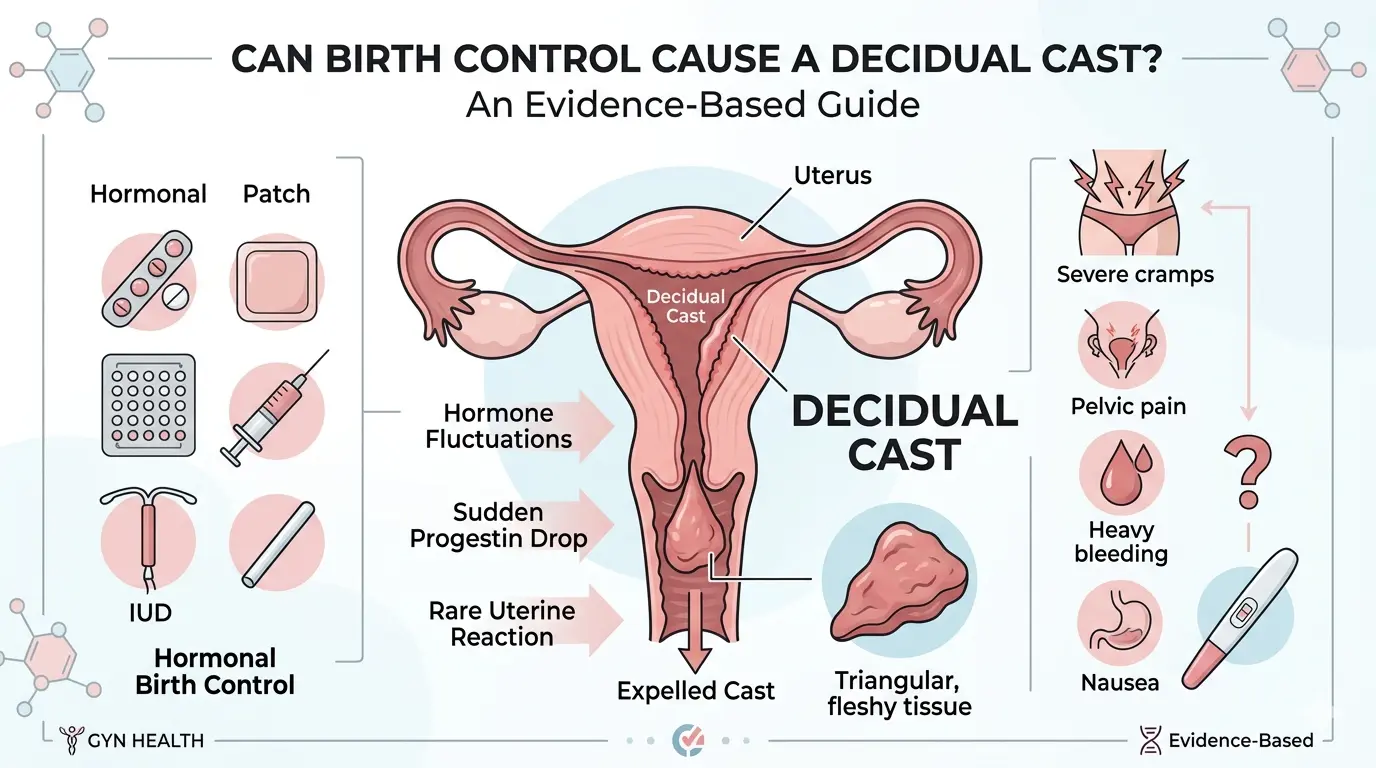
A decidual cast happens when the thickened lining of the uterus is expelled as a solid piece of tissue that often retains the triangular or inverted‑pear shape of the uterine cavity. This is very different from a regular menstrual flow, which consists of blood and small fragments of tissue shed over several days.
Medical professionals sometimes call this membranous dysmenorrhea — and yes, it can look dramatic and feel intense, but it isn’t the same as a miscarriage.
It’s important to understand that everybody’s body is different, and a decidual cast is quite uncommon — which means we don’t have huge population studies on it. However, the medical literature and expert sources provide clues about what may trigger it.
How Birth Control Affects the Uterus
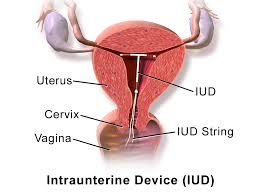
Hormonal birth control — whether pills, patches, injections, implants, or hormonal IUDs — works by altering hormone levels, particularly progesterone and estrogen. These hormones are key players in how the uterine lining builds up and breaks down each month.
Normally:
- Estrogen helps thicken the lining.
- Progesterone stabilizes it in preparation for pregnancy.
- If pregnancy doesn’t occur, progesterone drops slowly and the endometrium sheds in bits over several days.
But with hormonal contraceptives, especially those with progestin (a synthetic form of progesterone), the hormone levels don’t follow the same natural rhythm. Some evidence suggests that this can lead to an abnormal buildup or sudden withdrawal of hormones, which in rare cases can contribute to abnormal shedding patterns such as a decidual cast.
Can Birth Control Cause a Decidual Cast?
The Short Answer
Yes — but it’s not a strong or certain cause.
Thousands of people use hormonal contraceptives without ever experiencing this. Still, there are cases and medical reports where decidual casts occurred in people using or soon after stopping hormonal birth control.
The Medical Perspective
Most reputable health sources list hormonal contraceptives — in particular progestin‑based methods — as a possible association with decidual casts, though not a proven cause.
Some studies and case reports have observed:
- Decidual casts appearing after starting progestin‑based oral contraceptives
- Occurrence after stopping certain hormonal contraceptives like pills or implants
- Possible links with high‑dose progestins or sudden hormonal changes
The reason is likely hormonal — if progesterone levels rise or fall quickly, the uterine lining may become overly decidualized (very thick and gland‑rich), and when those hormones drop, the entire layer may detach in one sheet.
However, no large clinical trials have shown that birth control directly causes decidual casts. The evidence comes mainly from case studies — small snapshots published in medical journals rather than large‑scale data.
So Should You Worry About Your Birth Control?
Absolutely not automatically — and here’s why:
- Decidual casts are extremely rare. Even medical texts report only a handful of documented cases overall.
- Most people on hormonal contraceptives never experience this.
- Having a decidual cast once doesn’t mean your contraceptive is unsafe.
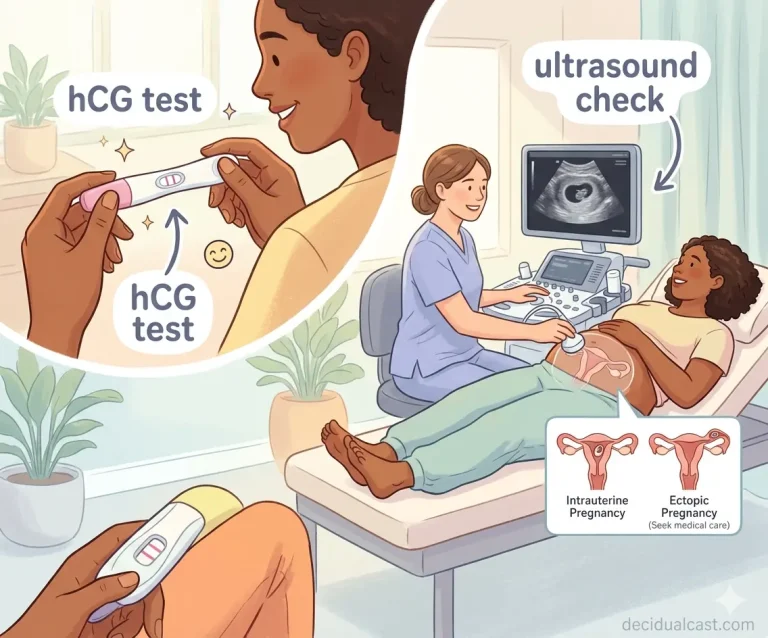
- Many doctors agree that if your symptoms are concerning or unusual, you should talk to a healthcare provider to rule out other conditions such as ectopic pregnancy or miscarriage.
If you experience severe cramping or heavy bleeding, especially if you suspect a decidual cast or are changed with birth control recently, a medical check is a smart move — just to make sure nothing serious is happening.
How Often Does This Really Happen?
There’s no clear number, and that’s part of the mystery. Some researchers say decidual casts are “rare,” while some patient communities online feel they may be underreported because people don’t always seek medical care or talk about it publicly.
What we do know:
- Case reports exist (e.g., after stopping oral contraceptives in adolescents).
- There’s no reliable statistic of prevalence in the general population.
- Experts believe that if it happens, it’s most likely once in a lifetime for most people.
Symptoms: What to Watch For
Symptoms of a decidual cast can feel dramatic — because they involve the sudden passage of tissue and intense uterine contraction. Common symptoms include:
- Severe cramps more intense than usual period pain
- Heavy vaginal bleeding
- Passing a large piece of fleshy tissue
- Nausea or dizziness
- Pain relief after the cast passes
These may overlap with other conditions, so if you’re ever unsure, the safest course is to consult a provider.
Myths vs. Facts
Here are a few facts related to hormonal birth control and decidual casts:
❌ Myth:
Birth control causes decidual casts in everyone who uses it.
✅ Fact:
Hormonal contraception is associated with some cases but is not proven to be a cause.
❌ Myth:
Decidual casts are always dangerous.
✅ Fact:
They are usually benign, but medical evaluation is recommended to rule out other conditions.
When to Seek Medical Help
Contact a healthcare provider if:
- Symptoms are extreme or do not resolve
- You’re unsure if what you passed was a decidual cast
- There’s a possibility you’re pregnant
- You have unusual bleeding after stopping birth control
Always better safe than sorry.
Some cases can feel severe, raising concerns about safety—here’s what you need to know.
Conclusion: Should Birth Control Users Be Concerned?
In plain language: hormonal birth control might play a role in rare instances of decidual cast formation, mainly because it changes hormone patterns. However, the evidence does not support that birth control is a common or definitive cause — and most people on birth control will never experience this.
If you’ve had a decidual cast and use hormonal contraceptives, it’s worth talking with your healthcare provider. But don’t assume birth control is unsafe on that basis alone.
Medical Sources & Further Reading
- Cleveland Clinic: Decidual Cast overview and causes.
- Healthline: Conditions and associations with hormonal contraceptives.
- MedicalNewToday: How decidual casts form and the role of hormones.
- Case reports on decidual casts and contraceptive use.
Final Thoughts
While it’s understandable to be worried about something that sounds unusual or scary, the real risk of a decidual cast from birth control is very low. Most hormonal contraceptive users will never experience this, and when it does happen, it’s usually not dangerous — just surprising.
If you want clear answers tailored to your situation, a gynecologist can help you interpret symptoms or adjust your contraceptive method if needed.
Disclaimer: This guide is for educational purposes only and does not constitute medical advice. If you are experiencing severe pain or abnormal bleeding, consult a healthcare provider immediately.