Uterine Lining Shedding: Causes, Symptoms, Hormones & When to Worry

Uterine lining shedding is the natural process where your body removes the inner layer of the uterus when pregnancy does not happen. This is a normal part of the menstrual cycle, and it usually happens every month.
But here is something important you should know—this process is not exactly the same for everyone. Some people have light bleeding, while others have heavy flow or more pain. Understanding this helps you know what is normal for you.
Sometimes, bleeding patterns change or become unusual. This can be a sign of abnormal uterine bleeding. In rare cases, a condition called a decidual cast can also happen, where the lining comes out in one solid piece.
To understand all of this properly, you first need to understand the endometrium and how it works. This is the key to real menstrual health knowledge.
What Is Uterine Lining Shedding?
Definition of the uterine lining (endometrium)
The uterine lining is called the endometrium. It is the soft inner layer inside your uterus. It plays a very important role in reproduction.
Each month, this lining prepares for a possible pregnancy. If pregnancy does not happen, the lining is no longer needed.
What happens during shedding?
During the cycle, the endometrium becomes thick due to hormones. When hormone levels drop, the body starts breaking it down.
This broken tissue leaves the body through the vagina as blood. That is what you see during your period.
Is uterine lining shedding normal?
Yes, it is completely normal. This is how your reproductive system resets every month.
However, not all bleeding is normal. If flow is too heavy, too irregular, or too painful, it may be abnormal shedding.
Small clots or mild changes in flow can still be normal. But sudden or extreme changes should not be ignored.
Understanding the Menstrual Cycle and Endometrial Changes
Phase 1: Menstrual phase
This is when the uterine lining sheds. Blood, tissue, and mucus leave the body.
It usually lasts a few days. Cramping is also common during this phase.
Phase 2: Follicular (proliferative) phase
After bleeding stops, estrogen helps rebuild the lining. The uterus prepares again for a possible pregnancy.
Phase 3: Ovulation
An egg is released from the ovary. Hormones rise and the body becomes ready for fertilization.
Phase 4: Luteal (secretory) phase
Progesterone stabilizes the uterine lining. This is called decidualization, where the lining becomes more supportive for pregnancy.
What happens if pregnancy does not occur?
If the egg is not fertilized, hormone levels drop. This signals the body to break down the lining again.
Then the cycle restarts with menstruation.
The Science Behind Uterine Lining Shedding
Role of hormones
Hormones control everything in this process.
Estrogen
Estrogen helps build and thicken the uterine lining each month.
Progesterone
Progesterone keeps the lining stable and ready for pregnancy.
Prostaglandins
These chemicals trigger uterine contractions. That is what causes cramps during periods.
Hormonal imbalance
When hormones are not balanced, shedding can become irregular. This may cause heavy bleeding, missed periods, or spotting.
What Does Uterine Lining Shedding Look Like?
Normal appearance
Normal period blood can change in color from bright red to dark brown. This is normal.
You may also see small clots or soft tissue pieces. These are parts of the uterine lining.
Tissue vs blood clots
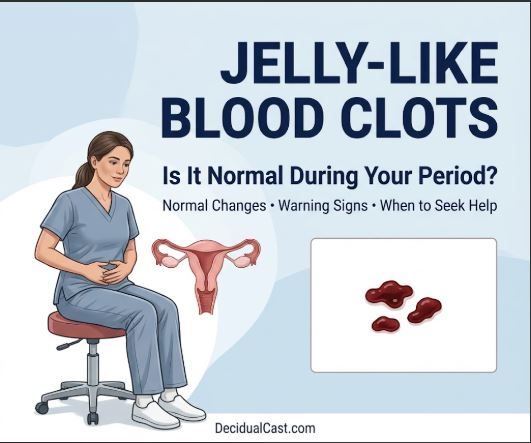
Blood clots are thick and jelly-like. Tissue pieces are more solid and stringy.
Sometimes people confuse both, but they are not the same.
Appearance
Many online pictures of periods can look scary. But avoid self-diagnosing based on images alone. Every body is different.
Common Symptoms During Uterine Lining Shedding
Physical symptoms
You may feel cramps in your lower belly. Fatigue and back pain are also common.
Some people also feel bloated or heavy.
Emotional symptoms
Mood swings are normal during this time. You may feel irritated, sad, or emotional.
This is due to hormone changes, not your personality.
Gastrointestinal symptoms
Some people feel nausea or changes in digestion. Appetite may also increase or decrease.
How Long Does Uterine Lining Shedding Last?
Typical duration
Most periods last between 3 to 7 days. Flow is usually heavier at the start and lighter at the end.
Heavy or prolonged bleeding
Bleeding is not normal if it lasts more than 7–8 days often. Very heavy flow can also be a warning sign.
Normal blood loss
Most people lose a small amount of blood overall. If you are soaking pads very quickly, that may be excessive.
Abnormal Uterine Lining Shedding
Warning signs
You should pay attention if you have very heavy bleeding, severe pain, or bleeding between periods.
Sudden changes in cycle pattern are also important.
Abnormal uterine bleeding (AUB)
This is a medical term for unusual bleeding patterns. It often happens due to hormone or uterine problems.
Simple classification idea
Doctors group causes into structural and non-structural reasons. These include fibroids, hormonal issues, or ovulation problems.
Conditions Linked to Uterine Lining Shedding
Some health conditions can affect your periods.
These include fibroids, adenomyosis, endometriosis, and PCOS. Hormonal imbalance is also very common.
Pregnancy-related issues like miscarriage or implantation bleeding can also cause changes.
Decidual Cast: Shedding the Lining All at Once
What is it?
A decidual cast is when the uterine lining comes out in one solid piece.
What it looks like
It may look like a thick tissue shaped like the uterus. This can be scary but is rare.
Symptoms
It often causes strong cramps and sudden heavy bleeding.
Causes
It can happen due to hormonal changes or birth control use.
Is it dangerous?
Usually, it is not life-threatening. But you should still see a doctor if it happens.
Uterine Lining Shedding Without Blood
Sometimes, shedding happens with very little blood.
This can occur due to birth control, stress, or a thin uterine lining. It can also happen in perimenopause.
Uterine Lining Shedding Outside Your Period
Sometimes bleeding happens outside normal periods.
This may include ovulation spotting or hormonal fluctuations. In pregnancy, any bleeding should be checked carefully.
How Doctors Diagnose Abnormal Shedding
Doctors may check your symptoms and medical history first. Then they may do an ultrasound or blood tests.
Hormone testing and sometimes endometrial biopsy are used. These help find the real cause.
Treatment and Management Options
Lifestyle changes
Heat pads, rest, hydration, and light exercise can help.
Medicines
Pain relievers, hormonal birth control, or tranexamic acid may be used.
Surgery
In some cases, fibroid removal or other procedures may be needed.
Long-Term Effects of Abnormal Shedding
Heavy bleeding can lead to iron deficiency and fatigue. It may also affect fertility in some cases.
Emotional stress is also common when symptoms are severe.
When Should You Seek Medical Care?
Go to a doctor if you soak pads very quickly or feel dizzy. Severe pain or fever is also a warning sign.
Bleeding after menopause or very irregular cycles should never be ignored.
How to Support Healthy Menstrual Function
You can support your cycle with good sleep, healthy food, and exercise. Managing stress also helps a lot.
Tracking your period can help you notice changes early. Regular checkups are also important.
Frequently Asked Questions (FAQs)
What does uterine lining shedding feel like?
It usually feels like cramps, heaviness, and tiredness with bleeding.
What triggers it?
A drop in hormones triggers the shedding process.
Is tissue during periods normal?
Yes, small tissue pieces can be normal.
Can it happen without blood?
Yes, in some hormonal conditions or birth control use.
When should I worry?
If bleeding is heavy, painful, or irregular, you should see a doctor.
Conclusion
Uterine lining shedding is a natural and important part of your menstrual cycle. It shows that your reproductive system is working properly.
But your symptoms should always be monitored. If something feels unusual or painful, don’t ignore it.
Knowing your body helps you take control of your menstrual health with confidence.