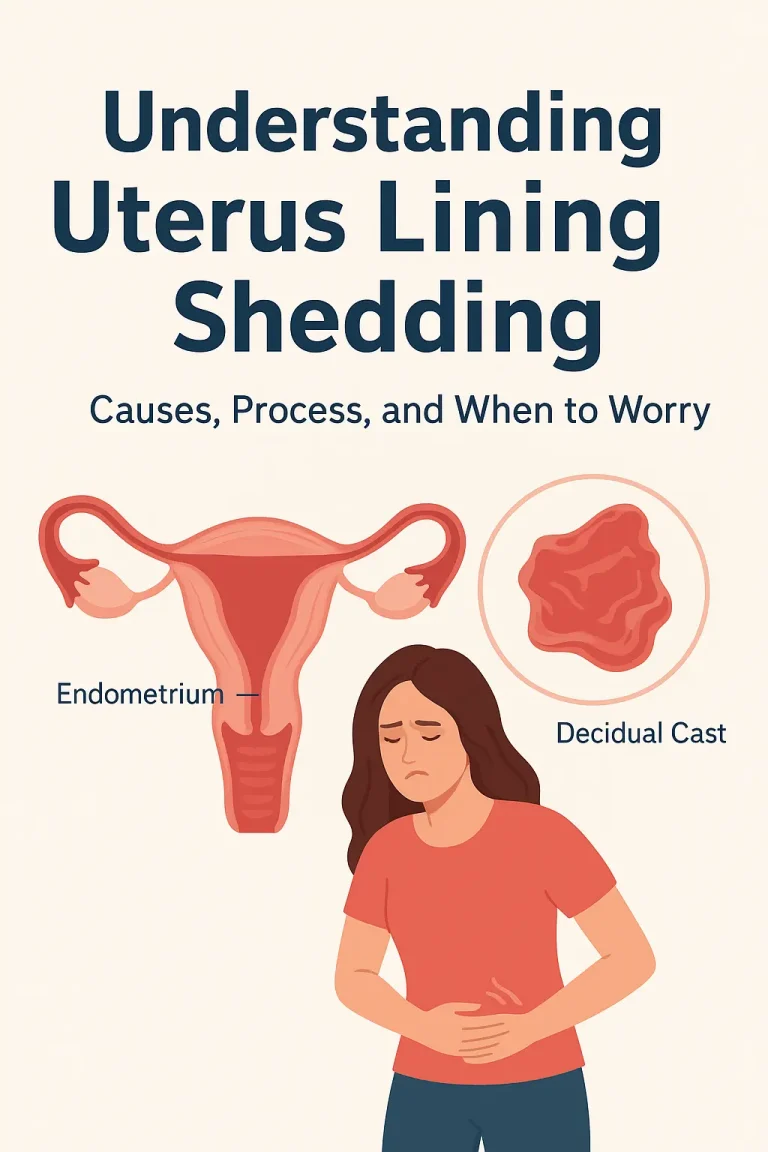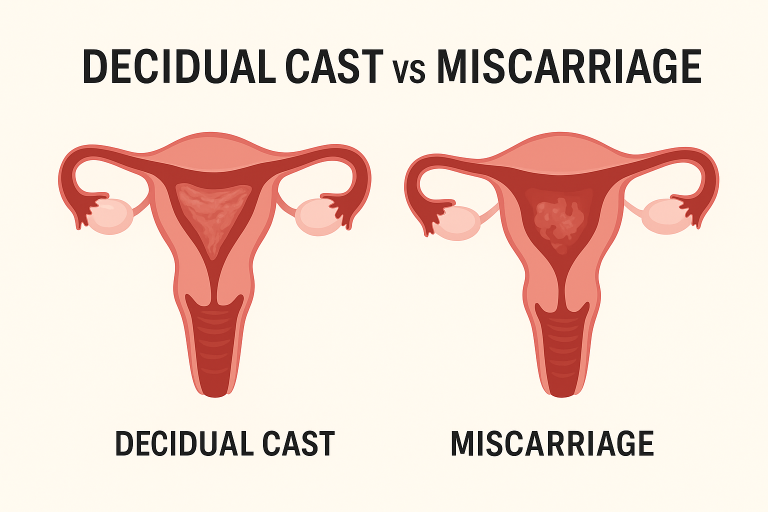
Decidual Cast vs Clot: How to Tell the Difference (With Pictures)
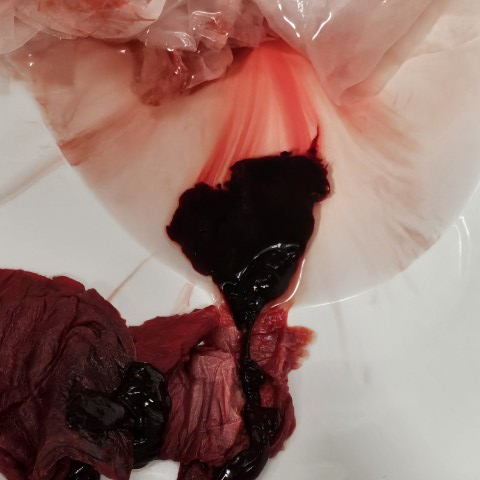
Based on how this tissue appears, it is most likely a large menstrual blood clot rather than a Decidual Cast. It looks dark red to almost black, has an uneven and irregular shape, and appears soft and jelly-like, which are typical features of clotted menstrual blood during a heavy period.
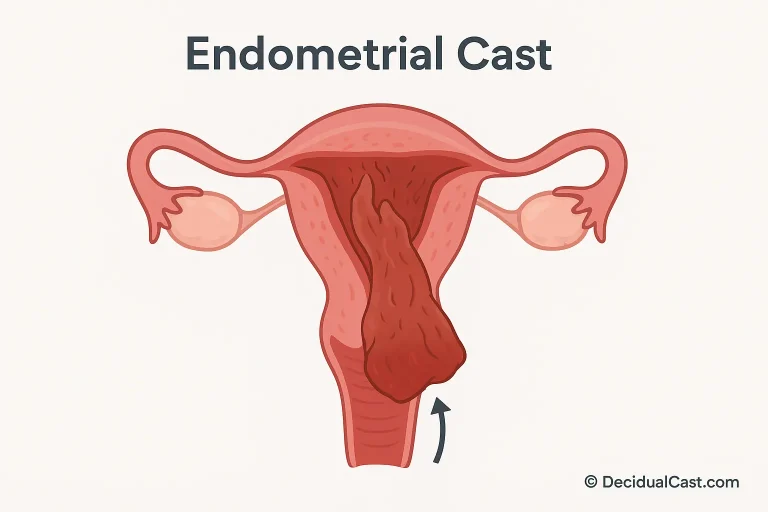
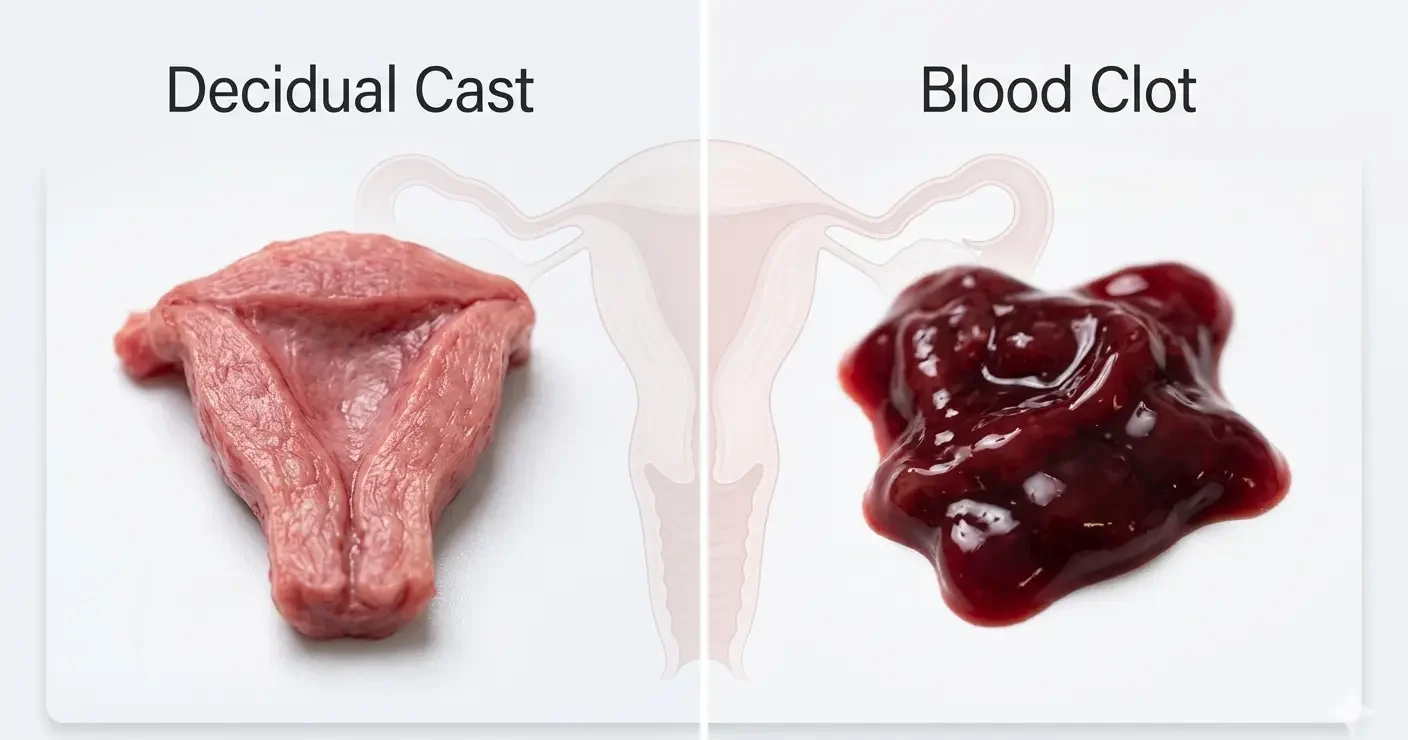
A decidual cast, on the other hand, usually comes out in one solid piece, has a more defined shape (sometimes resembling the uterus), and feels firmer or fleshy, often accompanied by strong cramping at the time it passes. Since this tissue does not show those structured characteristics, it is more consistent with a blood clot. However, if this is accompanied by severe pain, very heavy bleeding, or if you are trying to conceive, it is always a good idea to consult a doctor to rule out hormonal changes or other underlying causes.
Introduction:
If you’ve ever gone to the bathroom during your period and suddenly passed something large, unusual, and tissue-like — you know how terrifying that moment can feel. Many people immediately think something is seriously wrong, or worse, that they might be having a miscarriage. That fear, confusion, and uncertainty is exactly why understanding the difference between a decidual cast vs clot is so important.
From a clinical perspective, I’ve seen how often this situation is misunderstood. What looks alarming is not always dangerous — but it should never be ignored either. In this guide, we’ll break everything down in a clear, medically accurate way so you can confidently identify what you’re experiencing and know when to seek help.
Decidual Cast vs Clot
A decidual cast is when the entire uterine lining sheds in one piece, often causing severe pain and appearing structured or uterus-shaped. A blood clot is a common part of menstruation, usually jelly-like, irregular, and less painful.
| Feature | Decidual Cast | Blood Clot |
|---|---|---|
| Shape | Uterus-shaped, structured | Irregular |
| Texture | Firm, fleshy | Soft, jelly-like |
| Pain | Severe | Mild to moderate |
| Occurrence | Rare | Common |
Quick Self-Diagnosis: Is It a Decidual Cast or a Clot?
- If it came out in one large piece → likely a decidual cast
- If it looked jelly-like → likely a clot
- If it had structure or shape → decidual cast
- If pregnancy is possible → seek medical help
What Is a Decidual Cast?
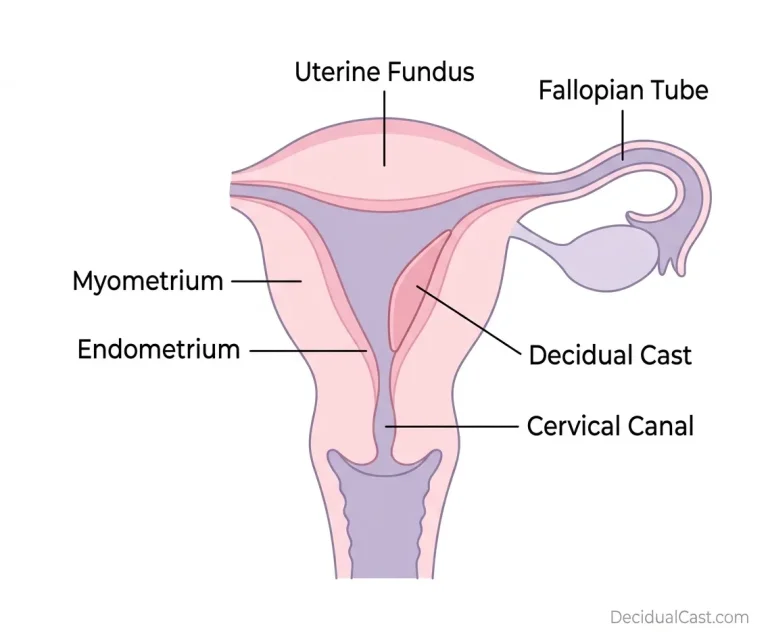
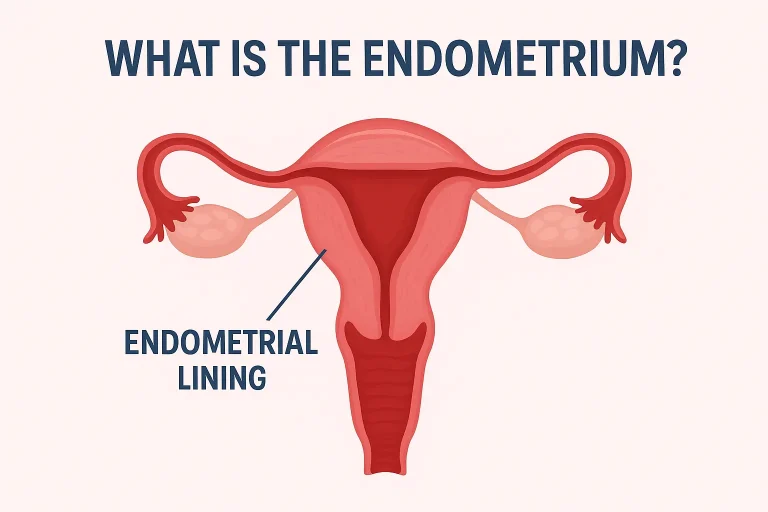
A decidual cast occurs when the entire endometrial lining sheds at once instead of gradually. This can result in a single, solid piece of tissue that may resemble the shape of the uterus.
Characteristics of a Decidual Cast
- Large, single piece of tissue
- Firm or fleshy texture
- Severe cramping before passing
- Sudden relief after passing
For a more detailed medical explanation, read our complete guide on what is a decidual cast.
Pain Pattern: Before, During, and After
- Before: Severe cramps
- During: Intense pain
- After: Sudden relief
What Are Menstrual Blood Clots?
Menstrual clots are thickened masses of blood that form during heavy periods. They are common and usually harmless.
Real-Life Identification Scenarios
- Breaks apart easily → clot
- Jelly-like → clot
- Fleshy and structured → decidual cast
- Dark red and sticky → clot
Decidual Cast vs Clot vs Miscarriage
| Condition | Key Feature | Risk |
|---|---|---|
| Decidual Cast | Whole tissue passed | Usually safe |
| Clot | Common period blood | Normal |
| Miscarriage | Bleeding + pregnancy | Needs medical care |
If you are concerned about pregnancy-related symptoms, read our detailed article on early miscarriage symptoms.
When to Consult a Healthcare Provider
- Heavy bleeding
- Pregnancy possibility
- Fever or infection
- Severe or persistent pain
Understanding Hormonal Influences
Hormonal changes, especially involving progesterone, can cause the uterine lining to shed as a whole instead of gradually.
Why Does a Decidual Cast Happen?
- Hormonal imbalance
- Birth control changes
- Progesterone fluctuations
Hormonal fluctuations play a major role. Learn more in our guide on hormonal imbalance in women.
Why Is the Pain So Intense?
The uterus contracts strongly to expel the tissue, which can cause severe, labor-like cramps.
Severe cramps can feel overwhelming. Read more about causes and relief in our article on severe period cramps.
How Doctors Diagnose It
- Pregnancy test
- Ultrasound
- Symptom review
Managing Symptoms at Home
- Rest
- Pain relief medication
- Hydration
Maintaining a Record
Tracking your cycle can help identify patterns and prevent future confusion.
Key Takeaways
- Decidual cast = rare, painful, structured
- Clots = common, jelly-like
- Miscarriage = must be ruled out if pregnant
- Always seek medical advice if unsure
Frequently Asked Questions
What is a decidual cast?
A rare condition where the uterine lining sheds in one piece.
Are blood clots normal?
Yes, especially during heavy periods.
Can birth control cause this?
Yes, hormonal changes may trigger it.
Should I worry?
If symptoms are severe or pregnancy is possible, consult a doctor.
Can it be mistaken for miscarriage?
Yes, always confirm medically if unsure.
Conclusion: Understanding Your Body With Confidence
Experiencing something unusual during your period can be deeply unsettling — especially when it looks more like tissue than blood. In real-world cases, I’ve seen how quickly this can lead to panic and confusion. However, understanding the difference between a decidual cast vs clot gives you clarity and control in a moment that otherwise feels overwhelming.
From both a medical and practical standpoint, the key lies in recognizing patterns — structure, pain intensity, and timing. While a decidual cast can feel alarming, it is often not dangerous. That said, your body is always communicating with you. If something feels off, trust that instinct and seek professional advice. Being informed is your strongest tool for staying safe and confident.