Heavy Menstrual Bleeding With Clots: Causes, Symptoms & Treatment
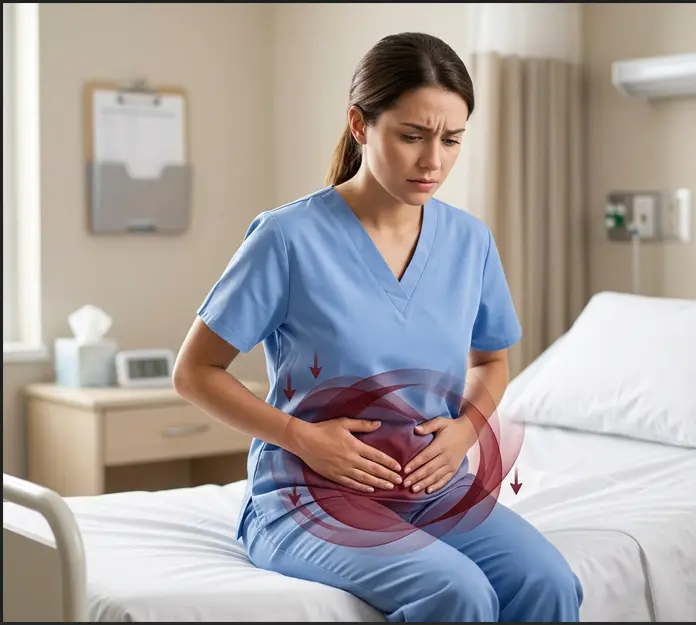
Heavy menstrual bleeding with clots can feel scary. Many women notice thick, jelly-like blood clots during their period at some point. Small clots are often normal. However, very heavy bleeding or large clots may point to an underlying health problem.
Heavy periods can affect daily life. They may cause tiredness, pain, stress, and even anemia. Some women soak through pads every hour or wake up at night because of bleeding.
This guide explains what heavy menstrual bleeding with clots means, what causes it, and when you should see a doctor.
Key Takeaways
- Small blood clots during a heavy period can be normal.
- Clots larger than a quarter may need medical evaluation.
- Heavy menstrual bleeding with clots can be linked to fibroids, hormonal imbalance, PCOS, or adenomyosis.
- Soaking pads every hour or bleeding longer than 7 days is not considered normal.
- Heavy periods can lead to iron-deficiency anemia and severe fatigue.
- You should see a doctor if bleeding affects your daily life or causes dizziness, weakness, or severe pain.
What Is Heavy Menstrual Bleeding With Clots?
Quick Answer
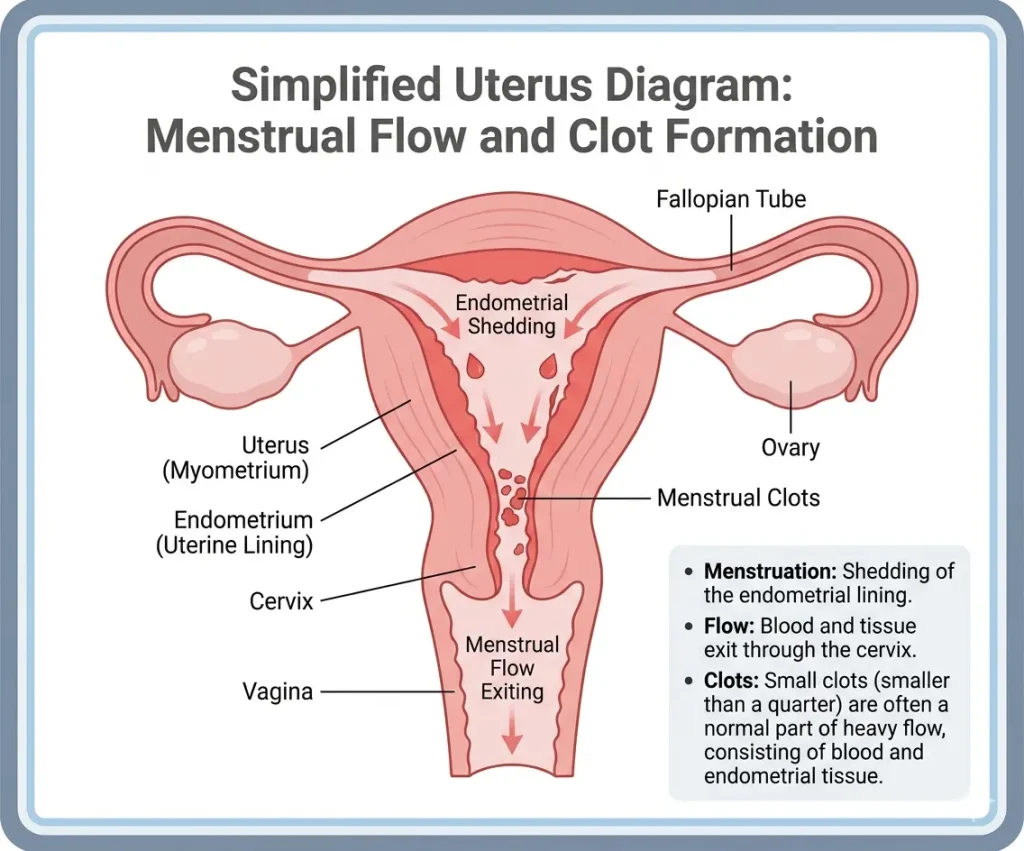
Heavy menstrual bleeding with clots is excessive menstrual bleeding that may include thick or jelly-like blood clots. Small clots can be normal during heavy flow, but large or frequent clots may signal conditions such as fibroids, hormonal imbalance, adenomyosis, or bleeding disorders.
Heavy menstrual bleeding means losing more blood than normal during your period. Doctors may call this condition menorrhagia.
Blood clots form when blood collects in the uterus faster than the body can thin it. These clots may look:
- dark red
- bright red
- thick
- jelly-like
- stringy
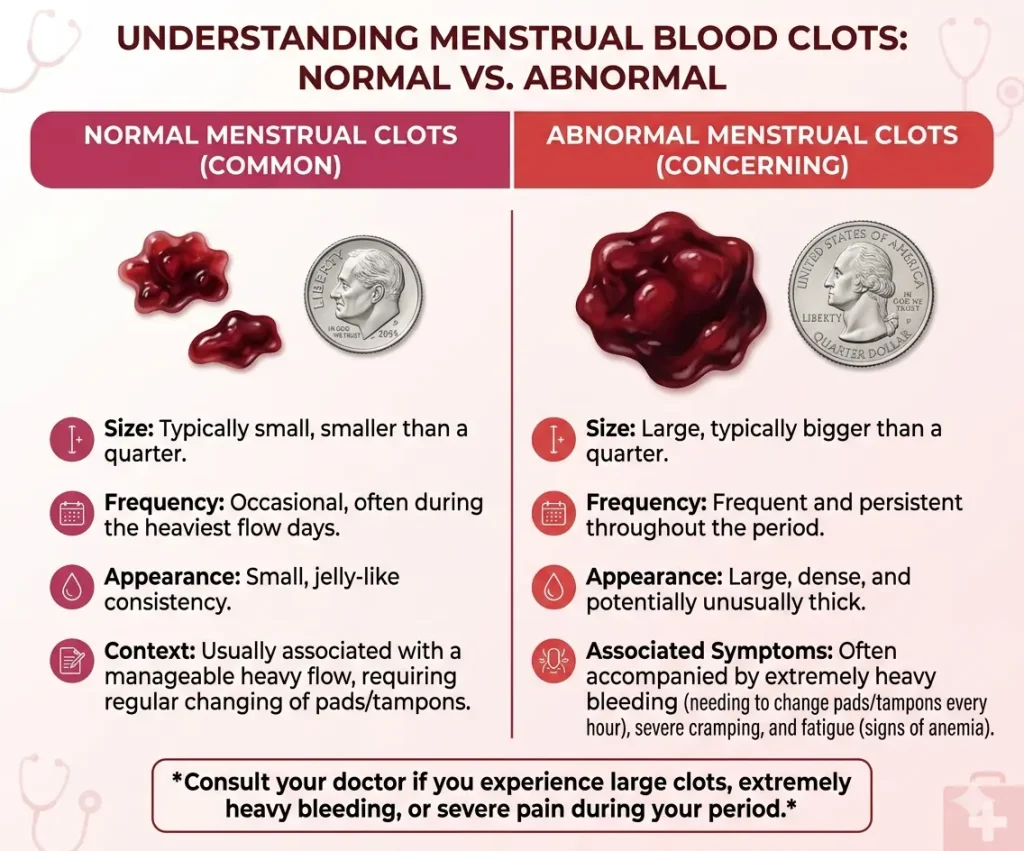
Small clots during a heavy flow can be normal. Large clots or frequent clots may need medical attention.
Normal vs Abnormal Bleeding clots
| Usually Normal | May Need Medical Attention |
|---|---|
| Small blood clots | Clots larger than a quarter |
| Mild cramping | Severe pelvic pain |
| Period lasts under 7 days | Bleeding lasts longer than 7 days |
| Moderate bleeding | Soaking pads every hour |
| Occasional clotting | Frequent large clots |
| Mild tiredness | Dizziness or fainting |
Are Blood Clots During a Period Normal?
Yes, small menstrual clots can be normal. They often happen on the heaviest days of a period.
The body releases substances called anticoagulants to keep period blood flowing smoothly. During heavy bleeding, the body may not work fast enough to break down all the blood. This causes clots to form.
You should pay attention if:
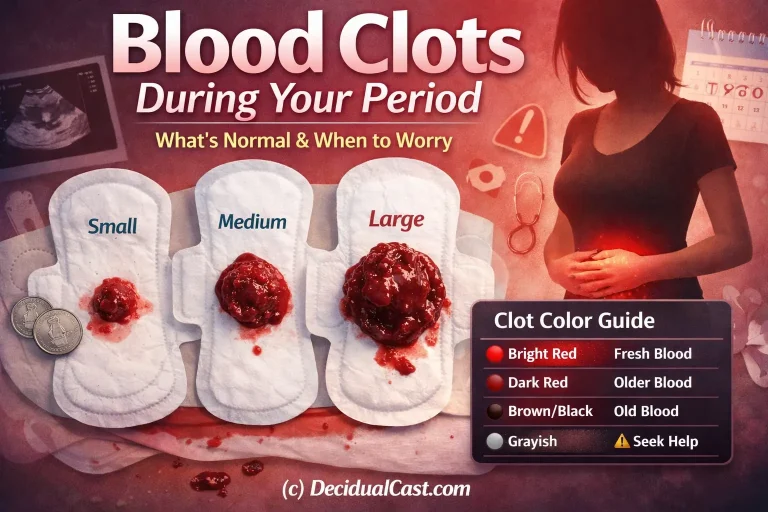
- clots are larger than a quarter
- bleeding becomes much heavier than usual
- you feel dizzy or weak
- periods last longer than 7 days
What Size Blood Clot Is Concerning?
| Clot Size | What It May Mean |
|---|---|
| Small clot | Usually normal during heavy flow |
| Quarter-sized clot | May need medical evaluation if frequent |
| Large repeated clots | Possible fibroids, hormonal imbalance, or adenomyosis |
| Tissue-like clot | Should be medically evaluated |
Small clots are usually harmless. Large clots may signal a problem.
Normal Clots
- small
- occasional
- happen during heavy flow
Concerning Clots
- larger than a quarter
- frequent large clots
- golf-ball-sized clots
- thick tissue-like clots
Large blood clots during a period may be linked to fibroids, hormonal imbalance, or other medical conditions.
How Much Bleeding Is Too Much?
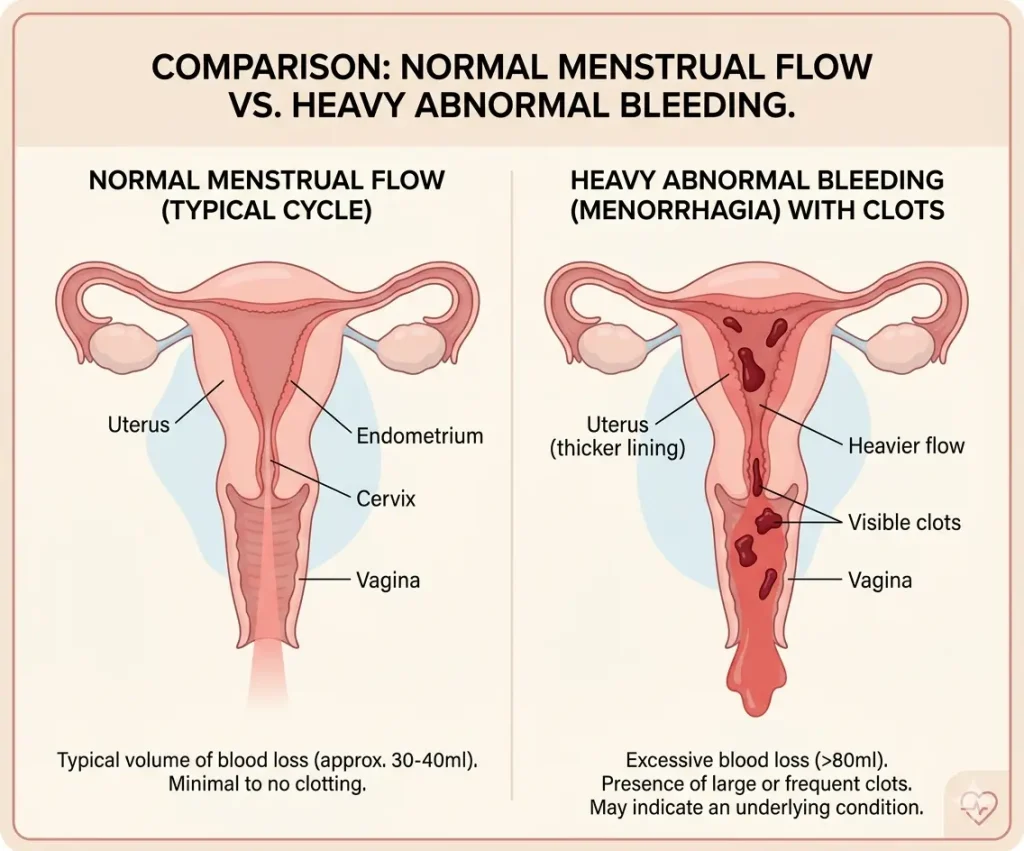
Some women naturally have heavier periods than others. However, very heavy bleeding should not be ignored.
Signs your period may be too heavy include:
- soaking through a pad or tampon every 1–2 hours
- needing double protection
- waking up at night to change pads
- bleeding through clothes or bedsheets
- passing repeated large blood clots
- periods lasting longer than 7 days
Some women also experience period flooding. This is when blood suddenly gushes or leaks heavily, making it difficult to control the flow.
Why Heavy Menstrual Bleeding Causes Clots
Heavy bleeding causes blood to pool inside the uterus. When blood sits too long, it thickens and forms clots.
This is more likely when:
- menstrual flow is very heavy
- the uterus does not contract properly
- hormone levels are unbalanced
Women with heavy menstrual bleeding often notice clots during the first few days of their period.
Could a Bleeding Disorder Be Causing Heavy Periods?
In some cases, a bleeding disorder may cause very heavy menstrual bleeding.
One example is von Willebrand disease, a condition that affects blood clotting.
Signs of a bleeding disorder may include:
- very heavy periods since puberty
- easy bruising
- frequent nosebleeds
- bleeding gums
- family history of bleeding problems
Women with bleeding disorders often do not realize their periods are abnormally heavy.
Heavy Bleeding With Clots but No Pain
Some women have heavy menstrual bleeding with clots but no pain. Even without cramps, heavy bleeding may still point to an underlying condition.
Possible causes include:
- hormonal imbalance
- uterine fibroids
- bleeding disorders
- perimenopause
- thyroid problems
Pain is not always present with abnormal bleeding. Persistent heavy periods should still be checked by a doctor.
What Different Period Clots May Mean
The color and texture of menstrual clots can vary.
Bright Red Clots
Bright red clots usually mean fresh blood. They often appear during heavy active bleeding.
Dark Red or Brown Clots
These clots contain older blood that stayed in the uterus longer before leaving the body.
Jelly-Like Clots
Jelly-like blood clots during a period are common during heavy flow. Thick clots may appear when bleeding is faster than normal.
Stringy or Tissue-Like Clots
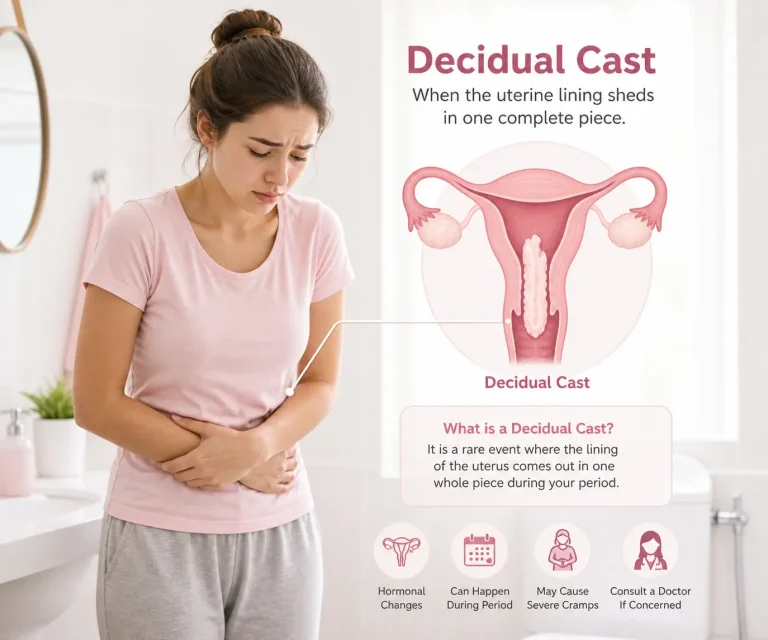
These may happen with hormonal changes, miscarriage, or shedding of uterine tissue. A doctor should evaluate unusual tissue-like clots.
Causes of Heavy Menstrual Bleeding With Clots
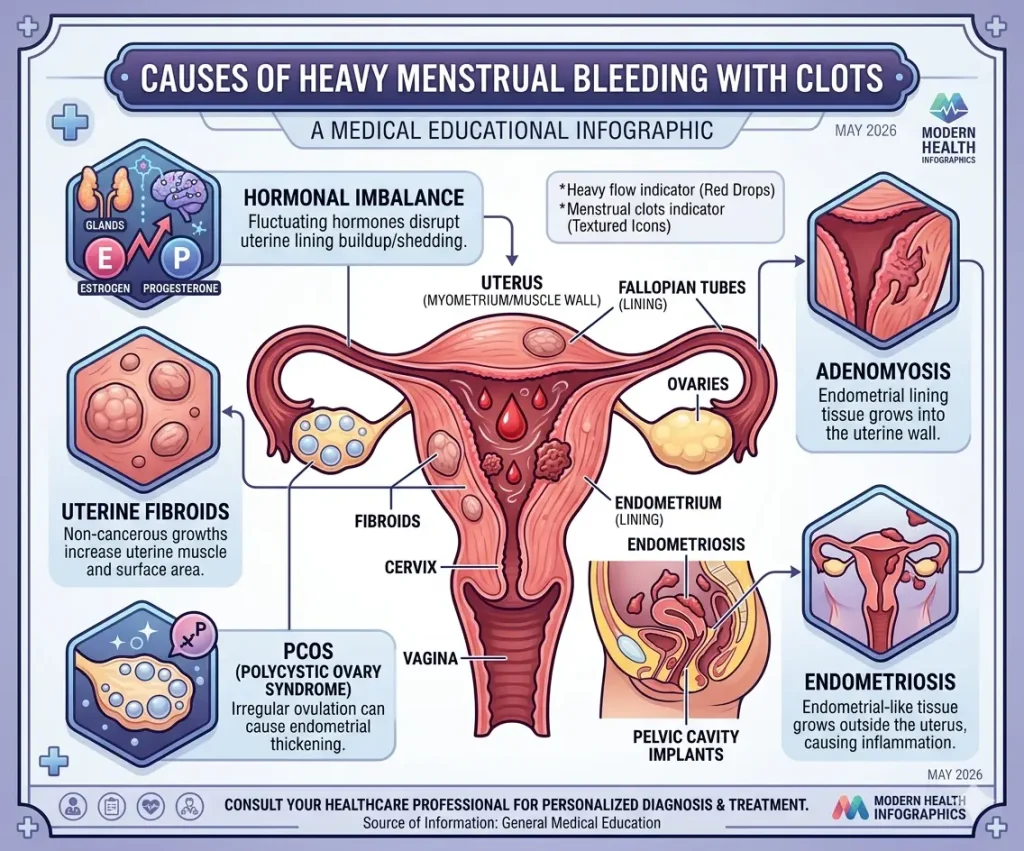
| Condition | Common Symptoms |
|---|---|
| Fibroids | Heavy bleeding, pelvic pressure, large clots |
| Adenomyosis | Painful cramps, bloating, heavy flow |
| PCOS | Irregular periods, hormonal imbalance |
| Endometriosis | Pelvic pain, painful periods, fatigue |
| Perimenopause | Irregular heavy bleeding after 40 |
Many health conditions can cause heavy periods and blood clots.
Uterine Fibroids
Fibroids are non-cancerous growths in the uterus. They are one of the most common causes of heavy bleeding with clots.
Symptoms may include:
- pelvic pressure
- long periods
- lower back pain
- frequent urination
Adenomyosis
Adenomyosis happens when the uterine lining grows into the muscle wall of the uterus. It can cause:
- severe cramps
- heavy bleeding
- large clots
- bloating
Hormonal Imbalance
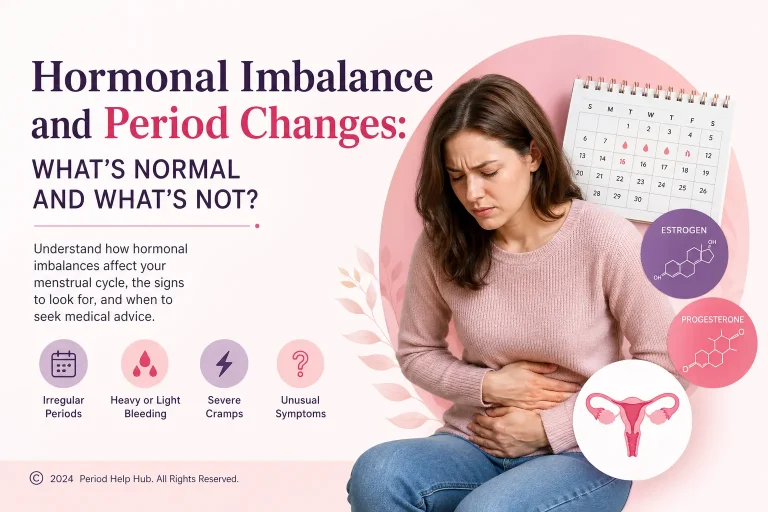
Hormones control the menstrual cycle. When hormones become unbalanced, the uterine lining may grow too thick. This can lead to excessive bleeding and clotting.
Polycystic Ovary Syndrome (PCOS)
PCOS can cause irregular periods and heavy bleeding. Some women with PCOS pass thick blood clots during their cycle.
Endometriosis
Endometriosis happens when tissue similar to the uterine lining grows outside the uterus. It often causes:
- painful periods
- heavy bleeding
- fatigue
- clotting
Perimenopause
Women over 40 may experience heavy menstrual bleeding with clots during perimenopause. Hormone levels change during this stage of life.
Pregnancy Complications
Sometimes heavy bleeding with clots may signal:
- miscarriage
- ectopic pregnancy
Seek urgent medical care if bleeding happens during pregnancy.
Bleeding Disorders
Some blood disorders make it harder for the body to control bleeding. Heavy periods may be one of the first signs.
Symptoms That May Signal a Serious Problem
Heavy menstrual bleeding can sometimes become dangerous.
Watch for these symptoms:
- soaking a pad every hour
- bleeding longer than 7 days
- severe pelvic pain
- dizziness
- fainting
- shortness of breath
- weakness
- pale skin
- very large blood clots
These symptoms may point to anemia or another serious condition.
Heavy Menstrual Bleeding With Clots by Age
Teenagers
Heavy periods in teens often happen because hormones are still developing. Irregular ovulation can cause clotting and strong bleeding.
Women in Their 20s and 30s
Common causes include:
- fibroids
- PCOS
- endometriosis
- pregnancy complications
Women Over 40
Heavy bleeding after age 40 may happen during perimenopause. However, doctors may also check for uterine abnormalities or cancer risk.
Can Stress Cause Heavy Bleeding With Clots?
Stress can affect hormone levels. Hormonal changes may disrupt the menstrual cycle and make periods heavier in some women.
Stress alone does not usually cause severe bleeding. However, it may worsen existing menstrual problems.
Can Heavy Menstrual Bleeding Cause Anemia?
Yes. Losing too much blood every month can lower iron levels in the body. This may lead to iron-deficiency anemia.
Symptoms of anemia include:
- tiredness
- weakness
- headaches
- pale skin
- dizziness
- shortness of breath
Many women with heavy periods do not realize they are anemic.
When to See a Doctor Immediately
You should seek medical help if you:
Signs Your Bleeding May Be Serious
- Soaking through pads every hour
- Passing repeated large blood clots
- Bleeding longer than 7 days
- Feeling dizzy or faint
- Shortness of breath or chest discomfort
- Extreme tiredness or weakness
- Bleeding between periods
- Severe pelvic pain
Early treatment can prevent complications.
How Doctors Measure Heavy Menstrual Bleeding
Doctors may use several methods to understand how severe your bleeding is.
They may ask:
- how often you change pads or tampons
- how many days bleeding lasts
- how large the blood clots are
- whether bleeding affects daily life
Some doctors also use a menstrual tracking method called a PBAC score. This helps estimate blood loss during a period.
Keeping track of symptoms can help doctors find the cause more quickly.
How Doctors Diagnose Heavy Menstrual Bleeding
Doctors may ask about:
- cycle length
- clot size
- pain level
- pregnancy history
Tests may include:
- blood tests
- pelvic exam
- ultrasound
- hysteroscopy
- hormone testing
These tests help identify the cause of abnormal bleeding.
Do Not Ignore Symptoms That Affect Daily Life
Many women think heavy bleeding is something they simply have to live with. However, symptoms that affect your daily life should not be ignored.
Heavy menstrual bleeding with clots can lead to:
- missed work or school
- sleep disruption
- anxiety about leaking
- low energy
- emotional stress
- avoiding social activities
If your period regularly interferes with normal life, it is important to speak with a healthcare provider.
Treatment Options for Heavy Menstrual Bleeding With Clots
Treatment depends on the cause.
Medications
Doctors may recommend:
- iron supplements
- hormonal birth control
- tranexamic acid
- anti-inflammatory medicine
Hormonal IUD
A hormonal IUD may reduce bleeding and clotting over time.
Surgery
Some women may need procedures to remove fibroids or treat uterine problems.
Home Tips to Manage Heavy Period Bleeding
These simple steps may help:
- drink enough water
- eat iron-rich foods
- track your menstrual cycle
- rest during heavy flow days
- use heating pads for cramps
Avoid ignoring symptoms that disrupt daily life.
Are blood clots during periods normal?
Small blood clots during heavy menstrual flow are often normal. Large or frequent clots may need medical evaluation.
Why are my period clots suddenly so big?
Large clots may happen because of fibroids, hormonal imbalance, adenomyosis, or very heavy menstrual flow.
Can stress make periods heavier?
Stress may affect hormone levels and menstrual cycles, which can sometimes contribute to heavier periods.
Can fibroids cause large blood clots?
Yes. Fibroids are one of the most common causes of heavy menstrual bleeding with large clots.
When should I go to the ER for heavy menstrual bleeding?
Go to the ER Immediately If You:
- Soak through one or more pads every hour for several hours
- Feel faint or cannot stand properly
- Have chest pain or trouble breathing
- Experience severe sudden pelvic pain
- Pass extremely large clots repeatedly
- Bleed heavily during pregnancy
Conclusion
Heavy menstrual bleeding with clots is common, but it should not be ignored when symptoms become severe. Small clots during a heavy period are often normal. However, very large clots, severe pain, or excessive bleeding may point to conditions like fibroids, adenomyosis, hormonal imbalance, or anemia.
Pay attention to changes in your cycle. If heavy bleeding affects your daily life, speak with a healthcare provider. Early treatment can improve symptoms and protect your overall health.
Medical Review
This article is based on general medical information and is supported by trusted health organizations. It is written for informational purposes only and should not replace professional medical advice.
References
-
Centers for Disease Control and Prevention (CDC) – Heavy Menstrual Bleeding
https://www.cdc.gov/female-blood-disorders/about/heavy-menstrual-bleeding.html -
Mayo Clinic – Menorrhagia (Heavy Menstrual Bleeding)
https://www.mayoclinic.org/diseases-conditions/menorrhagia/symptoms-causes/syc-20352829 -
Cleveland Clinic – Heavy Menstrual Bleeding (Menorrhagia)
https://my.clevelandclinic.org/health/diseases/17734-menorrhagia-heavy-menstrual-bleeding
If you are experiencing unusually heavy bleeding, large blood clots, dizziness, or severe pain, consult a healthcare professional for proper diagnosis and treatment.