Large Blood Clots During Period: Causes, Symptoms & When to Worry

Passing small blood clots during your period is usually normal, especially on the heaviest days of menstrual bleeding. Many women notice jelly-like or thick clots at some point in their lives, and in most cases, they are not a sign of a serious problem. However, large blood clots during period along with very heavy bleeding, severe cramps, or sudden changes in your cycle can sometimes point to an underlying health condition that may need medical attention.
Conditions such as hormonal imbalance, fibroids, endometriosis, and other uterine disorders are common causes, and many of them can be treated once properly diagnosed.
What Are Large Blood Clots During a Period?
Large blood clots during a period are thick, jelly-like pieces of blood and tissue that come out with menstrual flow. They usually form when blood collects in the uterus or vagina faster than the body can release it. Your body then creates clots to slow down the bleeding, similar to how blood clots after a cut.
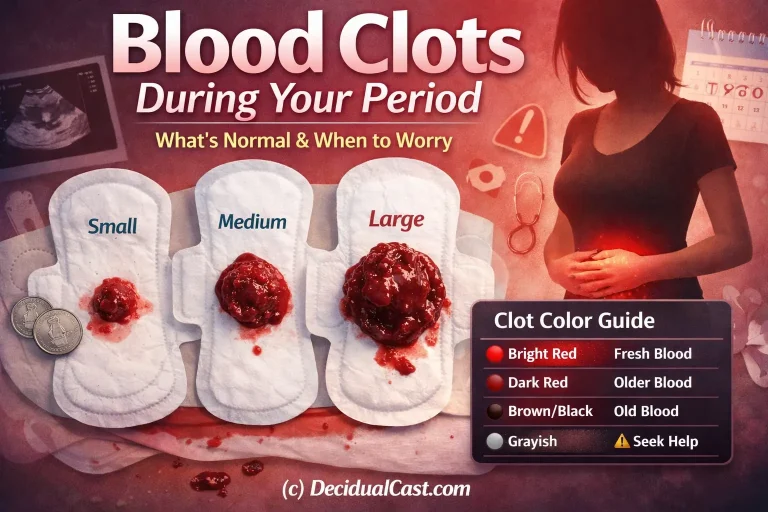
Small period clots are common, especially during the heaviest days of your cycle. However, large clots that are bigger than a quarter or grape may be a sign of heavy menstrual bleeding or another underlying condition. Some women also notice dark red, bright red, or tissue-like clots during their periods.
Menstrual blood clots are not made of blood alone. They can also contain pieces of the uterine lining, mucus, and proteins involved in the body’s natural clotting process. Because of this, period clots may look thick, stringy, or gel-like.
Large blood clots during period can happen occasionally without being dangerous. But if they happen often, come with severe cramps, dizziness, fatigue, or very heavy bleeding, it is important to pay attention to the changes in your menstrual cycle.
What Menstrual Blood Clots Are Made Of
Menstrual blood clots are made of blood, pieces of the uterine lining, mucus, and proteins that help control bleeding. During your period, the body sheds the thick lining of the uterus, and some of this tissue can come out in clumps or jelly-like masses. This is why period clots may look thick, dark red, or stringy.
Why Blood Clots Form During Menstruation
Blood clots form when menstrual blood flows faster than the body can break it down naturally. To prevent too much blood loss, the body releases clotting proteins that thicken the blood. This is more common during heavy periods when a large amount of blood collects in the uterus before leaving the body.
What Size of Blood Clot Is Considered Large?
Small clots are usually normal during menstruation. However, blood clots larger than a quarter or grape are often considered large. Passing large clots frequently, especially with heavy bleeding, severe cramps, or weakness, may be a sign of an underlying health condition and should not be ignored.
Symptoms That Can Happen With Large Period Blood Clots

Large blood clots during period can happen along with other symptoms, especially when bleeding is heavier than normal. Some symptoms may be mild, while others can affect your daily life and signal an underlying health condition. Paying attention to these changes can help you understand when your period may need medical evaluation.
1. Heavy Menstrual Bleeding
Heavy menstrual bleeding is one of the most common symptoms linked to large period clots. You may notice that you are soaking through pads or tampons quickly, bleeding for more than seven days, or waking up at night to change menstrual products. Heavy flow often makes it easier for blood to collect and clot before leaving the body.
Some women also feel that their periods suddenly become heavier than usual. This type of bleeding can interfere with work, school, sleep, and daily activities.
2. Severe Cramps or Pelvic Pain
Strong cramps or pelvic pain can happen when the uterus contracts to push out blood clots and tissue. Mild cramping is common during menstruation, but severe pain that feels sharp, intense, or difficult to manage is not always normal.
Some women describe the pain as pressure, stabbing cramps, or pain that feels similar to labor contractions. Conditions like fibroids, endometriosis, or adenomyosis may cause both painful periods and large blood clots.
3. Fatigue and Dizziness
Losing a large amount of blood during your period can sometimes lead to fatigue, weakness, or dizziness. Heavy bleeding may lower your iron levels and increase the risk of anemia, a condition where the body does not have enough healthy red blood cells.
You may feel tired even after resting, become short of breath easily, or feel lightheaded when standing up. These symptoms should not be ignored if they happen often during your periods.
4. Passing Tissue-Like or Jelly-Like Clots
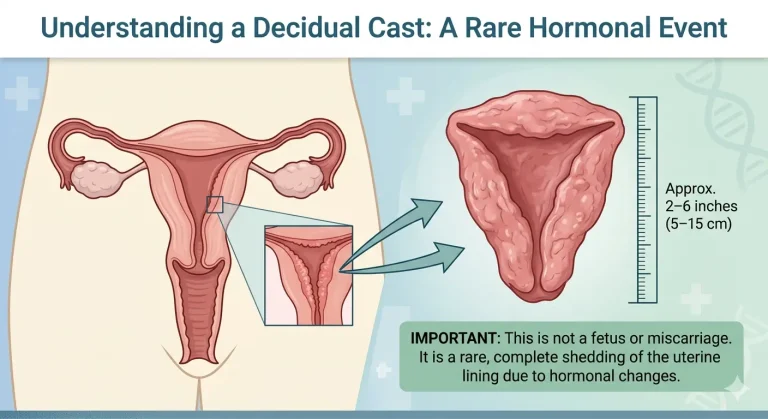
Some menstrual clots look thick, stringy, or jelly-like, while others may appear similar to tissue or skin. Small jelly-like clots can be normal during heavy flow days, but larger tissue-like pieces may feel alarming.
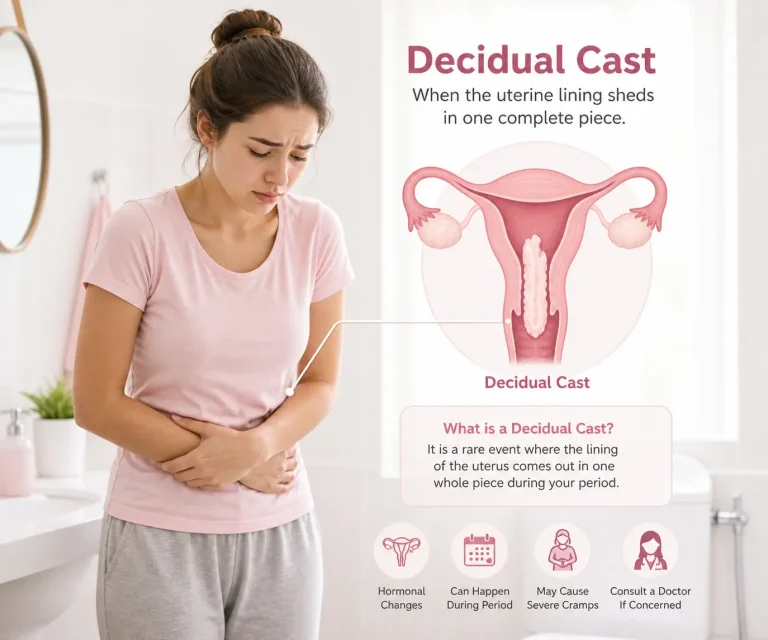
In some cases, tissue-like clots can happen because the uterine lining is shedding heavily. However, they can also be linked to miscarriage, hormonal changes, or certain uterine conditions. If you are unsure about what you passed, especially if pregnancy is possible, it is best to speak with a healthcare provider.
11 Causes of Large Blood Clots During Period

Large blood clots during period can happen for many different reasons. In some cases, they are linked to temporary hormonal changes or naturally heavy periods. In other cases, they may be caused by an underlying condition affecting the uterus, hormones, or blood clotting process.
If large clots happen often, come with severe pain, or are affecting your daily life, it is important to understand what may be causing them. Below are some of the most common causes of large menstrual blood clots.
1. Hormonal Imbalance
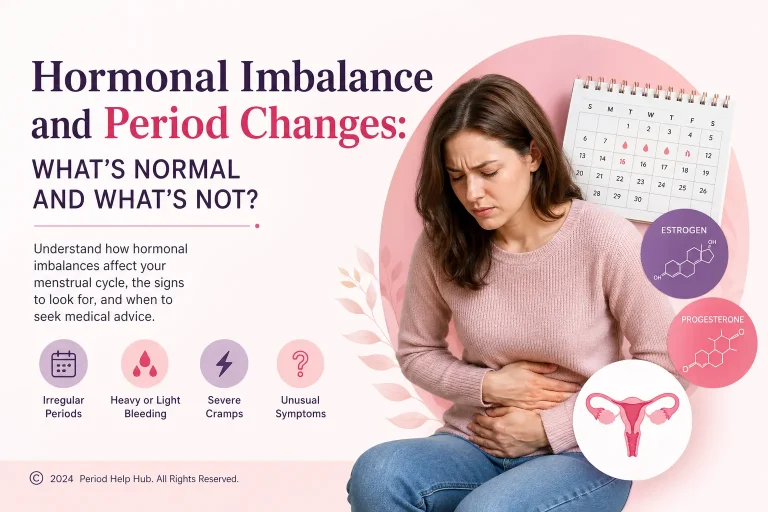
Hormones control how the uterine lining grows and sheds during your menstrual cycle. When hormones like estrogen and progesterone become unbalanced, the uterine lining can grow thicker than normal. This may lead to heavier bleeding and larger blood clots during your period.
Hormonal imbalance can happen because of stress, weight changes, puberty, perimenopause, PCOS, or certain medical conditions.
2. Heavy Menstrual Bleeding (Menorrhagia)
Menorrhagia is the medical term for very heavy menstrual bleeding. When blood flow becomes too heavy, the body may not be able to break down the blood quickly enough before it leaves the uterus. As a result, large clots can form.
Women with menorrhagia may soak through pads or tampons every hour, bleed for longer than seven days, or pass clots larger than a quarter.
3. Uterine Fibroids
Uterine fibroids are noncancerous growths that develop in or around the uterus. They are common during reproductive years and can increase menstrual bleeding. Fibroids may also change the shape of the uterus, making it harder for blood to flow normally.
This extra bleeding can lead to large, thick blood clots and painful cramps during menstruation.
4. Endometriosis
Endometriosis happens when tissue similar to the uterine lining grows outside the uterus. This condition can cause severe pelvic pain, painful periods, and abnormal bleeding.
Some women with endometriosis experience heavy periods with dark or large blood clots, especially during the first few days of menstruation.
5. Adenomyosis
Adenomyosis occurs when the lining of the uterus grows into the muscular wall of the uterus. This can make the uterus larger and lead to painful, heavy periods.
Women with adenomyosis often experience severe cramping, pelvic pressure, prolonged bleeding, and large menstrual blood clots.
6. Polycystic Ovary Syndrome (PCOS)
PCOS is a hormonal disorder that can affect ovulation and menstrual cycles. Irregular ovulation may cause the uterine lining to build up over time. When the lining finally sheds, bleeding can become heavier than normal and may contain large clots.
PCOS may also cause acne, weight gain, excess hair growth, and irregular periods.
7. Thyroid Disorders
The thyroid gland helps regulate hormones throughout the body, including those involved in menstruation. Both an underactive thyroid (hypothyroidism) and an overactive thyroid (hyperthyroidism) can affect menstrual flow.
Some women with thyroid disorders notice heavier periods, irregular cycles, and larger blood clots during menstruation.
8. Miscarriage or Early Pregnancy Loss
Sometimes, large blood clots and heavy bleeding may happen because of a miscarriage or very early pregnancy loss. The bleeding may include gray, tissue-like, or unusually large clots along with strong cramps.
If pregnancy is possible and you notice sudden heavy bleeding or tissue passing from the vagina, it is important to take a pregnancy test and seek medical advice.
9. Birth Control and Hormonal Medications
Hormonal birth control methods can sometimes affect the thickness of the uterine lining and menstrual bleeding patterns. Starting, stopping, or changing birth control may lead to temporary heavy bleeding or clotting.
Emergency contraception, hormonal injections, and certain medications that affect hormones may also increase the chance of passing large clots during a period.
10. Endometrial Hyperplasia
Endometrial hyperplasia is a condition where the uterine lining becomes thicker than normal. This often happens because of excess estrogen without enough progesterone.
A thickened uterine lining may cause irregular bleeding, heavy periods, and large blood clots. In some cases, treatment is needed to prevent complications.
11. Blood Clotting Disorders
Some medical conditions affect the body’s ability to control bleeding properly. Blood clotting disorders can cause periods to become unusually heavy and increase the formation of menstrual clots.
Women with clotting disorders may also bruise easily, bleed heavily after injuries, or have a family history of abnormal bleeding problems.
Large Blood Clots During Period vs Miscarriage
Large blood clots during period can sometimes look similar to miscarriage tissue, which is why many women become worried when they notice thick or unusual clots. In many cases, menstrual clots are harmless and happen during heavy bleeding. However, miscarriage bleeding may include larger tissue-like material and stronger symptoms.
Key Differences
Period blood clots are usually dark red or bright red and often appear during the heaviest days of menstruation. They may look jelly-like, thick, or stringy and are commonly linked to heavy menstrual bleeding.
A miscarriage may cause heavy bleeding as well, but the bleeding is often accompanied by severe cramping, back pain, and gray or tissue-like material. Some women also notice pregnancy symptoms before the bleeding starts, such as nausea, breast tenderness, or a missed period.
Another important difference is timing. Menstrual clots happen as part of a regular cycle, while miscarriage bleeding may occur after a positive pregnancy test or a missed period.
What Miscarriage Tissue May Look Like
Miscarriage tissue can look different from normal period clots. It may appear gray, pink, or flesh-like instead of dark red. Some women describe it as tissue, skin-like material, or larger soft clumps mixed with blood.
The amount and appearance can vary depending on how early the pregnancy loss happens. In very early miscarriages, the bleeding may look similar to a heavy period with large clots.
Because it can be difficult to tell the difference at home, it is important to contact a healthcare provider if you are unsure, especially if you may be pregnant.
When to Take a Pregnancy Test
You should consider taking a pregnancy test if you experience:
- a missed or late period
- unusual heavy bleeding
- large tissue-like clots
- severe cramping
- sudden changes in your menstrual cycle
A pregnancy test can help rule out early pregnancy loss or other pregnancy-related conditions. If the test is positive or symptoms feel severe, medical evaluation is important to make sure you receive proper care.
What Do Large Menstrual Blood Clots Say About Your Health?
Large menstrual blood clots can sometimes give clues about what is happening inside your body. Occasional small clots during a heavy period are often normal, but frequent large clots may signal that your menstrual bleeding is heavier than it should be. In some cases, they can point to hormonal changes, uterine conditions, or other health problems that affect the menstrual cycle.
Your body usually prevents menstrual blood from clotting too much. However, when bleeding becomes very heavy or the uterine lining thickens more than normal, larger clots can form. Paying attention to changes in clot size, color, pain, and bleeding patterns can help you recognize when something may not be normal.
Possible Signs of Hormone Imbalance
Hormones like estrogen and progesterone help control the buildup and shedding of the uterine lining. When these hormones become unbalanced, the lining may grow thicker and lead to heavier periods with large clots.
Hormonal imbalance can happen because of stress, PCOS, thyroid problems, puberty, or perimenopause. Irregular cycles, acne, mood changes, or sudden changes in bleeding may happen at the same time.
When Clots May Indicate Uterine Conditions
Frequent large blood clots can sometimes be linked to conditions affecting the uterus, such as fibroids, adenomyosis, endometriosis, or endometrial hyperplasia. These conditions may cause heavy bleeding, pelvic pain, pressure, or longer periods.
In some women, the uterus may have difficulty pushing blood out normally, allowing blood to collect and clot before leaving the body. This can lead to thick or tissue-like clots during menstruation.
Can Stress Affect Menstrual Clotting?
Stress can affect hormone levels and may change the timing and flow of your menstrual cycle. Some women notice heavier periods, spotting, or stronger cramps during stressful times.
Stress alone does not usually cause very large blood clots, but it can contribute to hormonal imbalance that may affect menstrual bleeding. If your periods suddenly become much heavier or more painful, it is important to look at both emotional stress and possible medical causes.
When Should You Be Concerned About Large Blood Clots?
If your symptoms feel unusual, suddenly become worse, or happen repeatedly, it is a good idea to speak with a healthcare provider. Paying attention to warning signs can help you know when medical care may be needed.
Clots Larger Than a Quarter
Blood clots that are larger than a quarter or grape are often considered abnormal, especially if they happen frequently. Large clots may form when blood collects in the uterus faster than the body can break it down naturally.
Passing one clot occasionally may not always be serious. However, repeated large clots combined with heavy bleeding or severe cramps can sometimes point to conditions like fibroids, adenomyosis, or hormonal imbalance.
Soaking Pads Every Hour
Heavy bleeding that soaks through a pad or tampon every hour for several hours is a warning sign of excessive menstrual bleeding. Some women also need to use multiple menstrual products at once or wake up during the night to change them.
Very heavy bleeding can increase the risk of iron deficiency and anemia. It can also make you feel exhausted and interfere with your normal routine.
Severe Pain or Fainting
Mild cramps are common during menstruation, but severe pelvic pain is not always normal. Strong cramping, sharp pelvic pressure, or pain that feels unbearable may happen with conditions such as endometriosis, fibroids, or miscarriage.
Fainting, dizziness, or feeling weak during heavy bleeding may be a sign that your body is losing too much blood. These symptoms should be taken seriously, especially if they happen suddenly.
Symptoms of Anemia
Heavy periods with large blood clots can sometimes lead to anemia, a condition caused by low iron levels in the blood. Anemia develops when the body loses more blood than it can replace.
Common symptoms of anemia include:
- extreme tiredness
- weakness
- dizziness
- pale skin
- shortness of breath
- headaches
If you notice these symptoms along with heavy menstrual bleeding, it is important to seek medical advice and discuss possible testing or treatment options.
How Doctors Diagnose the Cause
If you regularly pass large blood clots during your period, a doctor may recommend tests to find the underlying cause. Diagnosis usually starts with questions about your menstrual cycle, symptoms, medical history, and overall health. The goal is to understand whether the bleeding is related to hormones, the uterus, pregnancy, or another medical condition.
In many cases, doctors use a combination of physical exams, blood tests, and imaging scans to look for possible problems. Identifying the cause can help guide the right treatment and prevent symptoms from getting worse over time.
Medical History and Symptom Tracking
Your doctor may ask questions about:
- how heavy your periods are
- how long bleeding lasts
- the size of blood clots
- pain levels
- changes in your cycle
- medications or birth control use
Tracking your symptoms before the appointment can be very helpful. Keeping notes about bleeding patterns, clot size, cramps, and fatigue may make it easier to identify possible causes.
Pelvic Exam
A pelvic exam allows the doctor to check for physical changes in the reproductive organs. This exam may help detect signs of fibroids, enlarged uterus, pelvic tenderness, or other abnormalities.
Although pelvic exams can feel uncomfortable, they are usually quick and are an important step in evaluating abnormal menstrual bleeding.
Ultrasound and Imaging
Pelvic ultrasound is one of the most common tests used to investigate heavy periods and large blood clots. It creates images of the uterus and ovaries and can help identify fibroids, adenomyosis, ovarian cysts, or thickening of the uterine lining.
In some cases, additional imaging tests such as MRI or hysteroscopy may be recommended if more detailed evaluation is needed.
Blood Tests
Blood tests can help check for anemia, hormone imbalance, thyroid problems, or blood clotting disorders. If pregnancy is possible, a pregnancy test may also be done to rule out miscarriage or pregnancy-related complications.
These tests help doctors understand whether heavy bleeding is affecting your overall health and guide the next steps in treatment.
Treatment for Large Blood Clots During Period
Treatment for large blood clots during period depends on what is causing the heavy bleeding. Some women may only need simple lifestyle changes or medication, while others may require treatment for an underlying condition such as fibroids, hormonal imbalance, or endometriosis.
The main goal of treatment is to reduce heavy bleeding, relieve pain, prevent anemia, and improve your quality of life. A healthcare provider can help decide which treatment is best based on your symptoms, age, medical history, and future pregnancy plans.
Hormonal Birth Control
Hormonal birth control is commonly used to manage heavy periods and large menstrual clots. Birth control pills, hormonal IUDs, patches, or injections can help regulate hormone levels and reduce the buildup of the uterine lining.
Many women notice lighter periods, fewer clots, and less cramping after starting hormonal treatment. However, some people may experience temporary irregular bleeding when beginning or changing birth control methods.
Iron Supplements
Heavy menstrual bleeding can lower iron levels and lead to anemia. Iron supplements may help restore iron in the body and improve symptoms like fatigue, weakness, and dizziness.
Your doctor may recommend iron tablets along with iron-rich foods such as red meat, spinach, beans, and leafy green vegetables.
Pain Relief Medications
Pain relief medicines may help reduce cramps and discomfort during heavy periods. Nonsteroidal anti-inflammatory drugs (NSAIDs), such as ibuprofen, can sometimes lower menstrual bleeding while also easing pain.
It is important to use medications as directed and speak with a healthcare provider if pain becomes severe or difficult to manage.
Surgical Treatment Options
Some women may need procedures or surgery if medication does not help or if conditions like fibroids or adenomyosis are causing severe symptoms. Treatment options can include:
- removal of fibroids
- endometrial ablation
- hysteroscopy
- hysterectomy in severe cases
The right option depends on the cause of bleeding, symptom severity, and whether future pregnancy is desired.
Lifestyle and Diet Changes
Healthy lifestyle habits may help support hormonal balance and overall menstrual health. Managing stress, maintaining a healthy weight, staying active, and eating nutritious foods can sometimes improve menstrual symptoms.
Drinking enough water and eating iron-rich foods may also help the body recover from heavy blood loss during periods.
How to Track Menstrual Blood Clots
Tracking menstrual blood clots can help you notice changes in your period and identify possible health concerns early. Pay attention to the size of the clots, especially if they are larger than a quarter or happen frequently. It is also important to track bleeding patterns, such as how long your period lasts, how often you change pads or tampons, and whether bleeding suddenly becomes heavier. Monitoring pain severity, including strong cramps, pelvic pressure, or pain that interferes with daily activities, can also provide useful information. Many women use period tracking apps to record symptoms, clot size, bleeding days, and cycle changes, making it easier to share accurate details with a healthcare provider if needed.
Can Large Blood Clots During Period Be Prevented?
In some cases, large blood clots during period can be reduced or managed, depending on the underlying cause. Keeping your hormones balanced through healthy lifestyle habits like regular exercise, stress control, and maintaining a healthy weight may help support more regular menstrual cycles. If an underlying condition such as fibroids, PCOS, or thyroid issues is causing heavy bleeding, treating that condition is often the most effective way to reduce clotting. Maintaining good iron levels through iron-rich foods or supplements can also help your body recover from heavy blood loss and reduce symptoms like fatigue, although it may not directly stop clots from forming.
Conclusion
Large blood clots during period can feel scary, but in many cases they are a normal part of heavy menstrual flow. Small clots, especially during the heaviest days, are usually harmless and simply happen because your body is shedding the uterine lining. However, clots that are large, frequent, or come with very heavy bleeding, strong pain, dizziness, or fatigue may not be normal and can sometimes point to an underlying health condition.
If your symptoms are severe or affecting your daily life, it is important that you speak with a healthcare provider. Conditions like hormonal imbalance, fibroids, PCOS, or other uterine issues can often be treated once properly diagnosed. You do not need to ignore your symptoms or feel worried alone.
The good news is that most causes of heavy periods and blood clots are manageable. With the right care and guidance, many women see a big improvement in their symptoms and feel much more comfortable during their cycles.