Hormonal Imbalance and Period Changes: What’s Normal and What’s Not?
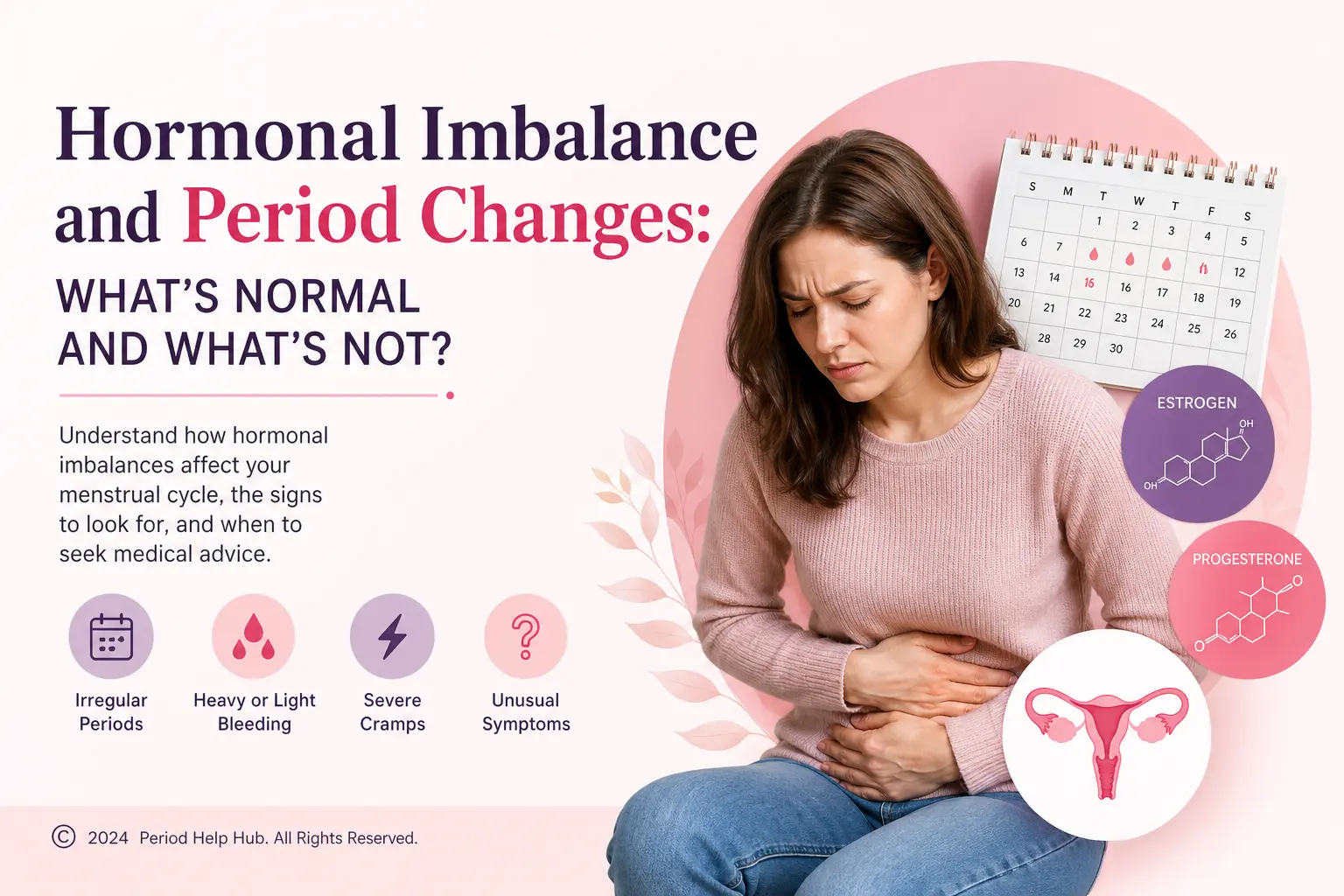
Changes in your period can be confusing—and sometimes genuinely frightening. You might notice your cycle suddenly becoming irregular, your flow getting heavier or lighter, or even experience unusual cramping that feels different from what you’re used to. For many people, these changes raise immediate questions: Is this normal? Is something wrong with my body?
From both medical understanding and real-world experiences shared by patients, hormonal imbalance is one of the most common reasons behind these unexpected changes. Even small shifts in hormones can disrupt your cycle in noticeable ways. In this guide, we’ll break down what these changes mean, when they’re harmless, and when they may signal something that needs closer attention.
At a Glance
- Hormonal imbalance is one of the most common causes of period changes.
- Irregular timing, heavy bleeding, or missed periods are typical signs.
- Stress, lifestyle changes, and medical conditions can all affect hormones.
- In rare cases, hormonal shifts may lead to unusual tissue shedding like a decidual cast.
- Persistent or severe symptoms should always be evaluated by a healthcare professional.
How Hormones Control Your Menstrual Cycle
Two key hormones regulate your cycle:
- Estrogen – builds up the uterine lining
- Progesterone – stabilizes and prepares it for possible pregnancy
If pregnancy doesn’t occur, hormone levels drop, triggering the shedding of the uterine lining of your period.
When this balance is disrupted, the entire cycle can change.
How Hormones Work Across the Menstrual Cycle
The menstrual cycle is divided into phases, each controlled by different hormonal signals:
- Follicular Phase: Estrogen rises and prepares the uterine lining
- Ovulation: Triggered by luteinizing hormone (LH)
- Luteal Phase: Progesterone stabilizes the lining
Other hormones like follicle-stimulating hormone (FSH) also play a key role in regulating ovulation and cycle timing.
If any of these hormonal signals are disrupted, the timing and pattern of your period can change.
Common Signs of Hormonal Imbalance
Hormonal imbalance can show up in different ways. Some of the most common symptoms include:
- Irregular or unpredictable periods
- Missed cycles
- Heavier or lighter bleeding than usual
- Severe menstrual cramps
- Spotting between periods
These symptoms often develop gradually but can sometimes appear suddenly.
How Hormonal Imbalance Changes Your Period
| Hormonal Change | Effect on Period |
|---|---|
| Low Progesterone | Irregular or missed periods |
| High Estrogen | Heavy bleeding or longer cycles |
| Hormonal Fluctuations | Spotting between periods |
| Sudden Hormonal Drop | Unusual shedding or intense cramps |
Hormones directly influence how the uterine lining grows and sheds. When levels fluctuate:
1. Irregular Timing
Ovulation may not occur regularly, causing delayed or skipped periods.
2. Heavy Bleeding
The lining may build up excessively, leading to heavier shedding. This can sometimes include heavy bleeding or clots, which may be mistaken for more serious conditions.
To better understand the difference, read our guide on large clot or tissue
3. Light or Missed Periods
Low hormone levels may prevent proper lining development.
4. Increased Pain
Hormonal shifts can intensify uterine contractions, causing stronger cramps.
Everyday Factors That Can Disrupt Hormones
Hormonal imbalance isn’t always caused by medical conditions. It can also be triggered by:
- Sudden weight gain or weight loss
- Excessive exercise
- Poor sleep patterns
- High stress levels
These factors can temporarily affect your menstrual cycle and lead to noticeable changes.
Can Hormonal Imbalance Cause Unusual Tissue Shedding?
Yes—this is where things can become confusing.
Hormonal imbalance—especially sudden changes in progesterone—can affect how the uterine lining develops and sheds.
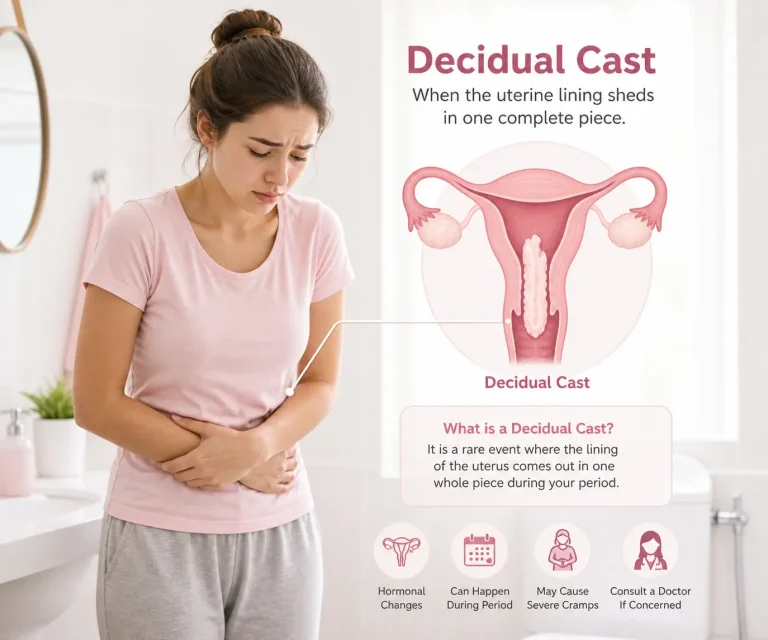
In most cases, this leads to irregular bleeding or clot formation. However, in rare situations, instead of breaking down gradually, the lining may detach in one piece, forming a Decidual Cast.
Not Sure What You Experienced?
If you want a detailed explanation of this type of unusual tissue shedding, you can read our complete guide on
Common Causes of Hormonal Imbalance
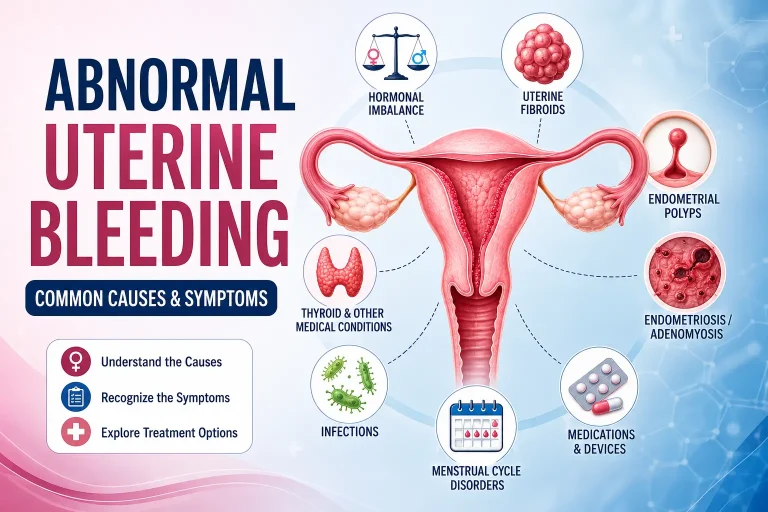
Hormonal imbalance doesn’t happen randomly. It is often linked to underlying factors such as:
Lifestyle Factors
- High stress levels
- Poor diet
- Lack of sleep
Medical Conditions
- Polycystic Ovary Syndrome
- Endometriosis
- Thyroid disorders
Medications
- Birth control pills
- Hormonal treatments
Are Hormonal Period Changes Temporary?
In many cases, hormonal imbalances are temporary and resolve on their own, especially if caused by stress or lifestyle changes.
However, persistent irregularities may indicate an underlying condition such as Polycystic Ovary Syndrome or Endometriosis, which may require medical evaluation.
When Should You Be Concerned?
Not all period changes are dangerous, but some signs should not be ignored.
You should consider seeing a doctor if you experience:
- Periods stopping for several months
- Extremely heavy bleeding (soaking pads quickly)
- Severe or unusual pelvic pain
- Passing large or unusual tissue
- Sudden major changes in your cycle
When to Seek Medical Attention
- Bleeding is extremely heavy or lasts longer than usual
- You experience severe or persistent pelvic pain
- You pass large or unusual tissue during your period
- Your periods suddenly stop for several months
- You are unsure whether symptoms could be related to pregnancy
In some cases, people experience confusion with pregnancy loss when passing unusual tissue during their period.
If you’re unsure, it’s important to understand the differences—read our detailed comparison on pregnancy-like symptoms
How Hormonal Imbalance Is Diagnosed
If symptoms persist, a healthcare provider may recommend:
- Blood tests to check hormone levels
- Ultrasound to examine the uterus
- Medical history evaluation
These help identify the root cause of irregular cycles.
Can Hormonal Imbalance Be Treated?
Yes—treatment depends on the cause.
Common approaches include:
- Hormonal medications
- Lifestyle changes (diet, stress management)
- Treating underlying conditions
Most people see improvement once the underlying imbalance is addressed.
Final Thoughts
Hormonal imbalance can feel overwhelming, especially when your body starts behaving in ways you don’t recognize. From what is commonly observed in clinical discussions and patient experiences, many people go through temporary cycle changes at some point in their lives—and in most cases, these are manageable once the underlying cause is understood.
At the same time, it’s important not to ignore persistent or unusual symptoms. If your cycle changes suddenly, becomes unpredictable, or is accompanied by severe pain or unusual tissue, it’s always worth getting professional guidance. Understanding your body, tracking your symptoms, and seeking timely advice can make a significant difference in both your health and peace of mind.
FAQs
Q1: Can hormonal imbalance delay periods?
Yes, hormonal imbalance can disrupt ovulation, leading to delayed or missed periods.
Q2: Is it normal for periods to suddenly change?
Occasional changes are normal, but persistent or extreme changes may indicate a hormonal issue.
Q3: Can stress cause hormonal imbalance?
Yes, high stress can affect hormone levels and disrupt your menstrual cycle.
Disclaimer
This article is for informational purposes only and should not be considered medical advice. If you experience unusual symptoms or significant changes in your menstrual cycle, consult a qualified healthcare professional.