Is a Decidual Cast Dangerous? Risks and Recovery
Introduction — Key Takeaways
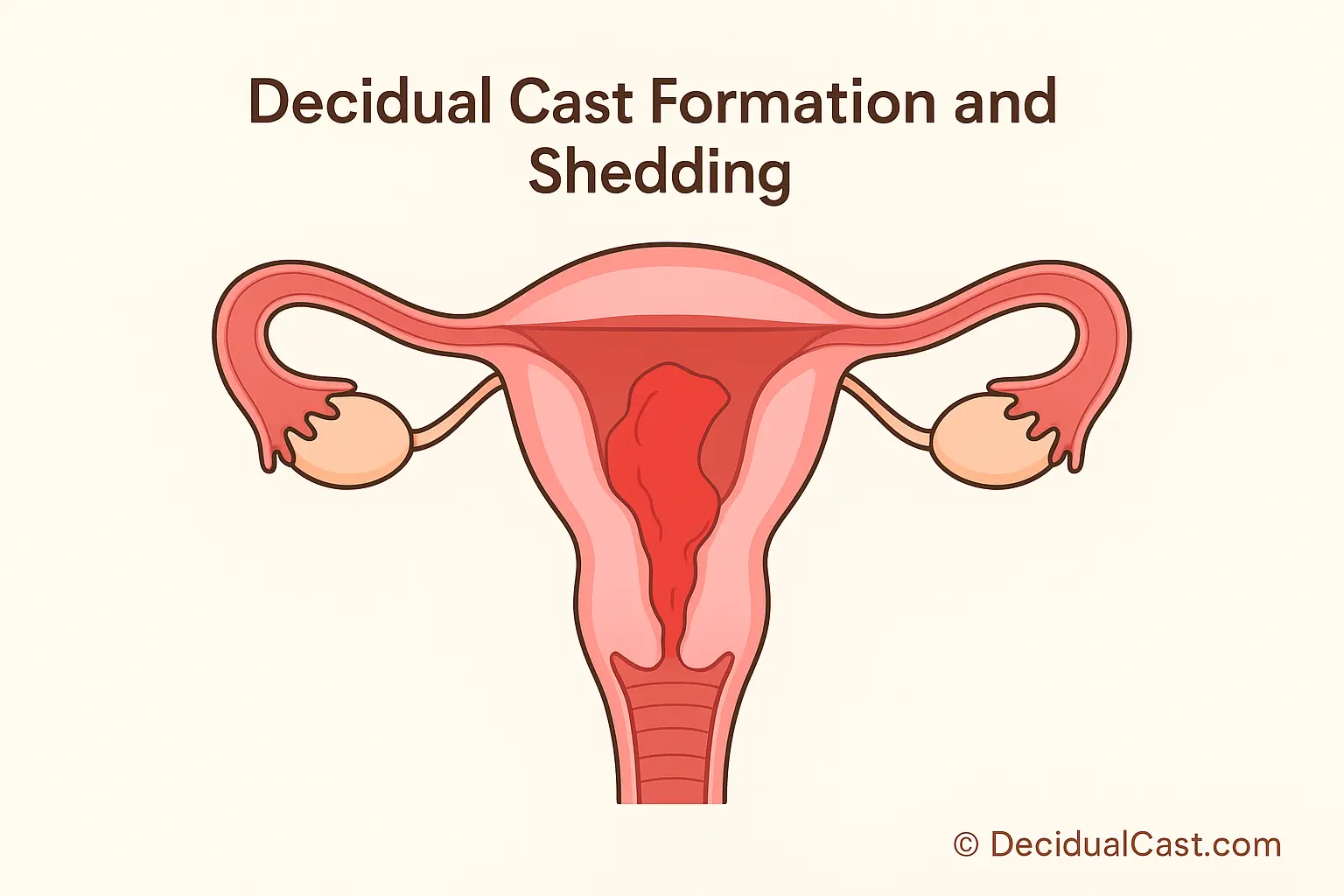
The female reproductive system can sometimes surprise us with rare and confusing conditions — one of them is the decidual cast. It happens when the uterus sheds its entire lining in one solid piece, shaped like the uterus itself. This can be extremely painful and understandably alarming. But is it dangerous?
- A decidual cast is rare but usually not life-threatening.
- Potential risks include infection, heavy bleeding, and severe pain.
- With proper care, hydration, and medical checkup, recovery is typically smooth.
- Knowing when to seek a doctor can prevent serious complications.
Is It Life-Threatening?
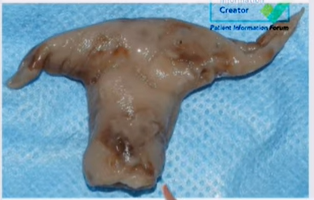
Passing a decidual cast is rarely life-threatening. In most cases, the uterus expels the tissue without further complications. The main symptoms are intense cramping, vaginal bleeding, and passing of an intact piece of tissue that resembles the inner shape of the uterus.
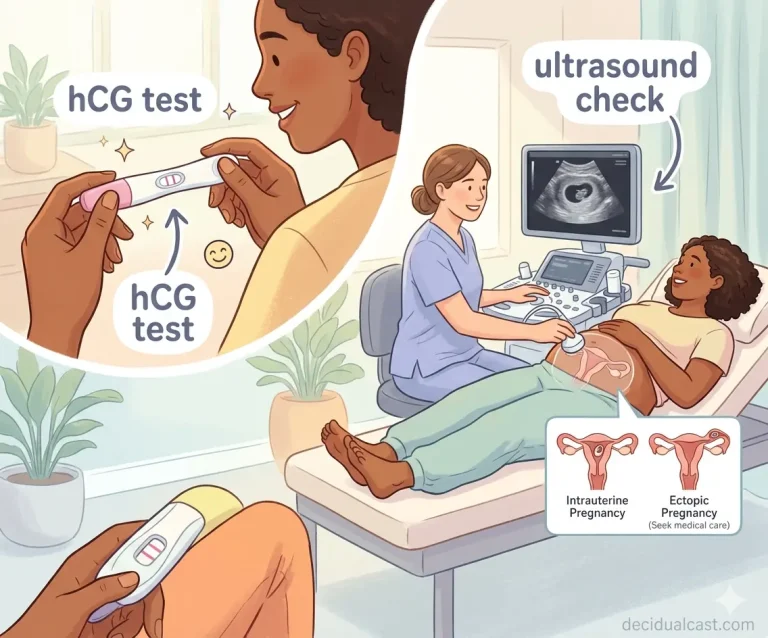
However, it’s important to recognize when the situation might need urgent care. A decidual cast can resemble tissue passed during a miscarriage or ectopic pregnancy. That’s why any person with the possibility of pregnancy should contact a healthcare provider immediately.
When It Can Be Serious
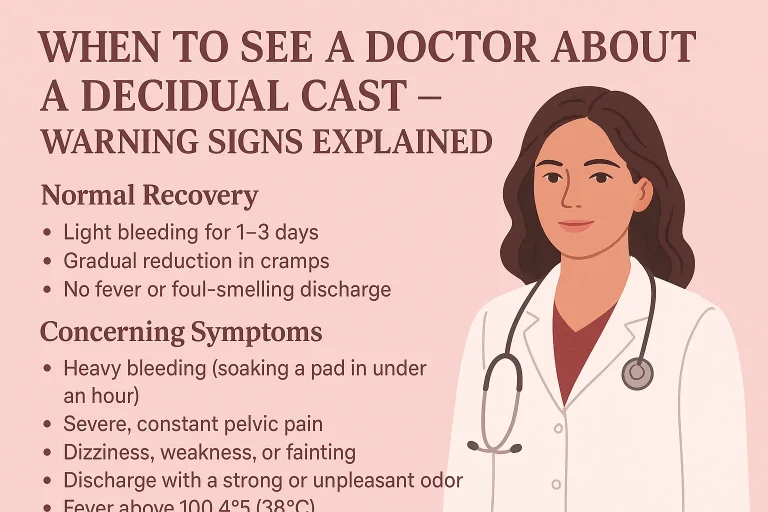
- Heavy bleeding: Soaking a pad every hour for more than two hours may indicate significant blood loss.
- Dizziness or fainting: Could signal low blood pressure or anemia.
- Positive pregnancy test: Needs urgent evaluation to rule out ectopic or incomplete miscarriage.
- Severe or worsening pain: Could mean infection or retained tissue.
While most people recover fully, ignoring heavy bleeding or signs of infection could turn a mild episode into an emergency. Prompt diagnosis makes all the difference.
Common Complications (Rare but Possible)
Although the majority of decidual cast cases resolve on their own, medical literature reports a few potential complications. Understanding these helps you monitor your recovery safely.
1. Severe Pain and Cramping
The passage of a large piece of uterine tissue can cause membranous dysmenorrhea — severe menstrual pain caused by uterine contractions. The pain may be sharp, stabbing, or radiate to the lower back and thighs.
2. Heavy Bleeding and Anemia
Heavy menstrual-like bleeding may accompany the passage of the tissue. In rare cases, it leads to iron-deficiency anemia. If you notice extreme fatigue, pale skin, or rapid heartbeat, seek medical evaluation.
3. Infection Risk (Endometritis or Infected Cast)
Infection is rare but serious. When parts of the tissue remain inside or bacteria enter the uterus, it can lead to endometritis — an infection of the uterine lining. Symptoms may include:
- Fever (over 100.4°F / 38°C)
- Foul-smelling vaginal discharge
- Worsening abdominal or pelvic pain
Prompt antibiotics usually resolve infection, but delay can result in sepsis or fertility complications. If any of these symptoms appear, see a gynecologist immediately.
4. Recurrent Decidual Cast Episodes
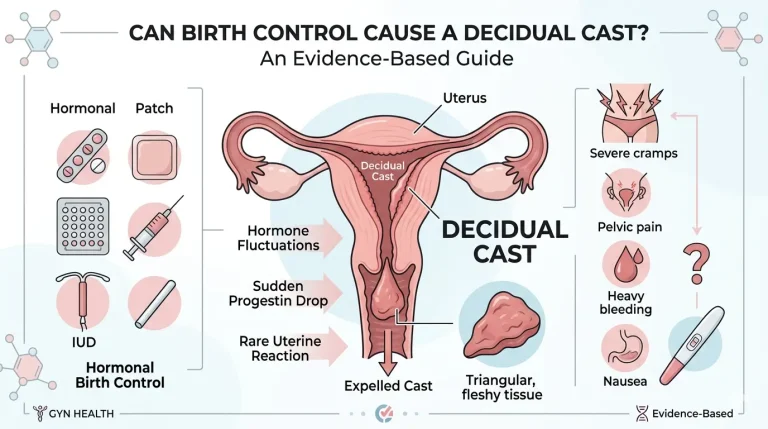
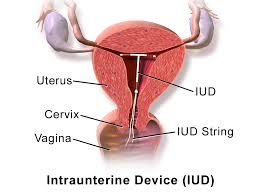
Some women experience recurrent decidual casts, often linked to hormonal contraceptive use (especially progesterone-based methods) or sudden hormone fluctuations. These cases warrant investigation into the cause and may require adjusting hormonal treatments.
How to Recover Safely
Once the tissue has passed and bleeding begins to subside, most individuals recover within a few days. However, proper aftercare can prevent complications and promote uterine healing.
Hydration, Rest, and Medical Checkup
- Hydrate: Drink water, herbal teas, or electrolyte-rich drinks to restore fluid balance.
- Rest: Allow your body to heal — avoid strenuous activities for at least 48–72 hours.
- Pain relief: Over-the-counter painkillers like ibuprofen can help reduce cramps and inflammation (take as directed).
- Heat therapy: Apply a warm compress or heating pad on your lower abdomen for comfort.
- Medical follow-up: A gynecologist may order an ultrasound to confirm that no tissue remains inside the uterus.
If possible, save the tissue sample and bring it to your appointment. Doctors can send it for histopathology to confirm a decidual cast and exclude other conditions such as a molar pregnancy or miscarriage tissue.
When to Seek Immediate Medical Attention
Call emergency services or visit the ER if you experience any of the following:
- Bleeding that soaks a pad in less than an hour
- Severe abdominal pain unrelieved by painkillers
- High fever or chills
- Fainting, dizziness, or signs of shock
Preventing Future Episodes
While not always preventable, understanding the causes can lower your risk of experiencing another decidual cast.
- Review birth control methods: If your decidual cast occurred after starting a progesterone-heavy contraceptive (like Depo-Provera), discuss alternatives with your doctor.
- Treat infections promptly: Ignoring pelvic infections can lead to inflammation and future shedding abnormalities.
- Maintain hormonal balance: Manage stress, diet, and sleep — all affect hormone regulation.
- Regular gynecological checkups: Annual pelvic exams can detect subtle uterine changes early.
If recurrence happens more than once, your doctor may recommend a hysteroscopy (a small camera to view the uterus) or hormonal testing to identify any underlying imbalance.
FAQs About Decidual Cast Risks
Does it affect fertility?
No — in most cases, a decidual cast does not harm fertility. Once the uterine lining heals, ovulation and menstrual cycles return to normal. Fertility problems only arise if an infection or other uterine damage occurs, which is rare.
Can it happen again?
It’s uncommon but possible. Repeated episodes may point to hormonal imbalance or contraceptive-related issues. Medical evaluation is advised if it happens more than once.
Should I change my birth control after a decidual cast?
Not automatically. Continue your current method until you discuss it with your doctor. If they suspect your contraceptive triggered the episode, they may suggest switching to a low-dose or non-hormonal option.
Recovery Checklist — What To Do Now
- ✅ Stay calm and rest your body
- ✅ Drink fluids and eat light, nourishing meals
- ✅ Use pain relief and heat for cramps
- ✅ Save the tissue for lab analysis (if possible)
- ✅ Schedule a gynecologist follow-up
- ⚠️ Seek urgent help if bleeding, fever, or fainting occurs
Related Articles
References & Medical Sources
- Decidualcast.com. What is Decidual Cast: Causes, Pain & Treatment.
- Medical News Today. Decidual Cast: What it is, causes, and risks.
- PubMed Central. Delayed miscarriage inside an infected decidual cast.
- Apollo Hospitals. Decidual Cast – Causes, Symptoms, Diagnosis, and Treatment.
- IJOGR Journal. Recurrent Membranous Dysmenorrhea: Clinical Discussion.